And what actually works, without destroying your skin barrier in the process.
Simpler routines, happier skin.
Barrier Basics
🌿 TikTok Is Pushing Adult Skincare Onto Teen Skin. Millions of teens are following influencer routines packed with retinoids, strong acids, and high-percentage vitamin C, ingredients designed for aging skin, not developing teenage skin barriers.
🌿 “Clean Beauty” Is Mostly a Marketing Term. The label clean skincare isn’t regulated. A product can be “clean” by ingredient standards but still be completely inappropriate for teen skin.
🌿 Over-Exfoliation and Actives Are Damaging Teen Skin. High-strength AHAs, BHAs, retinoids, and fragranced products are causing irritation, barrier damage, and unnecessary breakouts in teens who often didn’t need treatment products in the first place.
🌿 The Best Teen Skincare Routine Is Simple. Dermatologists consistently recommend a 3-step routine: 🧼 Gentle cleanser, 💧 Lightweight moisturizer, ☀️ Daily sun protection.
Simple, fragrance-free, and consistent care protects the skin barrier far better than complicated multi-step routines.
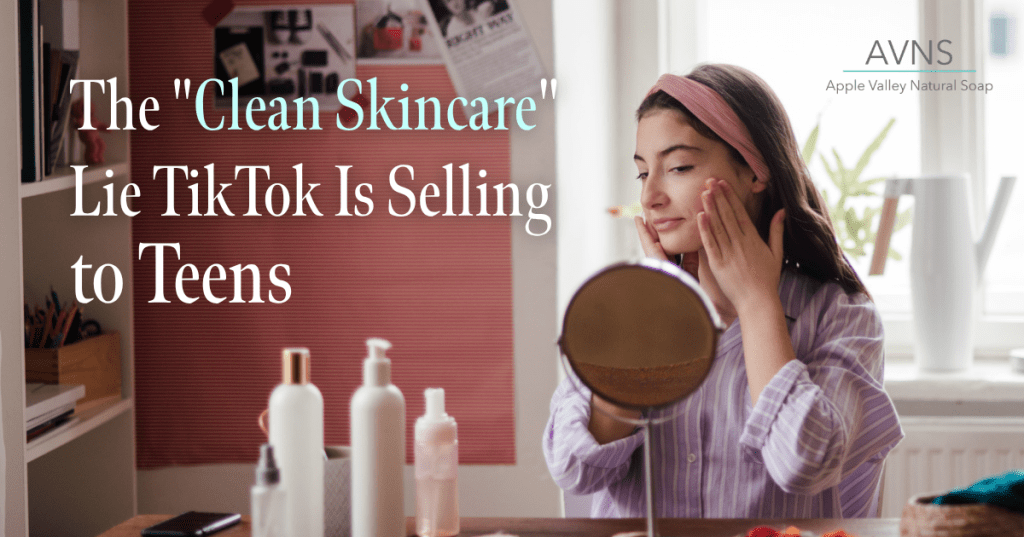
There’s a teenager somewhere right now, staring into a ring-lit mirror, applying her third serum of the morning. She’s fourteen. She found the routine on TikTok. It has 4.2 million likes.
She doesn’t have acne. She doesn’t have hyperpigmentation. She doesn’t have fine lines or sun damage or a disrupted skin barrier, yet. But she will. Because the “clean skincare” routine she’s faithfully following? It’s neither clean nor suitable for her skin.
This is the quiet crisis happening in bathroom cabinets across the country. And it’s being driven by an algorithm that profits from confusion.
The TikTok Skincare Pipeline, How It Works

The formula is simple and devastatingly effective. A creator posts a “what I use for glass skin” video. Products get name-dropped. Comments flood in asking for links. An Amazon storefront or LTK page goes up. Affiliate commissions roll in.
The creator doesn’t need credentials. They don’t need to understand what retinol does to a developing skin barrier, or why niacinamide layered over vitamin C can cause skin purging in teens who didn’t need either ingredient in the first place. They just need good lighting and a convincing before-and-after.
The result? A generation of teens running 8, 10, even 12-step routines packed with actives designed for adults dealing with decades of sun exposure and collagen loss. Products built for 40-year-old skin. On 13-year-old faces.
“Clean skincare” on TikTok rarely means what it says. More often, it means aesthetically pleasing. Pastel packaging. Satisfying textures. Influencer-approved.
What “Clean Beauty” Actually Means, And What It Doesn’t
The term “clean beauty” has no regulated definition. None. The FDA doesn’t require brands to prove a product is “clean” before putting that word on the label. Any brand can call anything clean.
In the skincare world, clean is generally understood to mean free from ingredients considered potentially harmful, parabens, sulfates, synthetic fragrances, phthalates, formaldehyde-releasing preservatives. That’s a reasonable starting point. But it’s not the whole story.
Here’s what “clean” doesn’t tell you: whether a product is appropriate for your age, your skin type, or your actual skin concerns. A retinol serum can be completely “clean” by ingredient standards and still be entirely wrong for a 16-year-old with healthy skin.
Clean skincare for teens isn’t about chasing a trending ingredient list. It’s about using the fewest, gentlest products possible, and understanding why.
The Ingredients Teens Are Using That They Shouldn’t Be
Let’s get specific. These are the actives showing up in teen routines at an alarming rate.
Retinoids (Retinol, Tretinoin, Retinal)
Vitamin A derivatives are among the most effective anti-aging ingredients in dermatology. They work by accelerating cell turnover and boosting collagen production. They are genuinely powerful.
They’re also designed for adults. Teen skin naturally turns over at a faster rate already, it doesn’t need acceleration. Retinoids in teen skin can cause chronic irritation, peeling, increased UV sensitivity, and paradoxically, more breakouts during the adjustment period. Dermatologists generally don’t recommend retinoids for teens without a specific clinical reason.
High-Percentage AHAs and BHAs (Glycolic Acid, Salicylic Acid)
Chemical exfoliants have a place in skincare, but concentration matters enormously. A 0.5% salicylic acid in a gentle cleanser for acne-prone skin? Potentially useful. A 10% glycolic acid toning pad used twice daily by a 15-year-old with normal skin? That’s a barrier disruption waiting to happen.
Over-exfoliation strips the skin’s natural acid mantle, impairs its ability to retain moisture, and creates chronic redness and sensitivity. Ironically, it often triggers more oil production as the skin tries to compensate, leading teens to exfoliate more, worsening the cycle.
Vitamin C Serums at High Concentrations
L-ascorbic acid serums formulated at 15 to 20% are potent antioxidants aimed at reversing UV damage that accumulates over years. Most teens don’t have that damage. They also don’t have the skin tolerance built up to handle these concentrations without irritation, especially when layered under the acids and retinoids they’re also using.
Fragrance, Even “Natural” Fragrance
This one is underrated in the clean beauty conversation. Synthetic fragrance is widely flagged. Natural fragrance, derived from essential oils, botanical extracts, citrus, gets far less scrutiny. But natural fragrance contains allergenic compounds that are just as capable of triggering contact dermatitis and sensitization as their synthetic counterparts.
“Fragrance-free” is one of the most genuinely protective label claims for sensitive and young skin. It rarely trends on TikTok.
The teenager with the most enviable skin usually isn’t doing the most. She’s doing the least, consistently.
What Teen Skin Actually Needs
This is the part that doesn’t get clicks. It’s not exciting. There’s no satisfying unboxing. But it’s what every board-certified dermatologist will tell you when the cameras are off.
Step 1: A Gentle, Fragrance-Free Cleanser
Twice a day, morning and night. For most teens, a simple non-foaming gel or cream cleanser is enough. Acne-prone? A gentle formula with skin-supporting actives can help without stripping.
What to avoid: anything that leaves skin feeling tight or squeaky clean. That sensation means you’ve stripped your natural oils. That’s not cleanliness, that’s damage.
A note on pH and natural soap. You may have seen advice to only use a “pH balanced” cleanser, the idea being that a lower-pH product is gentler on the skin’s acid mantle. Here’s the nuance that often gets lost in that conversation: every time you wash your face, even with plain water, you temporarily alter the acid mantle. The skin is resilient and rebalances quickly on its own. More importantly, achieving a truly pH-balanced natural soap requires the use of synthetic additives. Additives that can carry their own risks (certain preservatives used to lower soap pH score high on allergy and immunotoxicity concerns). The better question isn’t just “what’s the pH?” but “what’s actually in it, and what is it doing for my skin?”
Apple Valley Natural Soap’s bars are made from nourishing plant-based oils that bring real nutrients, fatty acids, and skin-supportive compounds to each wash. They’re superfatted and cured for 6 to 8 weeks to keep the pH as low as naturally possible while still functioning as real soap. What they offer isn’t a synthetic pH fix, it’s something more meaningful, cleansing that leaves behind benefit instead of stripping it away.
Where Apple Valley Natural Soap gets it right. AVNS offers several handcrafted face and body bars that fit exactly what’s recommended for teen skin, short, readable ingredient lists, plant-based oils that cleanse without stripping, and formulas built around actual skin concerns rather than trending aesthetics.
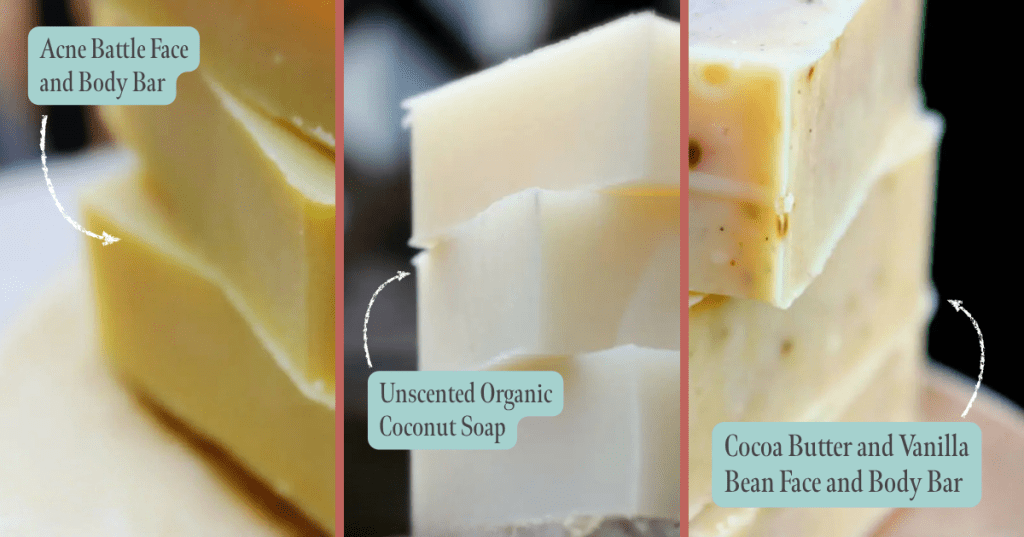
Unscented Coconut Bar. For teens with sensitive or normal skin who genuinely just need a gentle, no-frills cleanse, this 100% organic coconut oil bar is as clean as it gets. No fragrance, no extras. Just effective, gentle cleansing.
Calendula Castile Bar (Unscented). Made with 100% organic virgin olive oil, this deeply moisturizing bar is a standout for teens with dry or reactive skin. Olive oil’s fatty acid profile closely mirrors the skin’s natural lipids, making it one of the least disruptive cleansers available.
Cucumber Lime Face and Body Bar. For teens with oily or combination skin, this bar features cucumber peel extract (a natural skin toner that helps tighten pores) and spirulina, a natural antimicrobial that can help address the underlying causes of acne-prone skin. The scent is light and natural, not the heavy essential oil fragrance that can trigger sensitization.
Acne Battle Bar. For teens dealing with actual breakouts, this bar earns its name without reaching for harsh synthetic ingredients. It uses organic neem oil (a clinically respected antibacterial), bentonite clay to draw out impurities, colloidal oatmeal to gently exfoliate without stripping, and jojoba and grapeseed oils that won’t clog pores. This is the kind of targeted natural formula that makes sense: it addresses a real concern with appropriate, gentle ingredients.
Charcoal Detox Bar. Activated charcoal is one of the few “active” ingredients broadly supported for teen skin. It works by adsorbing excess oil and impurities from the pore without the chemical disruption of AHAs or strong surfactants. This bar is particularly well-suited for teens in the oily or acne-prone category.
Step 2: A Lightweight, Non-Comedogenic Moisturizer
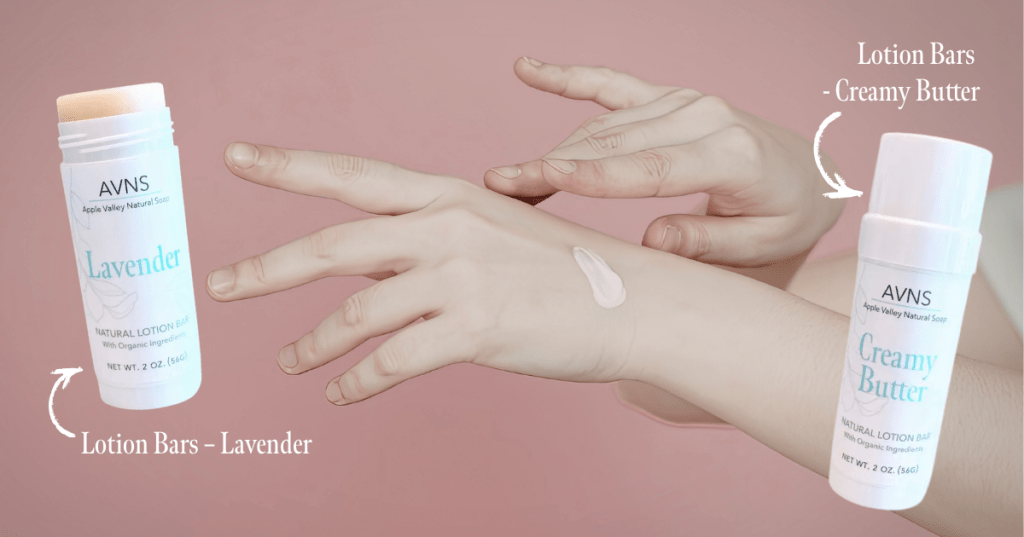
Hydration is not optional, even for oily or acne-prone skin. In fact, skipping moisturizer when you have oily skin usually makes oiliness worse. The skin overproduces sebum to compensate for lost moisture.
For teens, a lightweight moisturizer with non-pore-clogging ingredients is ideal. Light. Non-greasy. No synthetic fragrance.
AVNS pick: Naturally Clear Face Lotion
This lotion was formulated with teenagers and young adults specifically in mind, and it shows in the ingredient choices. Organic jojoba oil mimics the skin’s own sebum to help balance oil production rather than add to it. Organic hemp seed oil moisturizes without clogging pores. Alcohol-free witch hazel tightens and reduces inflammation without drying. The formula also includes white willow bark extract, a naturally derived ingredient that supports skin barrier function and cellular renewal, the kind of gentle, functional active that makes sense for young skin.
It pairs directly with the AVNS cleansing bars above (the brand recommends using it after the Acne Battle Bar, Charcoal Detox, Cucumber Lime, or Honey Carrot Tangerine bars), creating a genuinely simple, two-product routine that addresses real teen skin concerns without the 12-step drama.
One real customer summed it up well, both her 16-year-old daughter and 17-year-old acne-prone son use it daily with results their peers notice. That’s the bar, and it’s a low one in the best possible way.
Optional add-on: Calming Toner
For teens with inflamed, irritated, or acne-prone skin who want an extra step without reaching for chemical exfoliants, AVNS’s Calming Toner uses organic neroli hydrosol, papaya and mango fruit extracts, and radish root ferment to gently support the skin. The neroli hydrosol is naturally antibacterial and anti-inflammatory. It’s a meaningful step, not a filler.
Step 3: Sun Protection, The Thoughtful Natural Approach
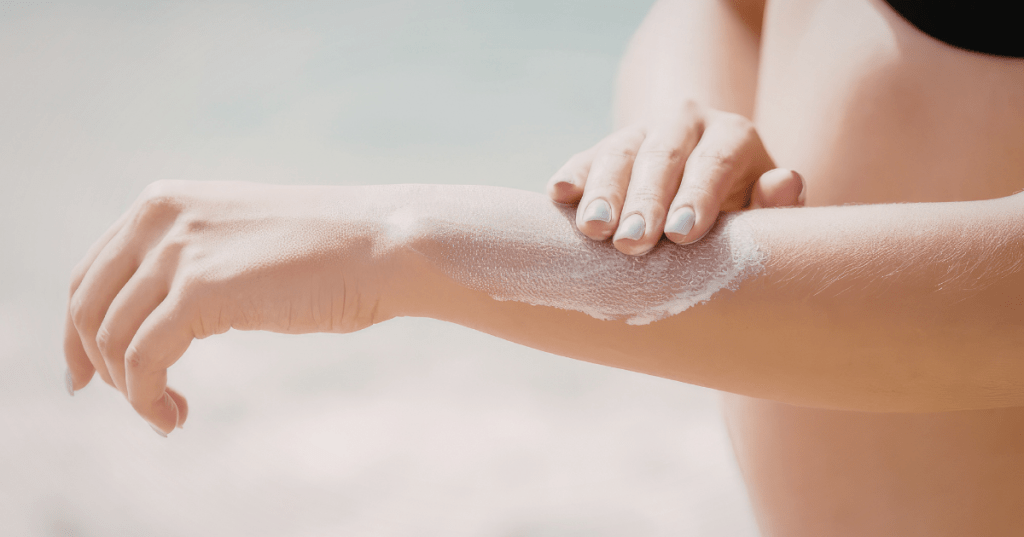
Sun protection absolutely matters. UV exposure accumulates from childhood and is a leading driver of long-term skin damage. That part is not up for debate. But how you protect skin is where the natural skincare world and conventional dermatology sometimes part ways, and for good reason.
Most mainstream sunscreens are loaded with synthetic chemical filters. For teens already trying to simplify their routines and keep ingredients clean, layering a chemical-heavy SPF product on top of natural skincare defeats the purpose.
Here’s the more balanced approach. The sun itself is not the enemy. Moderate, intentional sun exposure outside of peak UV hours (before 10 a.m. and after 4 p.m.) is genuinely beneficial for the skin and for vitamin D production. This kind of sun exposure, done without burning, allows the skin to build its own natural resilience over time rather than relying on a chemical barrier.
When additional sun protection is needed, during extended outdoor time, at the beach, or in high-UV conditions, the cleanest and safest option is a mineral sunscreen using zinc oxide as its primary active ingredient. Zinc oxide is a naturally derived mineral that sits on top of the skin and physically deflects UV rays rather than absorbing into the skin like chemical filters. As long as the rest of the formula uses clean, simple ingredients, a zinc oxide–based sunblock is a skin-friendly choice that fits within a natural skincare philosophy.
What to look for on the label: zinc oxide listed as the active, a short and readable inactive ingredient list, no synthetic fragrance, and ideally no chemical UV filters like oxybenzone or avobenzone.
A simple two-step routine done consistently will always outperform a twelve-step routine done wrong.
The Organic and Natural Soap Angle, What to Look For
For teens interested in natural skincare, which is a genuinely good instinct, organic and plant-based cleansers and bars can be excellent options. The key is knowing what makes a natural cleanser actually suitable for young skin, versus what’s natural marketing dressed up as skincare science.
Good signs in a natural cleanser
- Fragrance-free or scented only with very low levels of non-sensitizing botanicals
- A short, readable ingredient list
- Moisturizing base oils like jojoba, sunflower, olive, or coconut rather than stripping surfactants
- Formulated to retain nourishing free oils (superfatting) that leave skin feeling soft, not stripped
Red flags:
- Heavy essential oil fragrance (lavender, citrus, peppermint, all common sensitizers in high amounts)
- Synthetic chemical additives used to manipulate pH, which may carry their own allergy and irritation risks
- Exfoliating particles or harsh actives combined with sensitizing extracts
Apple Valley Natural Soap threads this needle particularly well. The brand’s philosophy, less is more, simple ingredients, readable labels, handcrafted in small batches, aligns closely with what genuinely caring for young skin looks like. Their bars use moisturizing base oils like organic coconut, olive, jojoba, and sunflower. They’re superfatted and cured for 6 to 8 weeks, bringing every bar as close to its natural best as the process allows. The Unscented Coconut and Calendula Castile bars, in particular, are as close to “boring” as a natural bar soap gets. And boring, in teen skincare, is exactly what you want.
Why This Matters Beyond Skin Health
There’s a psychological dimension to this trend that doesn’t get discussed enough. The skincare influencer pipeline is selling teens the idea that their skin, normal, healthy, teen skin, is a problem to be solved. Pores to be minimized. Texture to be erased.
Teen skin has texture. It has visible pores. It sometimes breaks out, because sebum production is genuinely elevated during puberty and that’s completely normal physiology. None of this requires a $300 monthly routine.
Skin anxiety is rising among adolescents. Dermatologists report seeing younger patients than ever before, many with self-inflicted barrier damage from over-treating skin conditions they didn’t actually have. Some develop what researchers call “skincare dysmorphia”, a distorted perception of their skin driven by filtered images and algorithmic content loops.
Clean skincare for teens isn’t just about the right ingredients. It’s about teaching young people that their skin doesn’t need to be fixed, it needs to be supported.
The Practical Filter, Which Products Are Actually Worth Buying?
If you’re shopping for yourself or a teen in your life, apply this filter to every product.
✅ Is it fragrance-free, or very lightly scented? If not, you’re taking an unnecessary risk with sensitization, especially for younger skin.
✅ Is the active ingredient concentration appropriate? Higher is not better. For teens, lower concentrations of any active are generally safer and often just as effective.
✅ Does it address an actual concern? Not an imagined one. Not a concern manufactured by a TikTok video.
✅ Is the ingredient list readable? Fewer ingredients, each with a clear function, is almost always better. AVNS bars pass this test easily.
✅ Are you being thoughtful about sun exposure? Prioritize sensible outdoor habits, and when additional protection is needed, choose a clean mineral option, zinc oxide as the active, short ingredient list, no chemical filters.
The Essence
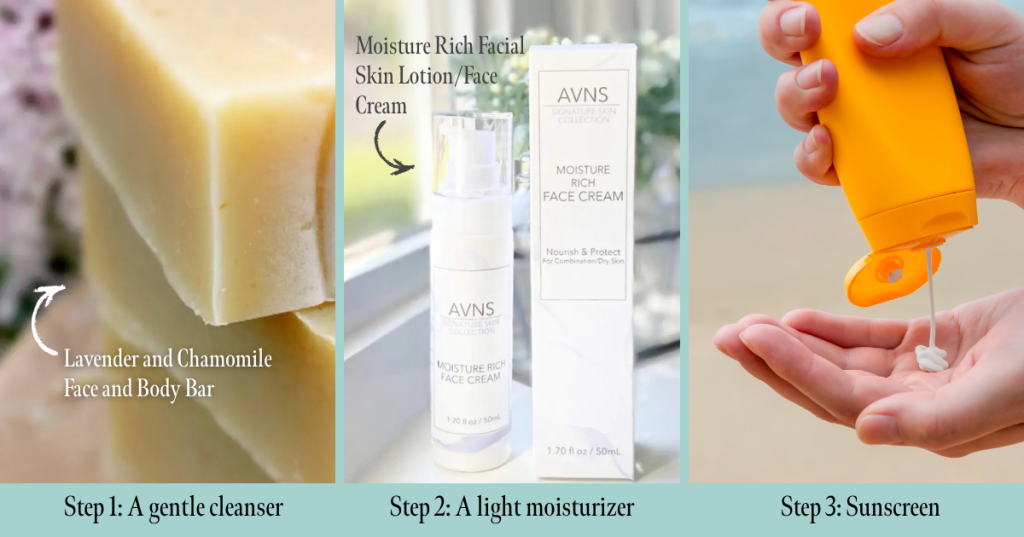
The cleanest skincare routine for a teenager is the simplest one. A gentle cleanser. A light moisturizer. Thoughtful sun habits. That’s the foundation that skin science supports, and that TikTok will never make a viral video about.
Apple Valley Natural Soap’s line fits naturally into this framework, not because it’s trendy, but because it’s thoughtfully made. Handcrafted in small batches, built on nourishing plant-based oils, with readable ingredient lists and formulas matched to real skin concerns.
Simple. Gentle. Consistent.
That’s the routine worth following. And it’s the one that actually respects the skin teens already have, instead of treating healthy skin like a problem.
The best skincare routine for teens isn’t the one with the most steps. It’s the one that supports the skin they already have.
Related Reading
For more information about nourishing your skin from head to toe using gentle, natural approaches, dive deeper into these related articles:


Pingback: Your Dry, Flaky Scalp Isn’t a Shampoo Problem. It’s a Chemistry Problem. Here’s the Natural Fix. | APPLE VALLEY NATURAL SOAP BLOG
Pingback: Celebrate Mom | She Gave Everything. Give Her Something Pure. | APPLE VALLEY NATURAL SOAP BLOG