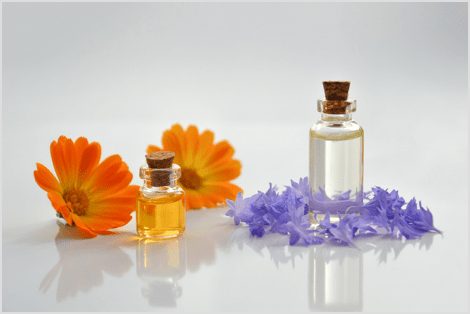
Image by Mareefe from Pixabay
Guest post by Megan Allen
Creating homemade essential oil blends can be a satisfying and aromatic experience. Not only can you customize scents to suit your preferences, but you can also tailor blends for specific benefits, from relaxation to energy boosts. This guide will walk you through the essentials of blending and the tools needed. In addition, provide recipes using popular oils and blends.
Essential Oil Basics
Concentrated extracts from plants, which are known for their aromatic and therapeutic properties, are called essential oils. They capture the essence of fragrance and beneficial compounds, derived from different parts of plants like leaves, flowers, and roots.
Common uses of essential oils include aromatherapy, where you inhale them for their calming or invigorating effects, and topical applications, where they alleviate skin conditions, pain, and inflammation. Additionally, essential oils can enhance mood, improve sleep, and support overall well-being, making them a versatile addition to daily routines.
Essential oils come in two main types: single oils and blends.
Single essential oils are pure extracts from specific plants, capturing their distinct fragrance and therapeutic properties.

Popular examples include Lavender, renowned for its calming and sleep-enhancing effects, and Peppermint, known for its refreshing aroma and ability to relieve headaches and improve focus. Eucalyptus is frequently used for respiratory support, while Tea Tree oil is a powerful antiseptic and antifungal agent.
Blended essential oils combine multiple single oils to create synergistic effects that enhance their individual benefits. For instance, combining Lavender and Peppermint can offer relaxation and mental clarity, making such blends versatile for various applications.

When choosing the essential oils mix, it’s important to consider which carrier oil to use in the blend. Carrier oils, such as coconut, jojoba, and almond oil, dilute essential oils before topical application. Dilution is necessary because essential oils are highly concentrated and can cause skin irritation if applied directly. These carrier oils also help with the absorption into the skin, ensuring efficient delivery of therapeutic properties.
Tools and Materials Needed
To create your essential oil blends at home, you will need the following tools and materials:
Necessary Tools
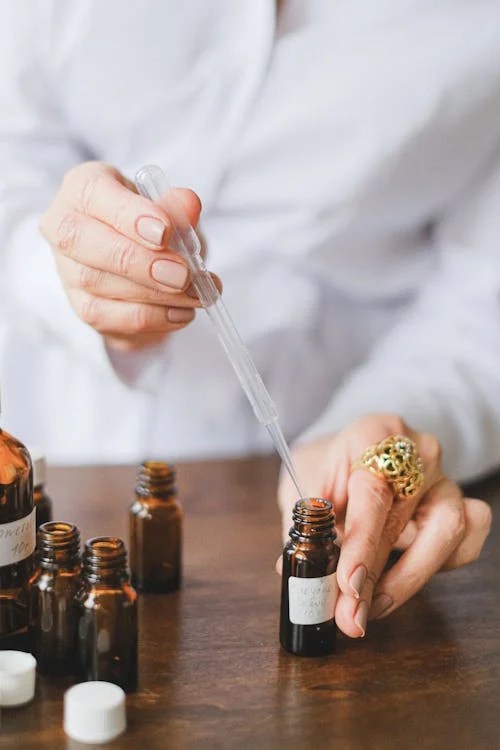
- Droppers: For precise measurement
- Dark Glass Bottles: Protect oils from light and extend their shelf life.
- Mixing Bowls or Beakers: For the blending process
- Measuring Spoons: To ensure accurate ratios
Ingredients
- Essential Oils: A variety of single essential oils for different purposes (e.g., Lavender, Peppermint, Eucalyptus)
- Carrier Oils: Some examples are coconut oil, jojoba oil, and almond oil.
Optional Tools
Besides the basic tools previously mentioned, there are additional accessories that can improve your experience of blending essential oils. For instance, a Nugsmasher can assist in extracting essential oils by applying heat and pressure when you don’t have pre-extracted oils. This tool introduces a new aspect to blending oils at home. You can get yours at Green Thumb Depot if you want to extract oils this way.
Other optional tools include the following:
- Aromatherapy Diffusers: Disperse your blends into the air.
- Roller Bottles: Make application easy and convenient.
- Labels: To mark and identify your blends.
- Funnels: For transferring oils into bottles without spills.
- Pipettes: To add small amounts of oils precisely.
Steps to Creating Your Blends
Step 1: Decide on Your Purpose
Identify the purpose of your essential oil blend by considering what you want to achieve, such as relaxation, an energy boost, improved focus, mood enhancement, or respiratory support.
For relaxation, select oils like Lavender and Chamomile, which promote calmness. Invigorating oils like Peppermint and Lemon are suitable if your goal is an energy boost. Defining your goal will guide you in selecting the best oils to create a personalized blend.
Step 2: Determine the Ratios
Understand basic blending ratios, focusing on top, middle, and base notes. Top notes, like Lemon or Peppermint, are light and evaporate quickly, providing an initial burst of scent. Middle notes, such as Lavender or Eucalyptus, are more balanced and last longer, forming the core of your blend.
Base notes, like Sandalwood or Patchouli, are heavy and linger, grounding the blend. The commonly used ratio is three parts for the top note, five parts for the middle note, and two parts for the base note. Adjust these ratios to balance the overall scent and effectiveness.
Step 3: Mix the Oils
Combine the measured oils in a clean mixing bowl or beaker, ensuring you mix them thoroughly by stirring gently. This step is crucial to achieve a well-balanced blend where all the different oils harmonize effectively.
Step 4: Test Your Blend
Evaluate your blend by performing a scent test and a skin test. For the scent test, apply a drop of the blend to a blotter or cotton ball and smell it at intervals—immediately, after 30 minutes, and after an hour—to understand how the scent evolves.
For the skin test, dilute a small amount of the blend in a carrier oil and apply it to a small patch of your skin to check for any adverse reactions. Following these tests, adjust the blend as necessary by modifying the quantities of specific oils.
Step 5: Store Your Blend
Ensure your blend retains its potency by transferring it into dark glass bottles, which protect the oils from light. Label each bottle clearly with the name of the new blend and its creation date. Store the bottles in a cool, dark place away from heat and direct sunlight, which can degrade the oils over time.
Popular Blends You Can Consider
Lavender Bliss Blend
This blend combines the soothing scents of lavender, sweet orange, and cedarwood. It can help create a relaxing atmosphere, reduce stress, and promote restful sleep. The floral and woody notes work harmoniously to calm the mind and body, making it ideal for use in diffusers, bedtime routines, or as a calming massage oil.
Citrus Fresh Blend
A vibrant mix of lemon, grapefruit, and lime essential oils, this blend is designed to uplift and energize. The refreshing citrus aroma is perfect for boosting mood and revitalizing your space. In order to create a fresh, clean scent, use it in a diffuser or add a small amount to your cleaning solutions.
Peppermint Eucalyptus Blend
This blend is great for clearing nasal passages and improving concentration, combining the benefits of peppermint, eucalyptus, and rosemary. It is ideal for use during the cold season or when you need a mental boost. Apply it in a steam inhalation or use it in a diffuser to breathe easier and think clearer.
Calming Harmony Blend
This blend features bergamot, ylang-ylang, and patchouli, creating a balanced and tranquil atmosphere. It is perfect for reducing anxiety and promoting relaxation. The sweet, floral, and earthy notes make it suitable for meditation or unwinding after a long day. Use it in a diffuser or as a soothing body oil.
A powerful combination of tea tree, lemon, clove, and eucalyptus, this blend is designed to boost immunity and fight off colds. Its antiseptic properties make it ideal for disinfecting and purifying the air. Use it in a diffuser during flu season, or add it to your homemade cleaning solutions for an extra germ-fighting boost.
Conclusion
Creating your essential oil blends at home is simple and enjoyable. With a wide range of essential oils available, such as Lavender, Peppermint, Eucalyptus, and more, you can craft blends tailored to your specific needs, whether for relaxation, energy, or immune support.
The process involves understanding scent profiles, experimenting with combinations, and making adjustments based on your preferences. Making your blends ensures natural, suitable solutions for various wellness goals.
Thanks for reading!

 Each strand of hair has a cuticle which is made up of layers of protein, called keratin, scales cover the cuticle by overlapping each other. Healthy hair has scales that lie flat. Some commercial shampoos not only strip hair of its natural oils, but also injure the cuticle by tearing up the overlapping scales. Natural shampoo bars will not strip the hair of its natural oils, nor damage the cuticle and scales. You can read more about the benefits of our natural shampoo bars


 APPLE VALLEY NATURAL SOAP BLOG