Beauty and Health Benefits of Salt for Your Skin

I challenge you to a friendly contest.

Get a pencil and set your timer for thirty seconds.

Now, on the countdown of three start your timer and write down all the uses of salt that you can think of!

Okay?

Three.

Two.

One.

Go!

Time’s up!

Hopefully you were able to think of a few things. I’ll share my list at the bottom and you can see how yours compares to mine. However, before you scroll down there to competitively evaluate who came up with more answers…I think both of us deserve a freebie (like the Free Space in BINGO) for all of our hard work.

Free Space: Salt Soap Bars

Why put salt in soap?

I know you’re probably wondering if salt is used to flavor soap like it’s used to flavor food (and let me tell you, some of the AVNS soaps do look good enough to eat!). However, that’s not the reason salt bars exist.

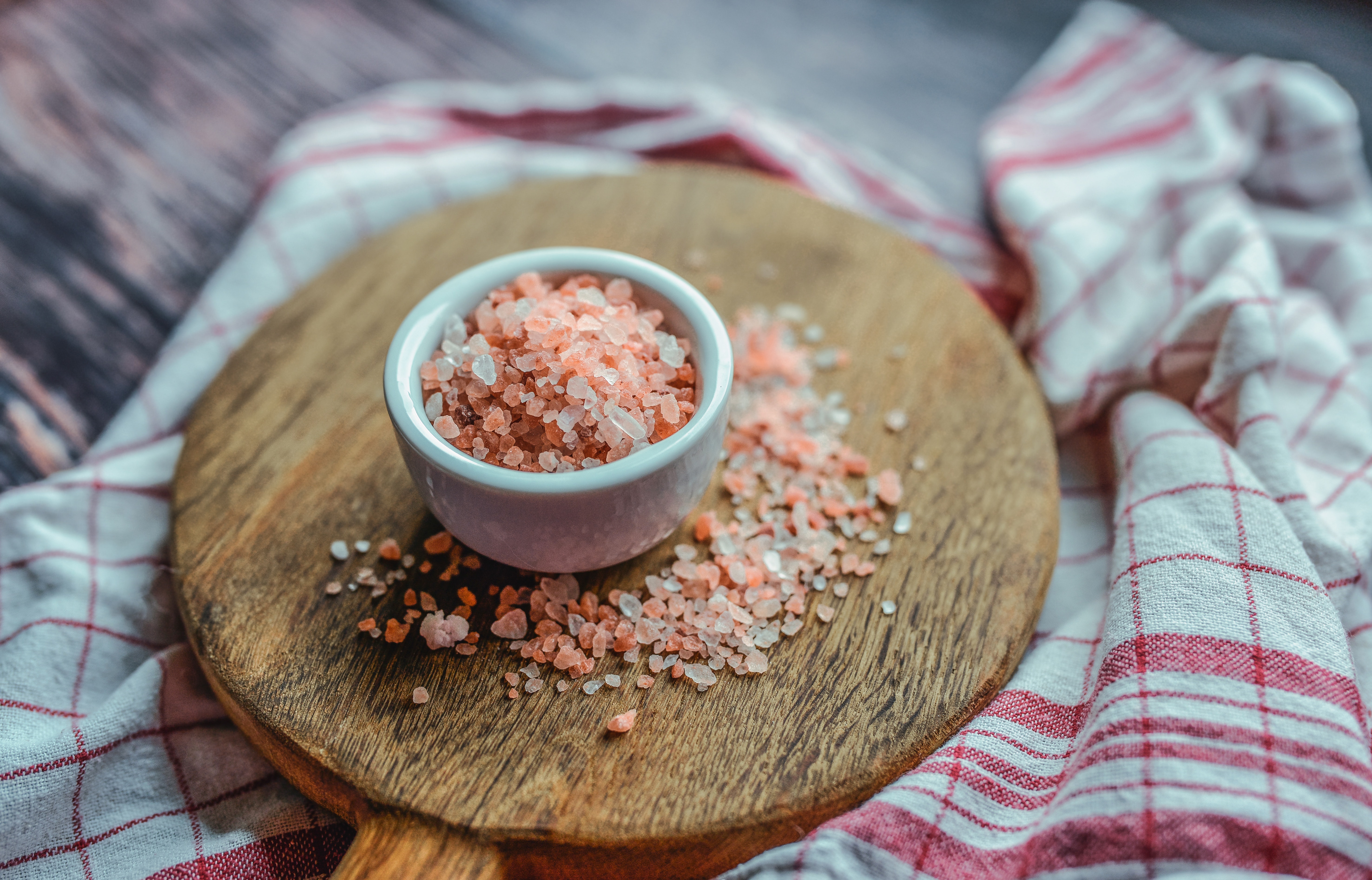
The salt in salt bars simultaneously serves as an exfoliant and a natural antibacterial agent. When the larger grains come into contact with your skin they remove the dead skin cells that have accumulated and allow clogged pores to breathe. 

While the AVNS Lime Spa Salt Bar is a great way to prepare for a flawless shave, our Pink Himalayan Salt Bar provides the perfect grit for combating calloused hands and feet. When new skin is exposed, the salt also cleanses it from bacteria (and if you’re ready to relive your high school biology days hang in there and I’ll explain how).

Salt as a natural antibacterial agent

The salt creates a hypertonic solution (meaning it will attract water through osmosis). Because bacteria is mostly composed of water — just like the human body — when it comes into contact with salt, the salt will leech water from the bacteria, leaving it to shrivel and die. 

I took this photo off the quaint coast of the Cinque Terre in Italy during my study abroad trip to Europe this past fall, where are your favorite oceanside travel destinations?

Keeping harmful bacteria off of your skin is important, but many artificial chemicals used in antibacterial soaps have been banned because they were not shown to have any health benefits and in some cases there has been evidence suggesting some chemicals may have dangerous effects

Antibacterial hand sanitizers often contain alcohol that strips the skin of bacteria, but because it is such a harsh substance it makes your skin dry. Salt bars are a natural solution that will fight bacteria, but will also replenish your skin and body with much needed minerals. The European Spa Salt used by Apple Valley Natural Soap is solar evaporated and comes from the pristine waters of the Mediterranean sea.

Apple Valley Natural Soap’s stunning salt bars

AVNS has a striking lineup of beautiful salt bars, I’m actually going to leave a link right here so you can just go look at all of them side by side because the gentle color palate and rich texture of the salt is soooooo aesthetically pleasing. It’s like looking at artisanal blocks of artist’s chalk…except instead of drawing on the sidewalk you get to lather your body! The dove grey Orange Anise Salt Bar is hands(washing)down the most gorgeous bar of soap I’ve ever seen and Marianne recommends pairing it with a white or black soap placemat as a modern finishing touch (just beware that this stylish touch could make people mistake your bathroom for a high-end art gallery!). The best part is — these bars aren’t just for looks! You won’t even need to scratch your head in wonder when I tell you that the glowing white Lavender Rosemary Salt Bar doesn’t just look great on a placemat, it also acts as a Shampoo Bar that relieves itchy scalps.

I guess I ended up with more than one freebie because we’ve now covered salt as: an antibacterial, an exfoliant, and a source of skin-nourishing minerals…but hey, one salt bar will cover all those things, so I guess it’s three freebies in one!

Without further ado: Nora’s 30 second Salt List

  1. Melts snow on roads and sidewalks
  2. Himalayan Salt Rock Lamp
  3. Salt Blocks for horses
  4. Flavors food
  5. Repels leeches
  6. Helps your hair curl?

Everything You Need to Know About Castile Soap

How is my love for acting related to Castile soap?

When I play a character in a show, I not only get to fill their shoes, I also trace their footsteps. 

Here I am with my fellow actor Dah in our production of I Hate Hamlet. I absolutely loved my costumes for this show…I felt like a princess!

Because of this, I’ve travelled through a number of character paths that have taken me around the world: I’ve stolen a Commedia dell’arte romp through the winding canals of Venice, floated through the dreamscape of Charles Dickens’s London, explored the historical and haunted flats that make up the New York City skyline, and washed a peasant’s laundry in (and I think you’ll see where I’m going here) Castile, Spain.

Castile? Wait, isn’t that a type of soap?

You guessed it!

The history of soap

Early soaps were made from combining animal fats and plant oils with salt or ash. This primitive soap was used for cleaning cooking utensils and medicinal purposes rather than for beauty and personal hygiene. As soap making became more refined it also became more expensive because it required both technique and coveted family recipes. Prices only dropped after production became more mainstream when chemicals were introduced to simplify the process.

What is Castile Soap?

Castile soap has been around for quite some time, but unlike the first soaps ever made it does not contain animal fat or ashes. However, a traditional Castile soap is also free from modern chemicals used in most mass-produced soaps.

So if it doesn’t have chemicals or animal byproduct, what exactly is it made of?

Olive oil.

And I’m sure you already guessed where those olives were grown.

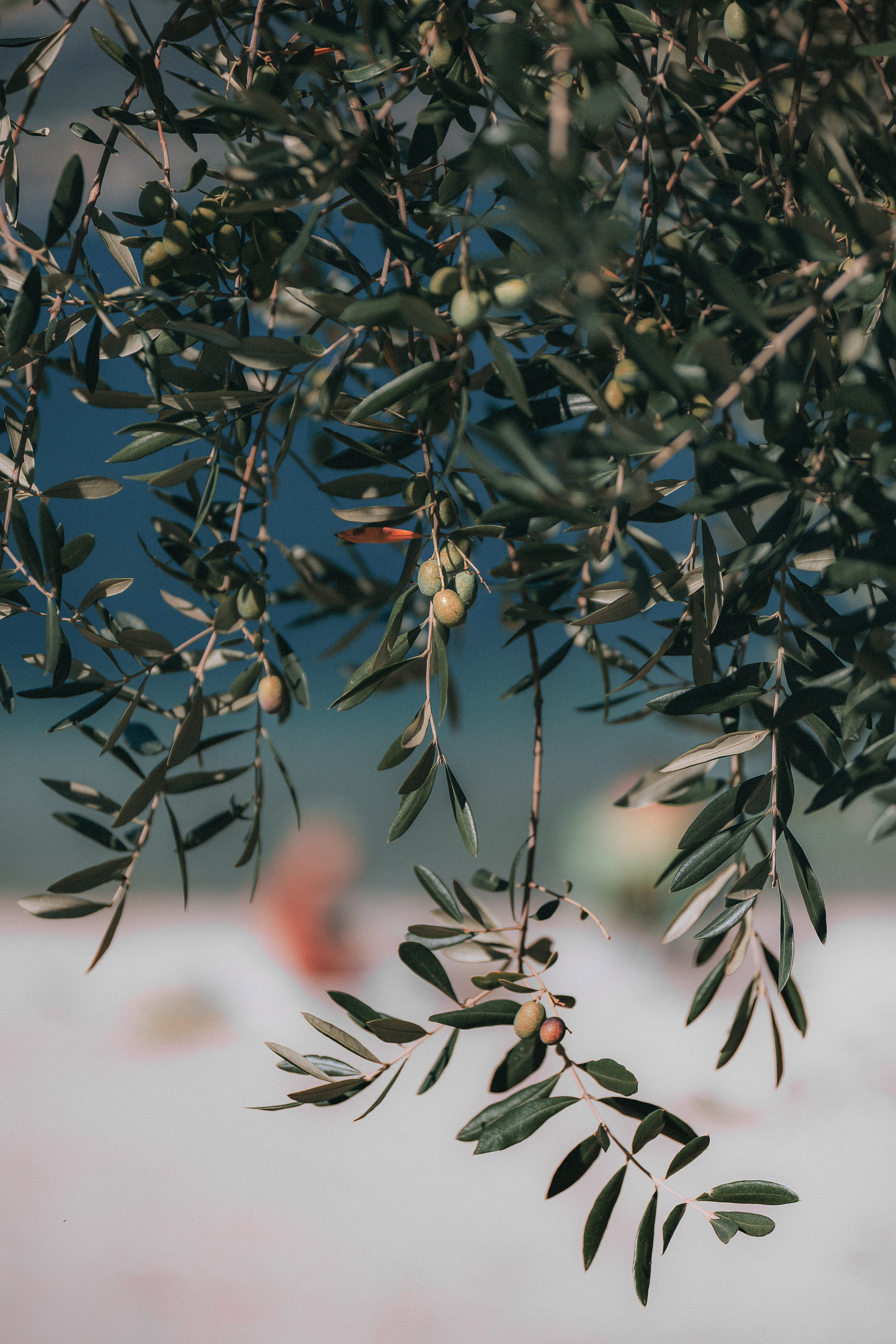
Spain exports the world’s majority of olive oil and the production of olive oil in Spain can be traced back about 3,000 years. Although Castile soap got its name from a specific region in Spain, Castile soap can be made with olive oil from anywhere…which has its disadvantages.

The benefits of olive oil in Castile soap

Because Castile soap is generally defined as soap made with olive oil, many companies can get away with using small quantities of low grade olive oil while still labeling the soap as “Castile Soap” This soap will not have the same benefits as a soap composed of high quality olive oil.

Now, the advantage of using olive oil from outside of Castile is that it allows us to pick from the best. In keeping with the origins of the first Castile soaps, our organic virgin olive oil is sourced mainly from the Mediterranean region. Our true Castile soaps provide a gentle cleanse and act as a nourishing moisturizer. Our virgin olive oil is chemical free and retains its vitamin content, the reason behind olive oil’s health benefits (especially vitamin E). Vitamin E protects skin from the damage of free radicals and can help alleviate symptoms of eczema.

We choose to go organic with our virgin olive oil and many of our other products to promote the protection of the earth and water from harmful pesticides and we want our Castile soap to do the same for your skin. Our Calendula Castile Bar is the perfect soothing solution for sensitive skin (babies would highly recommend it…if they could talk). Our Lavender Castile Bar will create a calming, creamy lather…perfect for shaving! I know I’ve got the Lavender Orange Castile Bar on my wish-list and I’ve got an audition for Antigone tomorrow so I’m ready to get into character (Greece likes its olive oil too!)

Wish me Luck!

Nora


How Embracing My Natural Textured Hair Changed My Life

Hi, I’m Eleanor (but you can call me Nora)!

As the newest member of Apple Valley Natural Soap, I’ll be writing informative and (hopefully) entertaining blogs inspired by AVNS’s products and the ingredients that go into making them. I could not be more thrilled about joining this fantastic, curl-friendly company!

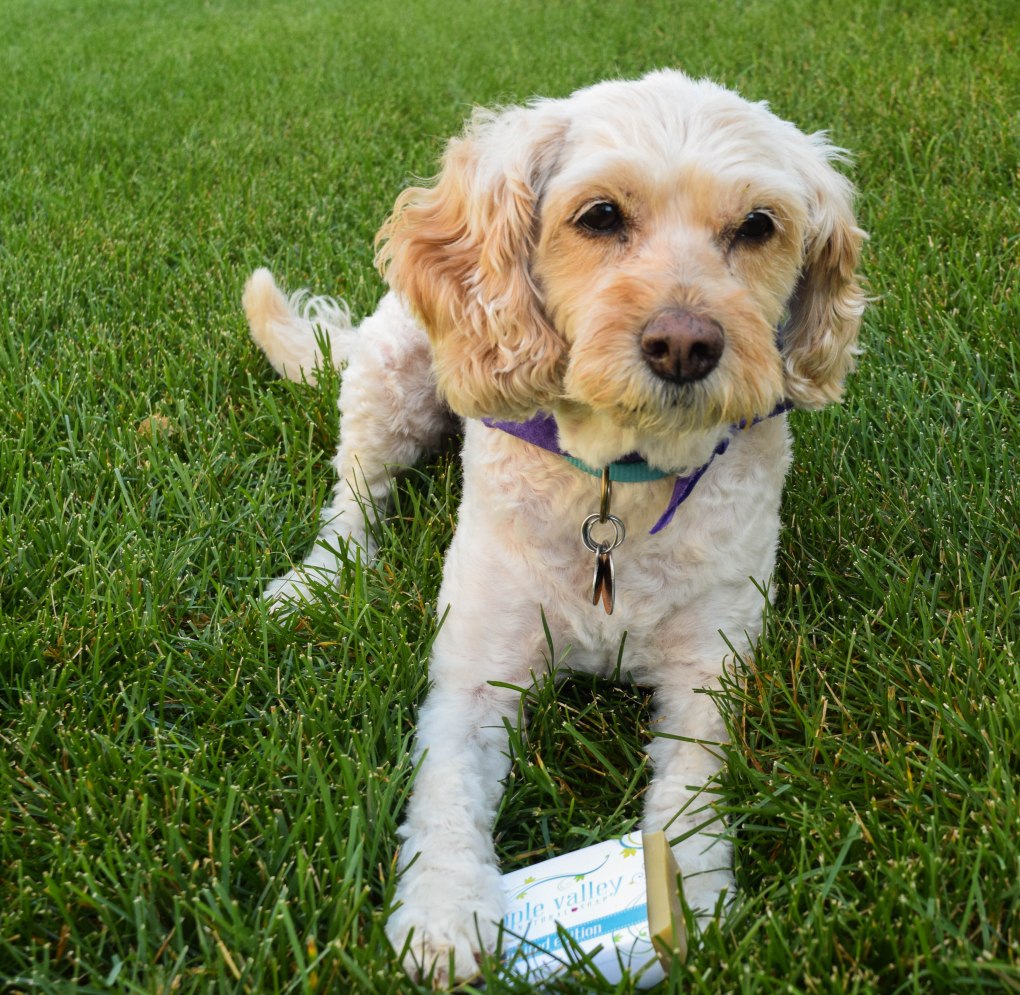
I’ve been ruminating on a proper introduction and while I could go on for hours about my adorable dog, my passion for improv, and my international expeditions…I thought I’d share the aspect of my life that drew me to AVNS in the first place: my hair. However, in order to share my hair care journey, I’m going to have to come clean about something…

I Thought My Hair was Just Frizzy

I’m going to be honest,

I haven’t always taken care of my hair.

My hair was stick straight until sixth grade. Then it got frizzy. From seventh to tenth grade I blow-dried, straightened, and curled my hair with heat every day before school.

That’s right. For four years I woke up at five-thirty am every single morning so I could devote an extra hour to frying my hair.

Sometimes I’d have to straighten my hair and
use a curling iron to keep my hair from frizzing up again.

I did the math.

There are about 165 school days in a year, so one hour per day is 165 hours a year. Multiply that by four and your total is 660 hours. Divide that by 24 hours and that’s 27.5 days. That’s almost an entire non-leap-year February.

A month. A month-long, hair-frying marathon.

I find this horrifying, but not surprising. You see, I didn’t know any better and there was no one to tell me otherwise. I was stuck with a head full of poodle frizz and every hair commercial I saw just enforced my belief that you were either born with beautiful hair or could fix it with heat if you weren’t. Because of this, I did not feel comfortable or confident with my own hair.

Straightening My Hair Hurt My Self-Esteem

Now, I want to make it clear that there is a difference between doing something because you want to and doing something because you think you have to. There is also a difference between touching up your hair a bit every once in a while and changing it every day because you are ashamed of leaving the house otherwise.

How your hair looks my not seem like a big deal, but when you feel forced to alter something about your appearance in order to conform to society’s standards you risk sending another, more damaging message to yourself that says, “the way you are is unacceptable.”

I’m going to tell you something right now: that message is a huge, unacceptable lie.

Thankfully, nature gave me a huge dose of reality…or should I say, douse?

How I found out my hair was curly

In eleventh grade my family went on vacation in Mexico and because of the weight limits on luggage I was also forced to take a vacation from my blow-dryer and curler. After a day spent playing in the ocean all that salt gave my hair the boost it needed to prove to me that it could do more than frizz.

I guess nature has a habit of bringing out the best in us.

At first I thought maybe the curly hair thing was a fluke. For a few weeks I dipped my hair in a bowl filled with table salt and water to get the same results as I had from the ocean (Yes, I looked ridiculous doing this) but eventually I did some research. I bought curly hair products, styled my hair when it was wet, and left the heat tools in my drawer.

I included this goofy picture of me circa 2017 so you could see what damaged curly hair looks like. See how the top of my hair is curly and the bottom looks kind of straw-like? It took two years of hair cuts and no heat to fix the damage I’d caused to my hair.

My Hair’s Journey from Straight to Curly

My hair’s transformation did not occur overnight: the years of straightening had damaged my natural curl pattern beyond repair. Weaning myself off of heat tools also took several years because I was so used to relying on them, but it was worth it.

My decision to embrace my natural hair means I get to feel ten times better about myself without making any adjustments.

How My Curly Hair Led Me to Apple Valley Natural Soap

AVNS wants you to look great, but more importantly we want you to go through life feeling great. 

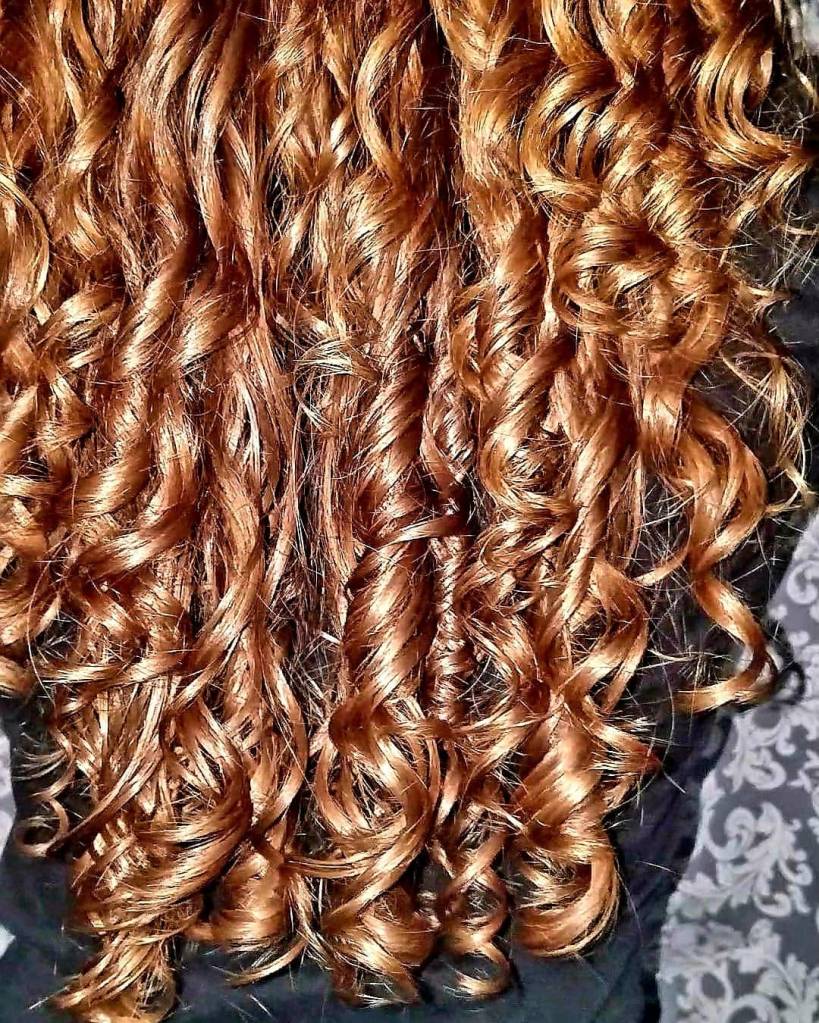
This is how my natural hair looks when I style it without heat. No curlers, just the perfect hair routine.

As a curly girl with defiant curls, I care about what goes into my hair products. Cheap brands of shampoo and conditioner may advertise products for curly hair, but if you take the time to pull out your magnifying glass and scan the ingredient list hidden on the back of your shampoo bottle, it will reveal silicones and sulfates (agents notorious for parching and dulling curls over time). Honesty in the health and beauty industry is so important, we want safe products with long term benefits and as consumers we want to invest in a company we can trust without constantly having to run DIY background checks on what we are using in our hair and on our bodies.  

AVNS proudly displays our ingredient list right under every product description, and why wouldn’t we? From straight to spiral and everything in between, we’ve got shampoo bars that will nourish your silky strands. And that, my friend, is the honest truth.

Psst. Starting out on your curl journey and looking for something to help tame that frizz? Try the Lavender Silk or Jojoba Silk bar!


Knitting a New Year

Well, New Year’s Eve has come and gone. We’ve turned over those new leaves (whatever that means) and now we’re trying to decipher what the underside has in store for us. Some of us only take a peek before we quickly flip those leaves back over and pretend we never had any of those ambitious resolutions in the first place. Others are launching into new diets and exercise routines with a vigor that will most likely burn out within a month. If you’re like me, coming up with resolutions is a blast, but the follow-through proves to be a difficult task. Which is why I turned this year’s resolutions into resolu-fun!

The trick? Start small and have fun. Mini-resolutions, if you please. These mini-resolutions come in neat packages and promise instant gratification while hinting at a future opportunity for a change in lifestyle (if you so choose to accept your mission).

What in the world is she talking about? You ask, as you scan your list of resolutions to see if any of them seem mini, or at least small enough to fit in your mailbox.

Knitting. I’m talking about knitting.

yarn

I started knitting two days ago and not only am I already 1/16th of the way done with my first lumpy, puke-colored, spiderweb of a scarf, I have also (if I so choose to accept my mission) opened a crochet-covered door to a more self-sufficient lifestyle. Although currently a knitting novice, I optimistically imagine that someday I will become a professional. Every blanket in my house will be knit by me, every potholder in my kitchen will be a labor of my love, every gift I give will reek of the sweat I worked up as I frantically power-knit it the night before.

Of course, I’m not saying knitting is the be-all end-all for everyone. Raising one tomato plant could turn into a garden, playing a new card game could become a family tradition, buying one bar of Apple Valley Natural Soap could be the start of a more environmentally friendly and naturally healthy life.

Resolutions don’t have to be huge or life-altering, what matters most is embracing the promise of a new year.

With that being said, I understand that turning over into a new year also means facing the unexpected. We like resolutions because they give us a sense of control over our destinies. But the truth is, the New Year may bring on hardships that we’d rather not deal with. If you find yourself secretly dreading this upcoming year, don’t panic, you’re not alone.

My sweet Nana passed away unexpectedly at the end of October after a slow and tiring battle with a rapidly progressing form of dementia and my family is now faced with the unbearable process of moving forward. We find ourselves on the cusp of a new year forced to deal with something we didn’t anticipate. There is nothing neat or packable about death and there is nothing simple about moving forward.

monarch

Mentally, it seems unnatural. During difficult times, grief seems to occupy every moment and keeps us frozen in place, like leaves trembling upon a branch in the midst of a bitter winter. We define moving forward as an active process that requires “picking yourself up and dusting yourself off.” I would argue that this is not true. From what I have experienced these past couple months — in a spiritual sense — moving forward happens naturally.

Moving forward is a subtle process and for my family it involves crying. We cry over Nana’s music box collection, we cry over mushroom soup that will never taste quite right without her, we cry over butterflies and rainbows and dolphins and everything else beautiful that reminds us of the beautiful being she was. At first I mistook the crying for grief, but I’ve come to understand that the crying is actually a sign of moving forward. Every tear we share together is a step, a moment to thaw the grief. Moving forward doesn’t mean letting go, it means mending, knitting, and healing.

opened-glass-window-1906795

At first glance, this post doesn’t have much to do with soap. But Apple Valley Natural Soap’s mission is to help others embrace the blessings of natural ingredients through their products and it was reflecting on this idea that inspired me to consider the natural blessings of life. From the ability to knit, to the grace evident in the process of moving forward, God always provides an open window (and maybe crocheted curtains).


Always Cruelty-Free

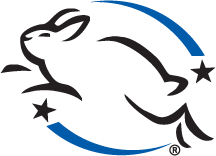
Imagine yourself in a grocery store on a Sunday afternoon, strolling down the cosmetic aisle with an iced coffee in your hand. Glancing over to the second shelf, there sits a dazzling bottle of sunscreen with your favorite scent, coconut honey, calling your name. While bolting to reach for the last bottle, the curly letters “cruelty-free” pop out from the label, and next to it a logo of a cute bunny. But then the question pops in your mind, “how does someone really know if it is cruelty-free?”

It may not be 100% cruelty-free? What? Yes, I know, believe it or not, most cosmetic companies are not all cruelty-free. That sweet little bottle of coconut honey sunscreen could quite possibly mean that the product itself was not tested on animals, but the beginning stages of creating the luscious scent or ingredients involved animal testing. So herein lies the problem; companies create their own bunny logos without any regulation on properly defining what it means to be “cruelty-free.” This logo could mean something completely different from company to company and how you and I may define it. That said, how can we be confident in deciding whether or not any product is 100% cruelty-free?

Thank goodness this problem was taken notice from national animal protection groups from around the world. These groups were determined to invent a universal standard for companies to follow to become cruelty-free and a logo that is internationally recognizable. And that is what they did. Eight national animal protection groups created the Coalition for Consumer Information on Cosmetics (CCIC) and the Leaping Bunny Program was born. This program does not allow harm to fall upon animals during the development of cosmetic products, ingredients, and/or formulas; establishing a way for us to be confident in knowing that our furry friends are protected through this certifying program.

Now when you look at your coconut honey sunscreen bottle, you see that it is certified by the Leaping Bunny Program, and you can sigh in relief in knowing that our furry friends are safe.

Apple Valley Natural Soap believes in the mission to protect our furry friends and treating them fairly. We are proud to say we are certified Cruelty-Free through the Leaping Bunny Program alongside 1,400 other cosmetic companies. We all put in the effort and extra work to follow the standards to have quality products without putting animals in danger. Since there are no laws in the United States that prevent cosmetic testing on animals, we want to take a stance against the traditional ways of testing to make our world safer.

As stated by the Leaping Bunny Program, “60% of consumers are more likely to buy a product that has not been tested on animals.” That said, if it’s important to our customers, then it is important to us. So, when buying Apply Valley Natural Soap you can rest in knowing that when using our products it’s not just natural and handmade, but also always cruelty-free.


Product Ingredients. How do we choose what we use? What are the benefits?

Have you ever wondered how we choose the ingredients for our products? It’s kept you up at night hasn’t it!?! Well, in this blog we’re going to start by listing our ingredients, specifically the carrier/base oils, as well as our butters, and their benefits.

When formulating the recipe for a new soap or other product, we look at all the benefits of the individual ingredients as well as our end goal. What are we trying to do with this particular recipe? Heal, nourish, rejuvenate, revitalize, all of the above? Then we move ahead with bringing it all together, the carrier oils and butters, the essential oils and herbal extracts, they all help us reach that goal. It can be a lengthy process, but it’s so worth it in the end when a product is completed that meets an important criteria, a natural product that is needed. Many times we are not even aware of the need until the product has been released. Helping customers, making them happy, bringing joy. It blesses us when this happens.

Apricot Kernel Oil is rich in fatty acids along with vitamins A, C, E & K. Because of these properties, it is great for nourishing and strengthening hair follicles from the roots, plus increasing skin hydration and reducing dryness. This oil leaves hair soft and shiny, while stimulating hair growth.

Almond Oil (Sweet) not only softens rough or dry skin, but it also creates a protective layer on the skin. It also helps reduce inflammation and is a remedy for skin/scalp issues such as dandruff, acne, psoriasis, and eczema.

Argan oil, is rich in vitamin E, carotenes, antioxidants and essential fatty acids. It helps repair skin imperfections and restore texture, elasticity and tone. Argan oil is great moisturizer, and because of it’s high levels of Vitamin E and antioxidants, it is also used to fight both dandruff and dry scalp. This oil is often referred to as “liquid gold”.

Avocado Oil contains sterolins, which are natural steroids. These natural steroids may be effective in boosting collagen production and in treating age spots. Also, with its high level of vitamin E, avocado oil may reduce itching and inflammation, while softening rough and cracked skin. It helps rejuvenate and moisturize the scalp, deep condition hair, leaving it looking lustrous and full of life. Also, because it’s a rich source of proteins, amino acids and vitamins, avocado oil helps promote the growth of healthier hair.

Babassu oil can reduce the symptoms of a variety of scalp irritations, due to the anti-microbial and anti-inflammatory properties. It is also filled with antioxidants which help to restore lost elasticity and strength to hair and moisturizes the scalp. If is the perfect oil for treating damaged and brittle hair.

Castor Oil is one of the best things you can do for promoting hair growth and controlling hair loss. It can give you thicker and even longer hair as it contains ricinoleic acid and omega-6 essential fatty acids that improve blood circulation to the scalp, encouraging hair growth. Castor oil also has natural antibacterial, antifungal properties which makes it a great addition to any soap!

Cocoa Butter (Unrefined) gives hair increased manageability and moisture. It can help prevent hair loss due to breakage or an inherently fine texture. and can also help alleviate scalp itching and irritation. Cocoa Butter works to soothe dry, sensitive skin while reducing and preventing the appearance of scars and unwanted marks. It is believed to have photo-protective properties that protect against harmful UV radiation. Used in hair, Cocoa Butter moisturizes strands to make them more manageable. While repairing damage, it replenishes naturally-occurring oils, adds volume and shine, boosts strength and resilience, increases thickness, and reduces frizz. Medicinally, Cocoa Butter works as an anti-inflammatory moisturizer that offers relief to skin afflicted with swelling, irritation, and redness.

Coconut oil contains 2 chemicals that are known to have a broad spectrum of anti-microbial activity against virus, bacterial, and fungal infections, they are lauric acid and capric acid. Coconut oil also contains high levels of Vitamin K and E which are powerful antioxidants to help prevent skin damage. It is wonderful for dry, itchy and sensitive skin, can stimulate hair growth by getting deep into its follicles, promote scalp health by fighting against such problems as insect bites, lice and dandruff. It also moisturizes dry hair, adds luster, shine and softness to hair while preventing breakage and split ends.

Flaxseed oil is composed mainly of omega-3 fatty acids, a nutrient that is known for providing a multitude of health benefits. The Lignans in flax are healing, and decrease inflammation which will also promote healing of skin conditions such as eczema, psoriasis, dry skin, and acne, which aids with scalp health, and hair growth. Omega-3 fatty acids are also known for increasing the speed at which skin wounds heal.

Grapeseed oil contains antioxidants and anti-inflammatory properties. The linoleum acid and Vitamin E help build tissue and promote hair and skin growth. If your hair is brittle or weak, treating it with grape seed oil can help to restore its strength and shine. This oil is full of emollients and nutrients that can help nurture the growth of healthy skin cells, treating dandruff and other dermatological conditions caused by a dry, flaky scalp. 

Jojoba oil, so similar to human sebum, can help balance oil production. It’s easily absorbed, won’t clog pores, and leaves the skin feeling soft and supple. Jojoba is particularly good for dry, damaged hair, hair with split ends and is prone to tangling and damage. 

Mango butter protects skin from sun damage and is very versatile with range of wonderful qualities. It has the ability to hydrate skin for long period of times, lightening of age and sun damage spots, tightening skin and healing eczema, rashes, irritations and generally, brining back a healthy tone to skin.

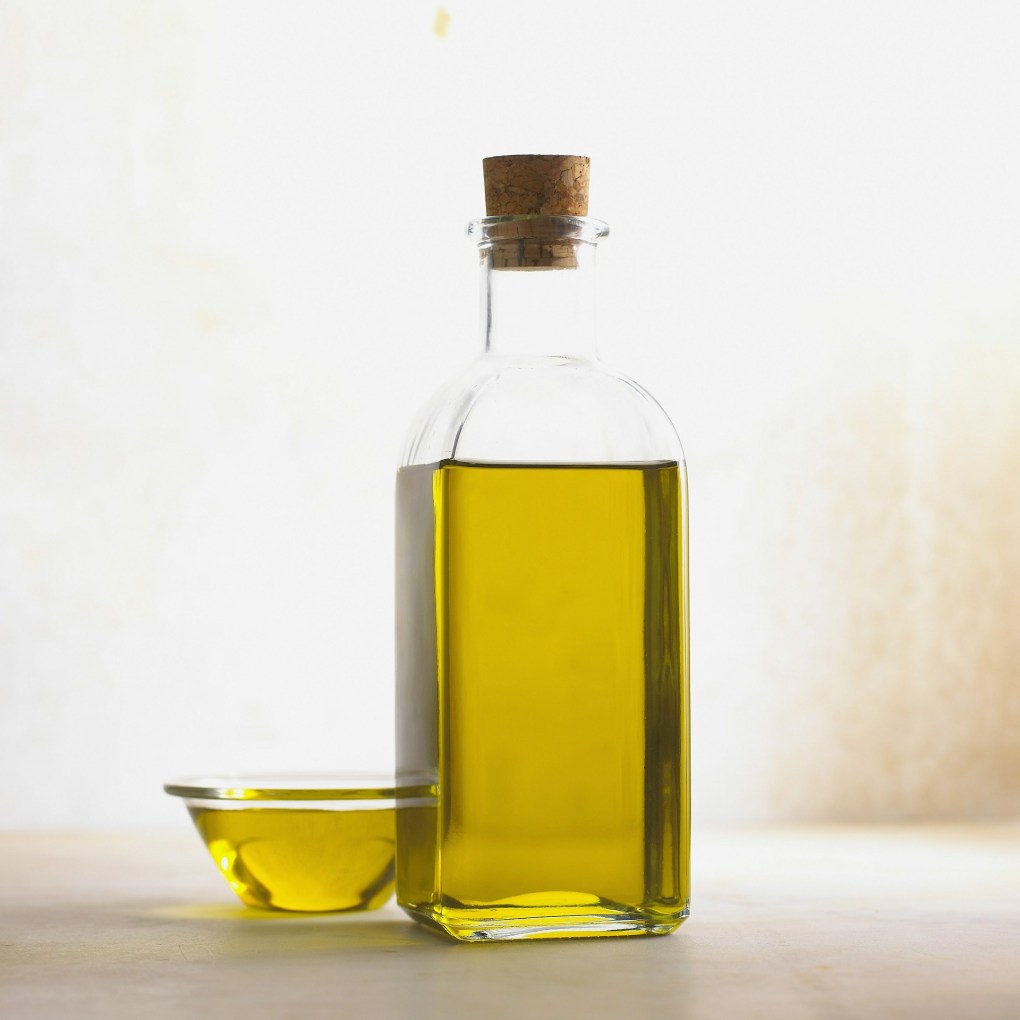
Olive Oil is high in oleic acid, a good skin cell regenerator and attracts external moisture to the skin. The fatty acids that olive oil is made up of will also coat the shaft of your hair, helping to keep it healthy and protected.

Palm Oil contains the hard to find toctrienols, which are members of the vitamin E family. Vitamin E is a strong antioxidant that helps the skin to fight free radicals that damage the skin and cause fine lines and wrinkles. Palm oil contains lipids and saturated fats that feed the hair shaft, eliminating dryness. It helps remove oil and dirt from hair and skin and contains a refatting agent that helps restore natural oils to hair and skin.

Palm Butter has great antioxidant power. Along with a high content vitamin E, there is a large amount of Tocotrienols which do an even better job of preventing oxidization. Palm butter is a wonderful healing moisturizer for the skin.

Neem Oil has a host of benefits, it’s natural ingredients make neem oil a potent antifungal, antipyretic, antibacterial and anti-inflammatory. Neem oils beneficial fatty acids moisturize and nourish the scalp and hair, leaving it with a healthy shine. It restores moisture and repairs damaged hair. It moisturizes the scalp, kills harmful microbes, and reduces itching and flakes naturally. When used on a regular basis, neem oil regulates the oil secretion in the scalp for a healthier scalp and strong hair. Healthy hair grows stronger and thicker. It also strengthens the hair roots and revitalizes damaged hair.

Sesame Seed Oil is infused with antibacterial, anti-inflammatory and healing properties which help in curing several skin conditions like psoriasis and eczema. This oil contains the powerful antioxidant, vitamin E, which helps in preventing free radical damage. The essential fatty acids found in Sesame Seed Oil make this oil a great moisturizer while it heals.

Shea Butter strengthens your skin by stimulating the production of collagen, it helps make your skin more supple, more alive, nourished and radiant. Shea butter also soothes dry, itchy and irritated scalps without clogging pores, so hair can grow without any hinderances.

Sunflower oil is packed with high levels of Vitamin E and helps reduce bacteria which contributes to dry scalp. It also  acts as a natural moisturizer and reduces the occurrence of thinning hair. How, not only because it helps lock in moisture to the hair shaft, but it also contains Oleic Acid, another name for Omega 9 acid, known to be one of the essential acids that are needed for stop breakage and stimulate healthy hair growth.

Walnut Oil is high in both vitamins and minerals. It works wonders on the skin and is highly recommended for people who want a flawless and ageless skin. It also promotes hair growth because not only is it known to be a remedy to treat fungal infections as well as skin issues such as Psoriasis and Eczema, it’s also high in potassium, and potassium is essential because it helps the regeneration of cells and hence accelerates hair growth. 

Wheat Germ is excellent for hair because it is a ceramide oil. Ceramide oils work by creating a sort of protective barrier around the hair shaft. In turn it holds in moisture and protein all while also protecting the hair from heat damage and UV rays. In doing so, helps to “repair” or prevent further damage to the cuticle layers of your hair.

All of our products have the ingredients listed on the website, so if in doubt about a which product to try, use this as a handy reference to see which ones will fit your needs the best!

Certified Organic Ingredients and Sustainability – What does this mean?

A large percentage of AVNS products use ingredients labeled as “Organic” and “Sustainable”, so what does this really means to us?  

Organic. This is a term thrown around a lot in today’s world, so how do we really know that something labeled as organic is really free from pesticides, hormones, chemicals or anything artificial?

Organic in it’s generic meaning is defined as something grown at a natural pace. The dictionary says organic is “relating to or derived from living matter”. So based on these definitions, anything grown, could be defined as organic in it’s generic term. But today, this is what we tend to view as “natural”, not necessarily organic.

When you see the term “organic” on a label, check to see if either the product, or the ingredients used are “certified organic”, then you know that the product, food or ingredient was produced with a set of farming and production practices defined and regulated, in great detail, by the USDA. Items grown from the earth must be certified by regulatory agencies that perform soil tests. Additionally, soil must have at least 3 years of no pesticide treatment before it can be certified to begin with. “Certified organic” guarantees no toxic synthetic pesticides, toxic synthetic herbicides, or chemical fertilizers are used in production, and no antibiotics or growth hormones are given to animals.

However, there are companies and farms that choose not to become certified, but still hold to, and many times exceed the regulations given by the USDA. I personally know some small local farms that do just this. I have gotten to know the farmers and am familiar with their practices, and know I’m getting fantastic products from them. Even though they are not certified.

At AVNS, even though we are not a certified organic company, we do use certified organic ingredients. Sometimes we choose to use a natural ingredient instead of one that is certified organic, but we try to weigh the cost/benefit ratio for our customers. We want to make the best possible products for a reasonable price.  On average, our products are made with about 80-90% certified organic ingredients. So you can rest assured that the products you receive are not only beneficial to your body, but are also competitively priced.

Sustainablility. Another word that can mean different things to different people. We use Certified Organic Sustainable Palm Oil in many of our soaps, and palm oil has come under a lot of scrutiny in the recent past. So how do we “vote” with our money? We purchase products and ingredients from companies that have verified their source of sustainable palm oil. AVNS supplier of organic palm oil is both certified by the Rainforest Alliance and the RSPO. This means for AVNS customers that they (and you from your purchase), are supporting the fight against deforestation and supporting the building of economic opportunities and better working conditions for rural people. Here’s a couple of links which will explain more about what this means in detail:

https://www.rainforest-alliance.org/articles/rainf…

https://rspo.org/about

As AVNS continues to grow and serve, we have at the heart of our mission to honor God, and then serve our customers with the best possible products that will nourish, heal and restore. All natural goodness from the top of our heads to the tip of our toes.

Until next time,

Marianne 🙂


Fabulous Friday & Glycolic Peel

Have you ever had one of “those” days? 

You know, one of those days where you have great plans for everything you’re going to get done, but by the end of the day, even though you’ve been busy, you’re not quite sure how you managed to NOT get anything on your list done.

Well that’s been my day, well, it’s actually been my last week. At least it feels like it. 

Truthfully, I have been busy. Busy with the business (AVNS), busy with family, busy with life in general. But I don’t think I’m any more busy than most people, it seems to be the world we live in. But I guess that doesn’t make it okay. I’m starting to realize that when we’re busy, we miss out on so many things. So busy is okay for periods of time, then we need to do life with our family and friends.

Now I’m laughing at myself, this is NOT what I was going to blog about, but hey, welcome to my life!!!

This blog is over due, sorry! 

I thought it would be fun to give you all a recipe to try at home. We will eventually do some youtube videos, but we’re not quite there yet. So here’s a recipe I use at home on myself as a peel. Yes a homemade glycolic face peel, and I love it!

First, what is Glycolic Acid and it’s benefits?

Glycolic acid is simply an Alpha Hydroxy Acid (AHA) derived from cane sugar. It has many benefits, some of which are:

  • Removes blackheads
  • Purifies pores
  • Improves texture of skin
  • Gently exfoliates dead cells
  • Gets rid of acne scars
  • Brightens skin tone
  • Reduces hyperpigmentation

I’m sure there are more, but I was super excited when I saw how the texture of my skin improved after doing this only once. You may be tempted to try this every day, but don’t, that would be too harsh on your skin. Start with once a week and then eventually move up to twice a week if needed. 

The items you’ll need:

Sugar, brown or white. Lemon juice or Yogurt. Manuka honey (opt.). Small bowl and spoon.

Before we get started, here are some details about the ingredients and why:

I already talked about why we use the sugar, so I’ll move onto an ingredient we have listed as optional. Manuka honey. It is expensive, so that’s why I made it optional, but here are some of the benefits to consider:

It is a potent anti-inflammatory, so soothes inflamed skin while healing blemishes. It also helps balance the skin’s pH and contains amino acids which slough away dead skin cells, helping to keep pores clear. Another benefit I like is that Manuka honey has been shown to increase collagen cross-linking, promoting the structural growth of collagen in skin cells. And since amino acids are the building blacks of collagen, they also protect collagen. Healthy collagen means healthy, firm, youthful-looking skin. It is also a natural humectant, drawing moisture into the skin. This hydration helps to further enhance the skin’s elasticity and cell regeneration, as well as promote healing.

Lemon juice. We use this because it’s rich in vitamin C, plus it contains citric acid which helps with the effectiveness of the peel. But if you have sensitive skin, you may want to try plain yogurt instead. Yogurt contains lactic acid, it’s still effective with the peel, but more gentle on the skin.

The recipe:

1 T soft brown sugar

1 T lemon juice (or 1 T plain yogurt)

opt. 1 T Manuka honey (if you use the honey, reduce the lemon juice down to 1 tsp)

Small bowl and spoon

That’s it!

The process:

I use whatever sugar we have in the house, which is typically Muscavado. So I need to blend/grind my sugar down to a powder so it is more gentle on my face. But if you’re using a fine grain/soft sugar, you’ll be okay.

  • Put your sugar into a bowl and add the honey (if using), and lemon juice (or yogurt).
  • Mix together until they are well combined. 
  • Apply gently in circular motions to a clean and slightly damp face. Avoid eyes and mouth.
  • Let it sit for 3-5 minutes
  • Rinse thoroughly with warm water, pat dry and follow with a moisturizer.
  • Love your skin!!!

Let me know if you try it 🙂

Until next time,

Marianne


Our Story

When thinking about whether or not I should start a blog, it really came down to, will I be able to write about things that people want to read? Ummmmm….hard to say. Will you be interested? Or have I already lost you? 🙂 

As many of you know, we already send out a newsletter every week, well, we try to anyway. That newsletter usually contains information about our company, our products, promotions, links to helpful information and so on. This blog will also contain some of that, but it’ll go more in depth. More “how to’s”, more behind the scenes and into our lives type of information. 

So to start this, I’ll tell you a little about us. Who are we? That is, who is the family behind Apple Valley Natural Soap? 

Back in 2010, I became frustrated with my options for natural skin and body care products. Why does it cost SOOOO much to use healthy products with healthy ingredients? That was the question that started me on the journey of creating recipes and products that wouldn’t cost us an “arm and a leg” to use. First came lotions. You may ask, how do you create natural lotions without all the “junk” in there? Glad you asked! The answer is LOTS of research. I used the EWG site to check ingredients and find those that will work, but that would also not have nasty side effects. I also turned the skin of a fewfriends orange in color (wish I had photos!!!!) from the organic carrot oil – pretty funny actually 🙂 Don’t worry, it washed off eventually. 

Fast forward a few years. Shortly after I became a customer of Apple Valley Natural Soap (yep, I didn’t start this company), I started making soap. I was inspired. Again, lots of research and funny “mishaps” but the soap recipes I landed on were awesome. That sounds like boasting doesn’t it? Hard to say something that you do, or own is great without it sounding that way….

Anyway, I was approached by numerous friends saying that I should sell what I was making. I didn’t feel ready, but both my husband and I felt that God was leading us down this road, so we took a step forward and started selling on Etsy.

Fast forward to 2015. We were approached by the owner of AVNS with the possibility of purchasing the company. Neither my husband or myself felt it was the right time for us to do so, even though our companies were very similar, it’s a big step to take on and take over someone else’s dream. 

Fast forward again to 2017. We were approached again about possibly buying AVNS. This time was different. Our son had been diagnosed with Type 1 diabetes in June, 2017 and we had started down a road of “alternative treatment” for him. Plus with all the other time and financial commitments in our lives, you may ask why we wanted to  embrace another business!?!  But buying AVNS seemed like an answer to prayer. Were we sure? Nope! But that’s where we stepped out in faith. We prayed for doors to open if we were supposed to do this, and for them to close if not. They flew open. Ummmm….so what do you do when doors open?  You walk through them. And we did. 

Owning Apple Valley Natural Soap for this short period of time has been a whirlwind and a blessing. I love being able to create what is good for our bodies, knowing that the ingredients aren’t harming, but nourishing and cleansing in a good way.  Some of our products can even help with detox, LOVE that! It pairs well with what we’d already been doing, we just got busier thanks to FABULOUS AVNS customers!!! 

So, this is only the beginning of our story.

What are some things you may see in the next few months? The use of more organics in the recipes, the reappearance of some past products that are loved by many, and the introduction of new products that will expand the Apple Valley Natural Soap line.  I love being creative with my products, and our customers get to benefit for all the “crazy” ideas whirling around in my head. Hopefully that’s a good thing!

Above all, our goal is to honor God. We also want to serve our customers with joy, continue to make the best products we can with the cleanest ingredients, and help those in need.  

Until next time.

Marianne