The Speckled Truth About Real Vanilla Beans in Natural Handmade Soap
Vanilla Beans Beyond the Extract
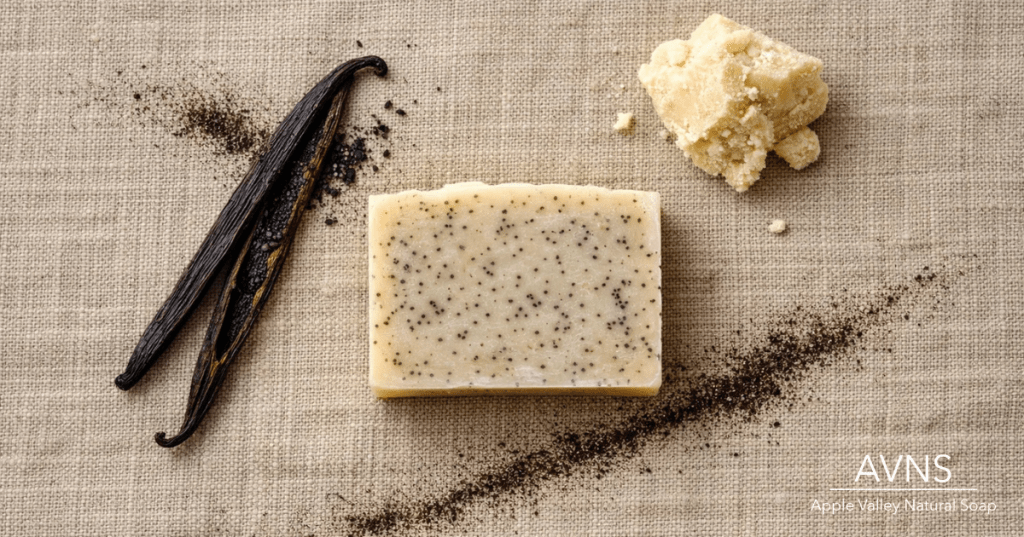
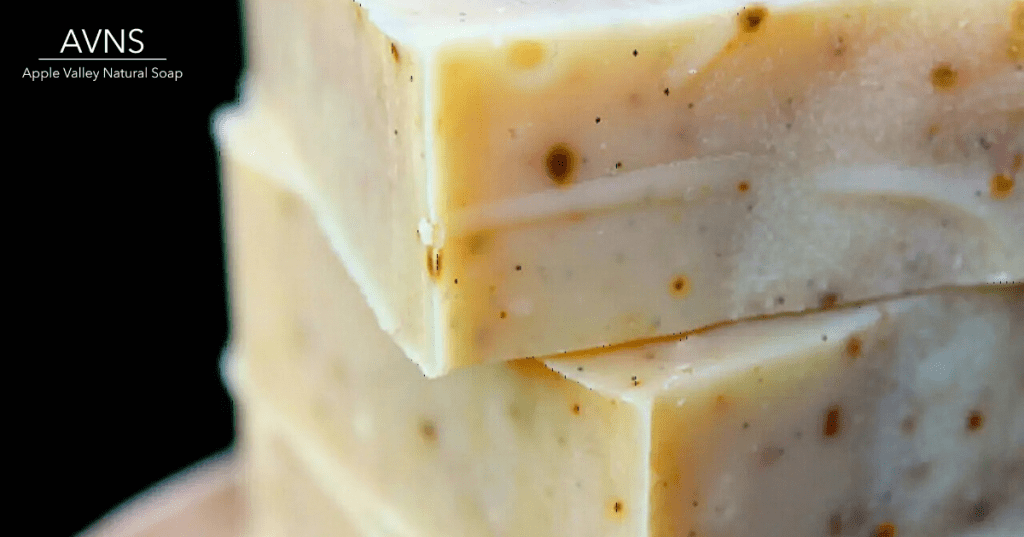
🔲 Vanilla beans contain thousands of tiny seeds that create natural speckling in soap. These dark flecks aren’t dirt or imperfection, they’re proof of real botanical ingredients working in your bar.
🔲 Ground vanilla beans add gentle, non-abrasive texture that enhances the sensory experience without scratching skin. The microscopic particles create a barely-there exfoliation that most people don’t even notice as exfoliation.
🔲 Unlike vanilla extract or fragrance oils containing vanillin, ground vanilla beans won’t cause soap to turn brown. They maintain their specked appearance in lighter-colored bars, offering visual interest without color transformation.
🔲 Real vanilla beans cost $200-600 per pound, making them one of the most expensive spices in the world. When you see vanilla bean specks in handmade soap, you’re seeing a maker’s investment in authentic ingredients.
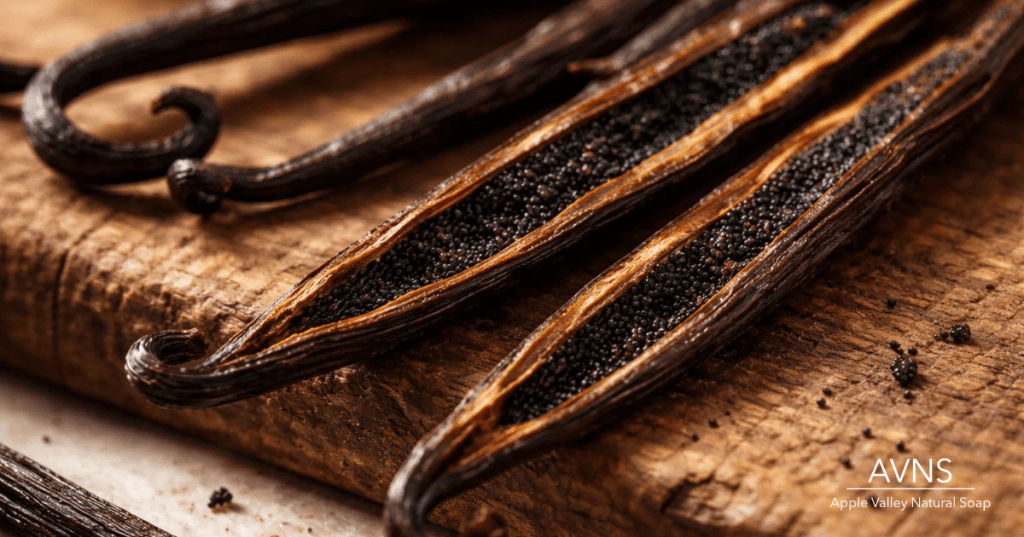
Have you ever split open a vanilla bean?
It’s a revelation.
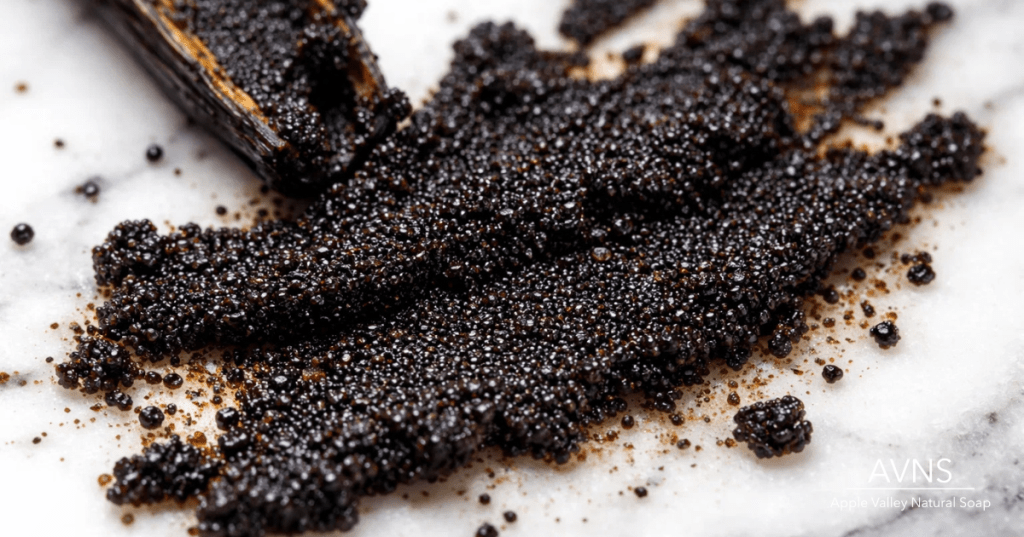
That single dark pod, firm and leathery on the outside, splits to reveal a sticky, paste-like interior packed with thousands upon thousands of microscopic seeds. These seeds are so fine they look almost like wet soil, dark and fragrant, clinging to everything they touch.
This is where real vanilla lives.
Not in clear extracts. Not in synthetic vanillin. But in those tiny, precious specks.
And when those specks appear in natural handmade soap, they tell a completely different story than vanilla extract ever could.
Today, we’re exploring a true vanilla bean lesson. What these tiny seeds are, why they behave the way they do in soap, what most people don’t know about them, and why their presence in your bar is something worth celebrating.
Whether you’re a soap lover, a maker, or someone seeking authentic artisan bath products, this guide will change how you see those little dark flecks forever.
The Vanilla Bean Isn’t a Bean At All
Let’s start with a surprise, vanilla “beans” aren’t beans.
They’re actually seed pods from Vanilla planifolia, a climbing orchid that grows in tropical regions. The name “bean” comes purely from their elongated shape, but botanically speaking, they’re capsules filled with seeds.
And what seeds they are.
Each pod contains somewhere between 16,000 to 100,000 seeds, depending on the pod’s size and growing conditions. These seeds are incredibly tiny – about the size of ground black pepper, but finer. When you scrape the inside of a vanilla pod, you’re collecting thousands of seeds at once, bound together in that characteristic sticky paste.
Here’s what makes this fascinating for soap:
When ground vanilla beans are added to soap, you’re incorporating actual seed matter – not a derivative, not an extract, but the physical structure of the plant itself.
Those dark flecks you see in vanilla bean soap?
That’s the real thing.
Why Vanilla Beans Look Different Than Vanilla Extract
This is where many people get confused.
Vanilla extract is made by soaking vanilla beans in alcohol, which pulls out the aromatic compounds (primarily vanillin) while leaving the seeds behind. The liquid is then filtered, bottled, and used for flavoring.
What you get: The chemistry of vanilla.
What you lose: The physical presence of vanilla.
Ground vanilla beans, on the other hand, are the whole pod or more specifically, the seeds from inside the pod – dried and pulverized into fine particles.
What you get: The visual proof, the texture, the authenticity.
What you lose: The intense aroma concentration.
In soap, this creates a completely different experience:
- Vanilla extract/fragrance oils → Darker over time due to vanillin oxidation
- Ground vanilla beans → Maintain their specked appearance without browning the entire bar

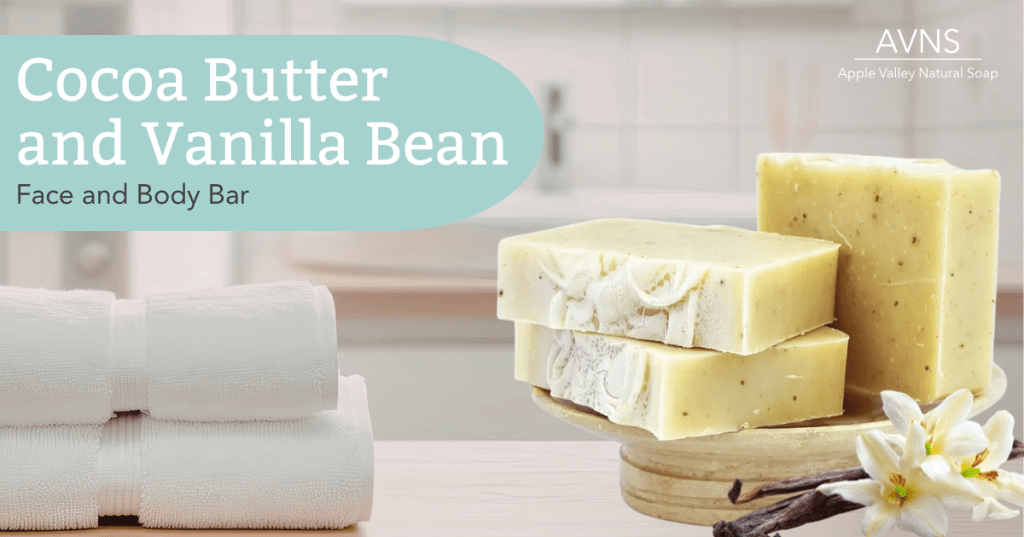
This is why a soap like Cocoa Butter Vanilla Bean can remain beautifully white or cream-colored with elegant dark speckling throughout, instead of shifting to caramel or brown.
The beans don’t chemically react the same way.
They’re decorative. Textural. Visual.
And they stay that way.
The Cost of Real Vanilla Beans
Here’s something most people don’t realize.
Vanilla is the second most expensive spice in the world after saffron.
Grade A Madagascar vanilla beans (the gold standard) can cost anywhere from $200 to $600 per pound, depending on market conditions, harvest quality, and global demand.
Why so expensive?
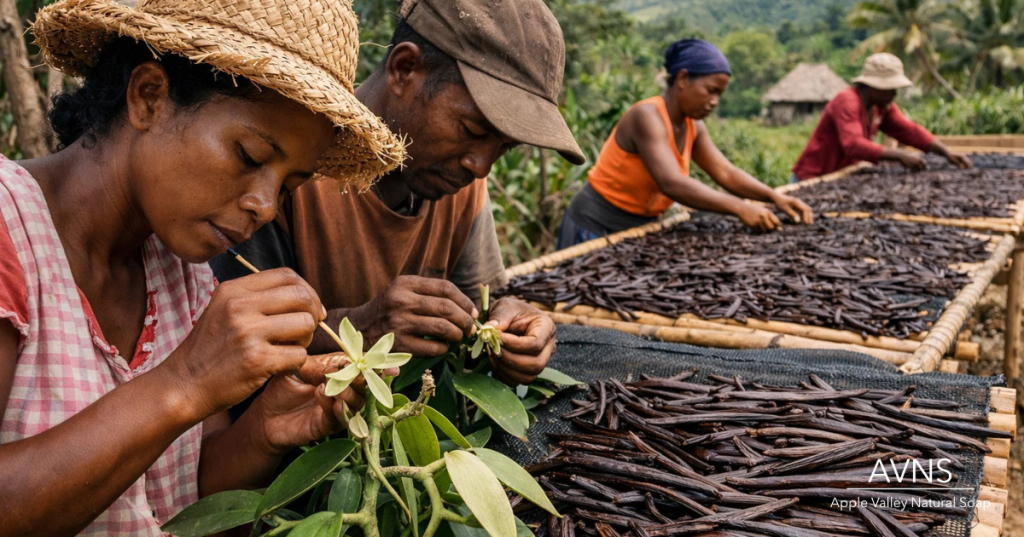
- Hand pollination – Each flower blooms for only one day and must be pollinated by hand in most growing regions
- Long maturation – Pods take 8-9 months to mature on the vine
- Labor-intensive curing – The beans go through months of blanching, sweating, drying, and aging to develop their aroma
- Climate sensitivity – Cyclones, droughts, and political instability in growing regions (Madagascar produces 80% of the world’s vanilla) can devastate harvests
So when you see vanilla bean specks in handmade soap, you’re not just seeing “decoration.”
You’re seeing a maker’s willingness to invest in genuine, costly ingredients instead of taking shortcuts.
That matters.
What Ground Vanilla Beans Do in Soap
Let’s talk texture.
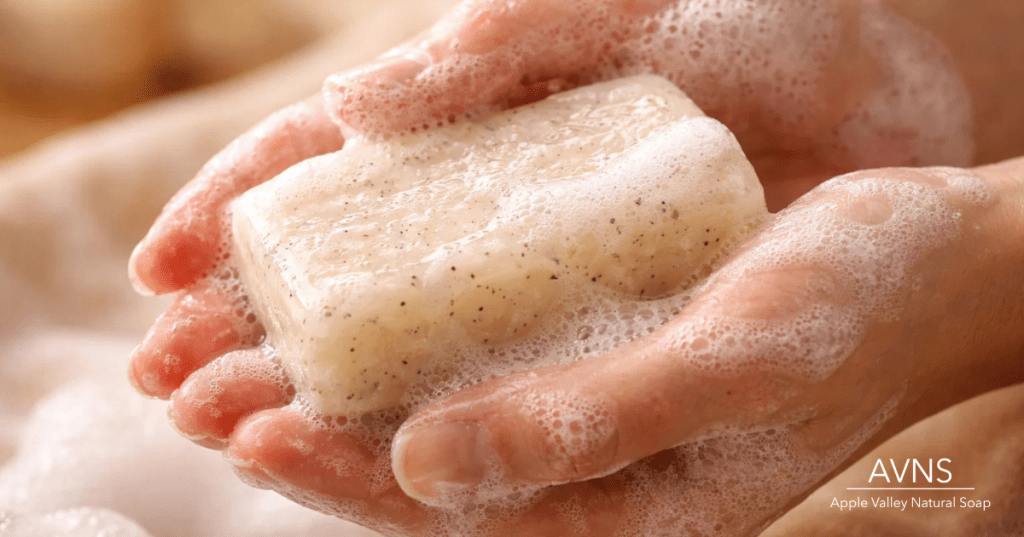
Ground vanilla beans add an incredibly fine, gentle texture to soap that most people don’t consciously notice – but they can feel.
It’s not gritty like pumice or coffee grounds.
It’s not scratchy like some salt scrubs.
It’s subtle. Almost imperceptible. Like the finest grain you can imagine.
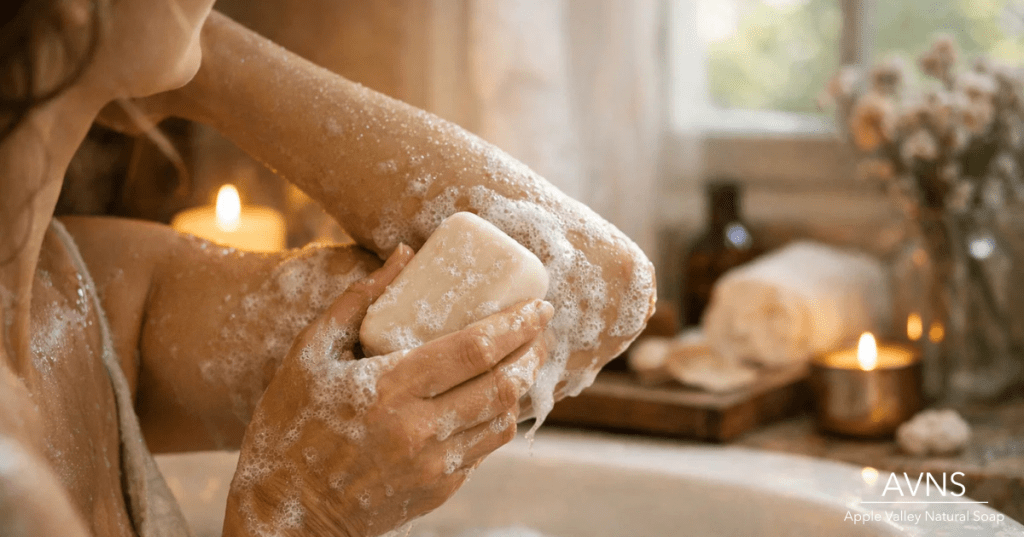
When you lather vanilla bean soap, those microscopic seed particles move across your skin without abrading it. They provide the slightest amount of physical contact, which can:
- Enhance the sensory experience of washing
- Create a feeling of “something special” without being harsh
- Give the soap a luxurious, artisan quality
Think of it like the difference between smooth peanut butter and crunchy peanut butter.
Both are delicious.
But one has texture, and that texture changes the entire eating experience.
Vanilla bean soap is the “crunchy peanut butter” of the soap world.
The Speckling Effect, Beauty in Authenticity
One of the most visually striking things about vanilla bean soap is the random speckling pattern.
Because the seeds are distributed throughout the soap batter before it hardens, they settle and suspend in organic, unpredictable ways. No two bars look exactly the same.
Some bars have dense clusters of specks.
Others have scattered, delicate freckling.
Some show dramatic contrast against white bases.
Others blend softly into cream or beige tones.
This variability is a feature, not a flaw.
It’s proof that the soap was made by hand, in small batches, with real ingredients that behave naturally – not churned out by machines designed for perfect uniformity.
For customers seeking authentic artisan products, this matters deeply.
It’s the same reason people love handmade pottery with slight variations, or hand-knit sweaters with unique tension patterns.
Perfection is boring.
Authenticity is compelling.
Vanilla Beans vs. Synthetic “Vanilla Bean” Products
Here’s where things get interesting.
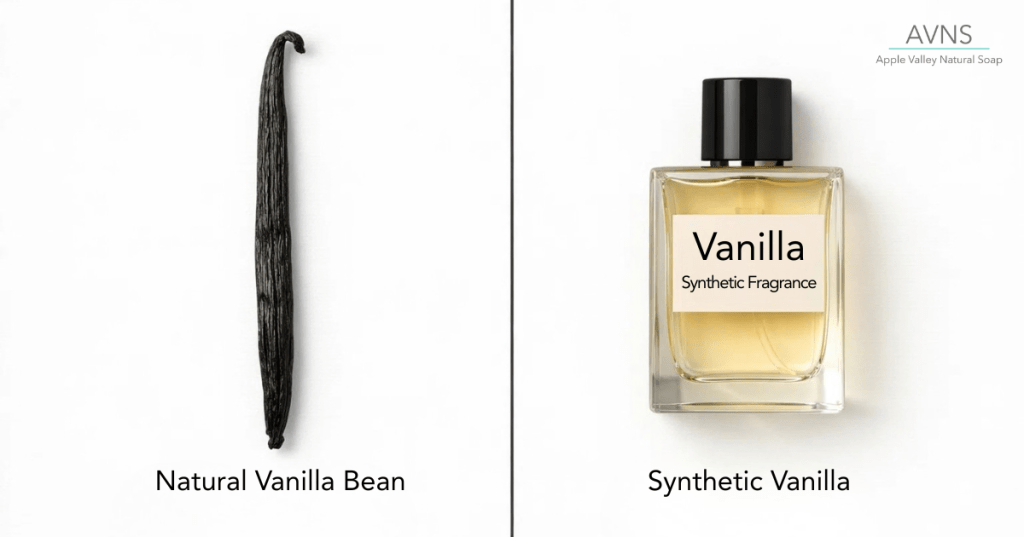
Many commercial “vanilla bean” products – from ice cream to body wash – contain no actual vanilla beans.
Instead, they use:
- Synthetic vanillin (derived from wood pulp or petroleum byproducts)
- Artificial vanilla flavoring
- “Natural vanilla flavor” (which can be derived from non-vanilla sources)
- Tiny black specks made from… well, other things
Yes, you read that correctly.
Some products add fake specks to create the visual illusion of vanilla beans without the cost.
These can include:
- Ground exhausted vanilla beans (already used for extract, with no aroma left)
- Carob powder
- Black sesame seeds
- Even food-grade plastic particles in some cosmetics
In contrast, true vanilla bean soap contains the actual ground seeds from real vanilla pods.
There’s no shortcut.
No substitution.
No illusion.
Just the plant itself.
Why Vanilla Beans Don’t Cause Browning
Remember how vanilla extract darkens soap over time due to vanillin oxidation?
Ground vanilla beans don’t do that.
Here’s why:
The vanillin in vanilla beans is locked inside the seed structure and present in much lower concentrations than in extracted form. When the beans are ground and suspended in soap, they’re not releasing significant amounts of vanillin into the alkaline soap base.
Instead, they remain as inert particles – visible, textured, but chemically stable.
This is why you can create a white or cream-colored soap with vanilla bean specks that stays light over time.
The specks themselves remain dark brown or black (that’s their natural color), but they don’t bleed or discolor the surrounding soap.
It’s the best of both worlds:
- The visual authenticity of vanilla
- The stability of a non-reactive ingredient
- The luxury of real botanical matter
- The clean aesthetic of a light-colored bar
Pairing Vanilla Beans with Cocoa Butter
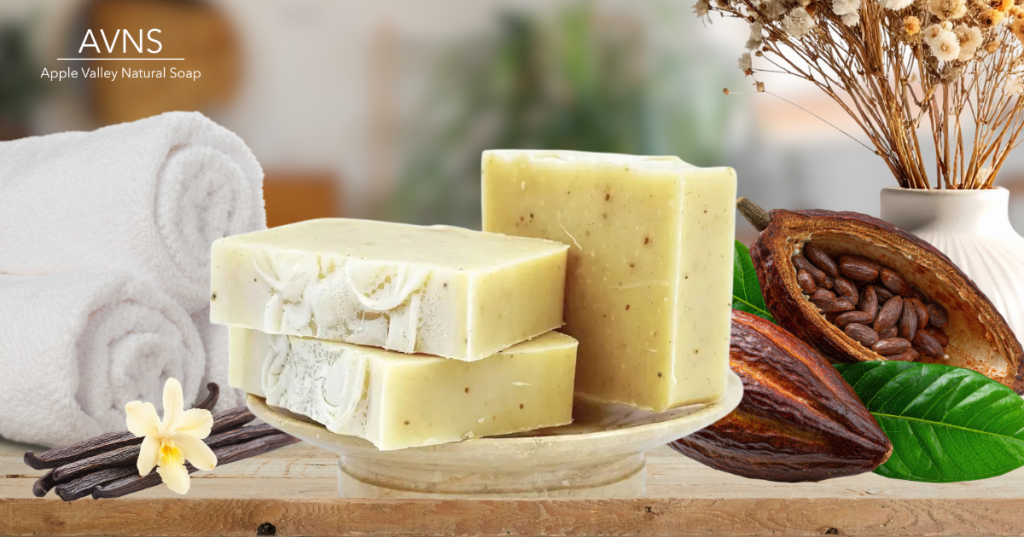
When you combine vanilla beans with cocoa butter, something magical happens.
Cocoa butter itself is pale yellow to white, with a subtle chocolate-like aroma (though it fades significantly in soap). It’s incredibly moisturizing, creating a rich, creamy lather that feels luxurious on skin.
Add vanilla bean specks, and you get:
Visual contrast – Dark seeds against pale butter tones
Complementary aromas – Chocolate and vanilla, a classic pairing
Luxurious texture – Creamy lather with barely-there exfoliation
Nostalgic comfort – Like the scent of fresh baked goods or premium desserts
This combination evokes warmth, indulgence, and quality without being overly sweet or artificial.
It’s sophisticated vanilla.
Grown-up vanilla.
Honest vanilla.
The Sensory Psychology of Vanilla
Vanilla is one of the most universally loved scents in the world.
Research suggests that vanilla’s aroma can:
- Reduce stress and promote relaxation
- Elevate mood through positive scent associations
- Trigger nostalgia (baking, childhood, comfort)
- Enhance perceived sweetness even when no sugar is present
But here’s what’s interesting about vanilla beans in soap:
The scent is softer and more nuanced than synthetic vanilla or vanilla extract.
You’re not hit with a blast of artificial sweetness.
Instead, you experience a gentle, warm, slightly woody aroma that whispers rather than shouts.
It’s the difference between:
- A scented candle labeled “VANILLA CUPCAKE” (loud)
- And a freshly split vanilla pod (subtle, complex, real)
For people with scent sensitivities or those who prefer understated fragrance, vanilla bean soap offers presence without overwhelm.
What Most People Don’t Know About Vanilla Beans in Soap
Let’s share some insider knowledge.
1. The Seeds Can Clog Drains (But Rarely Do)
Technically, yes, thousands of tiny seeds could accumulate over time. In practice? The particles are so fine and well-distributed that they rinse away easily. Unless you’re using an entire vanilla bean per bar (no one does), it’s not a concern.
2. Not All “Vanilla Bean” Soaps Contain Real Beans
Always check ingredient lists. Some products list “vanilla bean extract” or “vanilla bean fragrance” – which may not include actual ground seeds.
3. Vanilla Beans Lose Most Aroma When Soaped
The saponification process (turning oils into soap) happens at high pH and can neutralize delicate aromatics. Ground vanilla beans contribute visual appeal and subtle scent, but they won’t create a strong vanilla smell on their own. That’s why many vanilla bean soaps also include essential oils or natural fragrances.
4. The Seeds Are Edible (But Don’t Eat Your Soap)
Vanilla bean seeds are completely food-safe – you’ve eaten them in ice cream, custards, and baked goods. In soap, they’re harmless to skin, non-toxic, and hypoallergenic for most people.
5. Quality Varies Wildly
Some soap makers use spent vanilla beans (already used for extract) which have little to no remaining aroma or potency. Others use premium whole beans, ground fresh, with full aromatic complexity. The difference is significant – and often visible in the richness of the speckling.
Embracing the Imperfection of Natural Ingredients
In a world obsessed with flawless aesthetics and Instagrammable uniformity, vanilla bean soap is quietly rebellious.
It says:
“I’m not perfect, and I don’t need to be.”
Each bar is unique.
Each speck pattern is one-of-a-kind.
Each sensory experience is slightly different.
And that’s exactly the point.
Natural handmade soap isn’t trying to compete with mass-produced bars stamped out by machines at 10,000 units per hour.
It’s offering something those bars can never provide:
Authenticity.
Craft.
Connection to real plants and real people.
When you hold a bar flecked with vanilla bean seeds, you’re holding proof that someone chose quality over convenience, cost be damned.
Choosing Vanilla Bean Soap
If you’re drawn to,
Subtle luxury → Vanilla bean offers elegance without intensity
Visual interest → Those specks make every bar a small work of art
Gentle texture → Barely-there exfoliation for daily use
Natural authenticity → Real botanical ingredients, no synthetic shortcuts
Then vanilla bean soap – especially when paired with rich cocoa butter – is worth exploring.
And if you’re wondering whether those specks are “real,” here’s a simple test:
Real vanilla beans = Irregular, varied sizes, slightly textured, naturally dark brown to black
Fake specks = Perfectly uniform, suspiciously even distribution, sometimes too “perfectly round”
Your eyes (and eventually your research into the maker) will tell you the truth.
Vanilla Beans Aren’t Plain
We’ve been conditioned to think of vanilla as the default.
The “plain” option.
The “boring” choice.
The thing you pick when you can’t decide on a “real” flavor.
But vanilla beans themselves?
They’re anything but plain.
They’re exotic orchid seeds harvested by hand from tropical vines.
They’re the result of months of patient curing and aging.
They’re worth more per pound than silver.
They’re complex, subtle, and quietly magnificent.
So the next time you see dark specks in your soap, don’t dismiss them as decoration.
See them as declaration.A declaration that real ingredients matter.
That authenticity is worth the cost.
A declaration that real ingredients matter.
That authenticity is worth the cost.
And that sometimes the most beautiful things aren’t uniform, they’re uniquely, imperfectly, naturally themselves.
Related Reading
For more information about nourishing your skin from head to toe using gentle, natural approaches, dive deeper into these related articles:





 APPLE VALLEY NATURAL SOAP BLOG