What is a natural Moisturizer? Part 1

Going Natural

If you’re looking for a natural moisturizer, you might be surprised by just how many options you actually have. Natural lotions, natural body butters, natural oils, natural salves…what’s the difference between these moisturizing products? How do you know which is the best natural moisturizer for your body versus which acts as the best natural moisturizer hair treatment? And how about natural lotion for face, hands and scalp? Yikes, so many questions! Luckily, we happen to carry every type of natural moisturizer mentioned above. I had planned to cover all our natural moisturizers in one blog, but I soon realized how long that blog would be so I decided to beak it down into two parts. This week I’ll be looking at lotions, lotion bars, and body butters. Next week I’ll be revealing our top 5 best smelling shampoo bars according to customers (take the survey now to pick your favorites!) And the week after that I’ll return to natural moisturizers to discuss the awesome benefits of oils and salves!

Wait! Can Natural Soap Be a Moisturizer Too?

I know this blog is focused on our non-soap products, but you really can’t talk about moisturizing products without mentioning natural soap! While glycerin is typically removed in mass soap production, our natural soap is handmade in small batches and maintains a glycerin content. Glycerin is a naturally occurring chemical compound that attracts water, which means that your hair and skin will benefit if they are covered in a product containing glycerin. 

If you find that you have perpetually dry skin and always use commercial brand soap, you should try switching to natural soap. That little extra boost of moisture could be just what your skin needs.

Are Natural Products Better For Your Skin?

Before I jump into specifics in this blog, I want to say one very, very important thing. Just because something is natural…does not automatically mean it is SAFE for you or even benefits you (please do not rub your entire body with poison ivy) which is why you still need to be careful when choosing natural products. Every ingredient we put into our products is as safe for you as possible. We are constantly reevaluating our products, taking out ingredients that can be substituted with safer options or taking out ingredients based on new findings suggesting any negative effects. 

Lotions

The Merriam Webster definition of lotion, “a liquid preparation for cosmetic or external medicinal use” won’t help us learn much. The main aspect of lotion that you need to be aware of when deciding on moisturizing products is the fact that lotion usually has a higher water content than other moisturizing products. What is the benefit of a lotion compared to say, an oil? Well, lotions typically have a lighter feel on your skin and won’t feel as greasy. Lotion will also absorb more water into your skin because of its preexisting water content. 

Why Should You Use Natural Lotion?

As someone who has battled acne for years, I understand how truly trying “acne curing” lotions can be. They stink. They sting. And they dry out your skin.

Natural lotion is a great option for sensitive or acne prone skin. Natural lotion will still be effective in correcting skin problems, but won’t dry out the skin in the process and will maintain healthy and moisturized facial tissue.  

Our Natural Lotions

Naturally Clear Face Lotion

Skin Type: Normal to oily/acne-prone facial skin

Our Naturally Clear Face Lotion is a favorite of teenagers and young adult’s alike for keeping skin clear and moisturized without weighing it down.

What do we love about about this lotion? Naturally Clear contains ingredients known to help keep acne at bay while moisturizing & revitalizing skin.

Our Naturally Clear lotion is applied morning and evening after gently cleansing facial skin with any of the following soaps: Acne Battle Bar, Charcoal Detox, Honey Carrot Tangerine or Cucumber Lime. It can also be used in conjunction with our Calming Toner for additional benefits to assist with irritated or problematic skin.

Moisture Rich Face Lotion

Skin Type: Dry, mature or combination facial skin

Do you love only having one lotion to cover many facial needs? Then this is the lotion for you! Watch it nourish and revitalize skin around the eyes & mouth, see it naturally deliver rejuvenation for beautiful, radiant facial skin. 

Our Moisture Rich Face Cream/Lotion was first created in 2010 and was an instant favorite amongst family and friends. Since then it’s been tweaked, tested and improved upon to what it is today. 

What do we love about about this lotion? We’re glad you asked! As our best-selling natural face lotion, Moisture Rich is the ultimate superfood for your skin. Known to renew and protect a variety of skin types, especially dry, mature or combination skin, antioxidant rich Moisture Rich Face Cream leaves your skin soft and radiant while imparting a beautifully light fresh scent from the natural jasmine extract.

Our Moisture Rich Face Cream can be used by itself, or as a day time lotion in conjunction with other skin care products. Our Intensive Renewal Night Cream is used for dry or mature skin at night.  We love how both complement each other, delivering what skin needs at all times of the day.  

Different than a lotion because of its lack of water content, different than a body butter because of its solid form, a lotion bar is a little like the Superman of the moisturizing world. 

Lotion Bars

Different than a lotion because of its lack of water content, different than a body butter because of its solid form, a lotion bar is a little like the Superman of the moisturizing world. 

Why Should You Use a Natural Lotion Bar?

Lotion bars are the best option for someone who is always on the go. They can be applied right after getting out of the shower (yes. Right on wet skin) and they can be packed in a carry on or personal item without taking up room in the 3-1-1 bag (travelers know just how important this is). We have two lotion bars.

Lavender Lotion Bar

Skin Type: All
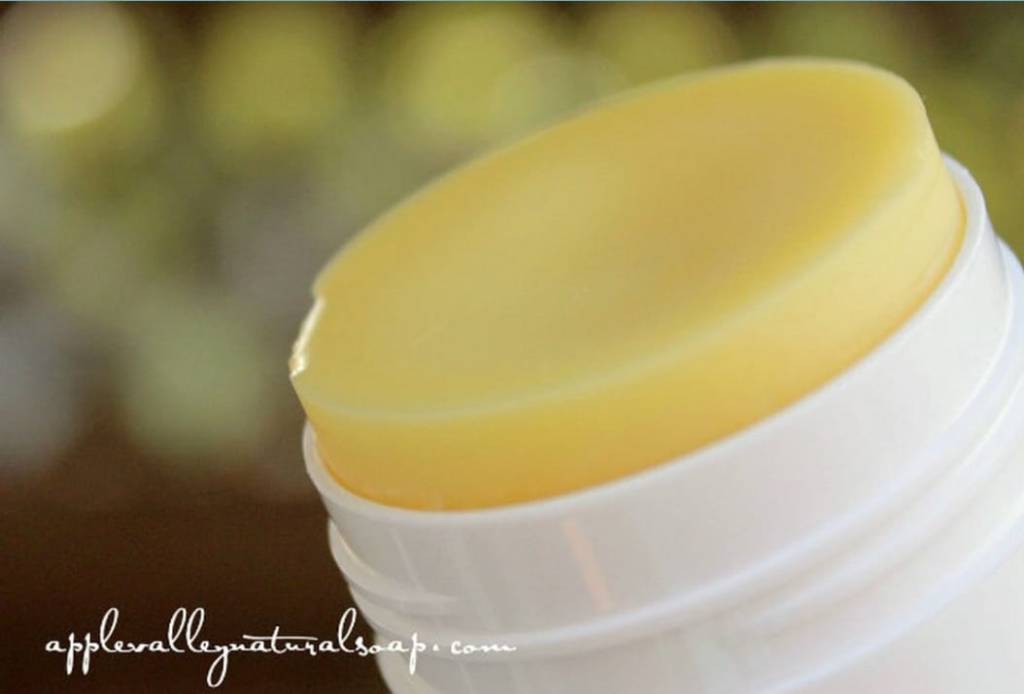
Our luxurious Lavender Lotion Bars combine nutritious organic oils and butters with the healing power of organic lavender essential oil for a powerhouse of moisturizing properties for your skin. With a lighter textured than our Creamy Butter Bar, this lotion is great for everyday use or problematic skin. With the inclusion of organic virgin jojoba, organic virgin coconut oil, unrefined organic cocoa butter, unrefined organic shea nut butter and powerful organic lavender essential oil, this lotion bar is a wonderful option for a wide range of skin types from the delicate, to the problematic.

Why lavender essential oil? Because of its many health benefits for the skin, most of which can be attributed to its antiseptic and anti-fungal properties. Lavender essential oil is widely used to treat various skin issues such as acne, wrinkles, psoriasis, and other inflammatory conditions, it is also commonly used to speed up the healing process of wounds, cuts, burns, and sunburns because it improves the formation of scar tissues.

Ingredients: unrefined beeswax, organic coconut oil, unrefined organic cocoa butter, unrefined organic shea nut butter, organic virgin jojoba, organic virgin olive oil, organic lavender essential oil and vitamin E oil (from non-GMO sunflower oil). All of our organic ingredients are USDA Certified Organic.

Creamy Butter Lotion Bar

Skin Type: Dry skin

There is no skimping on the luxurious ingredients in our versions of a hard lotion bar. For this Creamy Butter Bar we use organic virgin jojoba, organic coconut oil, unrefined organic cocoa butter, unrefined organic shea nut butter and mango butter, making a concentrated, rich, all natural, moisture-drenched solution for extremely dry, problematic skin. Use it on your heels, knuckles, elbows, cuticles—or anywhere else you have patches of dry skin. We left this one unscented so that even the most sensitive skin will fall in love. However, you CAN smell the delicious, creamy, mild scent of the unrefined cocoa butter, yum!

Ingredients: unrefined beeswax, organic coconut oil, unrefined organic cocoa butter, mango butter, unrefined organic shea nut butter, organic virgin jojoba, organic virgin olive oil and vitamin E oil (from non-GMO sunflower oil). All of our organic ingredients are USDA Certified Organic.

Body Butter

Body Butter is thicker than lotion because of its higher butter/oil content. A body butter is meant to target problem areas of dry skin and its thick, creamy texture helps create a lavish bathing experience. 

Why Should You Use Natural Body Butters

Body butters are often marketed as luxury products and are created with intense scents to match their intense textures. The problem with adding this much fragrance is that it means you’re upping your body’s chemical intake. Many chemicals in cheap fragrances cause a lot of skin problems such as irritation and dryness. Some chemicals can even leak into your bloodstream and cause even deeper issues, which is why you hear about recalls on certain products. We have two types of natural body butters that are gentle and powerfully effective for skin.
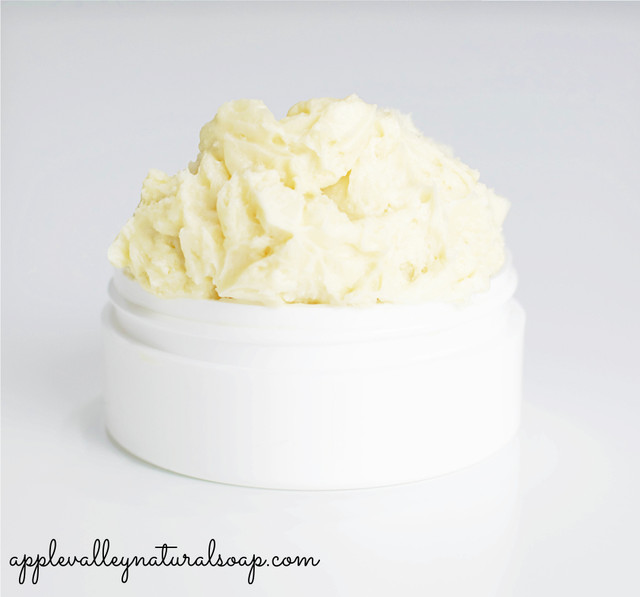
Whipped Body Butter

Skin Type: Extremely Dry

Using only organic ingredients packed with intense nutrition for your skin, this unscented body butter is a soothing and effective way to moisturize all over! We’ve included ingredients such as Organic Unrefined Cocoa Butter which can actually penetrate further than the top layer of the skin, it moisturizes deep-down and really nourishes the skin. And organic Shea Butter which has a high content fatty acids which gives it the ability to deeply moisturize and retain the elasticity of the skin. This all natural, 100% organic, uber moisturizing body butter has no added scent, but a soft, oh so good, chocolatey scent is evident from the organic unrefined cocoa butter. An amazing treat!

Our body butters are natural, gentle and safe for every type of skin. Please note that just a little bit goes a long way, so use sparingly!

Ingredients: organic shea butter, organic unrefined cocoa butter, organic virgin coconut oil and organic jojoba oil.

Shea Butter Skin Therapy
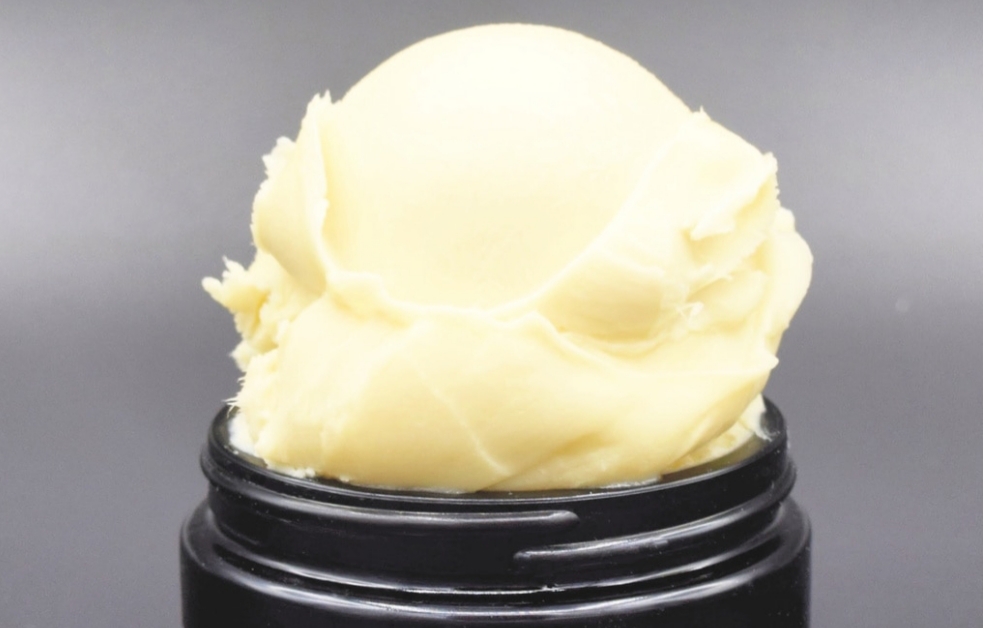
Skin Type: Extremely Dry, Oily and Problem Areas (including scalp)

NEW to our collection of butters, experience Intense Nutrition for Skin with Shea Butter Skin Therapy, this butter is a super food for your skin! Organic, unrefined African shea butter is intensely moisturizing, it can not only help relieve dry itchy skin, but can help eliminate greasy scalp and hair issues, as well as balance oil production which makes it also great for oily complexions. We have chosen to use only USDA CERTIFIED Organic Raw Unrefined African Shea butter, this pure and natural organic shea butter is the only way to go in order to reap all the benefits. 

What makes Organic Shea Butter so good for the skin? It has a high content of fatty acids which gives it the ability to deeply moisturize and retain the elasticity of the skin, it is also a great ingredient for those with inflammatory skin conditions, like eczema and dermatitis. Unrefined Shea Butter is loaded with natural vitamins A, E, natural antioxidants and fatty acids for maximum natural moisturizing power, it is an amazing body healer. Try it to help treat skin conditions such as dry skin, eczema, rashes, stretch marks, and burns. It may also help lessen the irritation of psoriasis and eczema, help diminish wrinkles, clear blemishes, and heal wounds, scars & skin discolorations. 

Ingredients: USDA CERTIFIED Organic Raw Unrefined African Shea Butter with no added scent.

Hopefully this blog is leaving you with a better sense of what type of natural moisturizer is best for you and your skin. Come back in two weeks for part two when I cover oils and salves…two more amazing types of natural moisturizer!

Much Love,

Nora
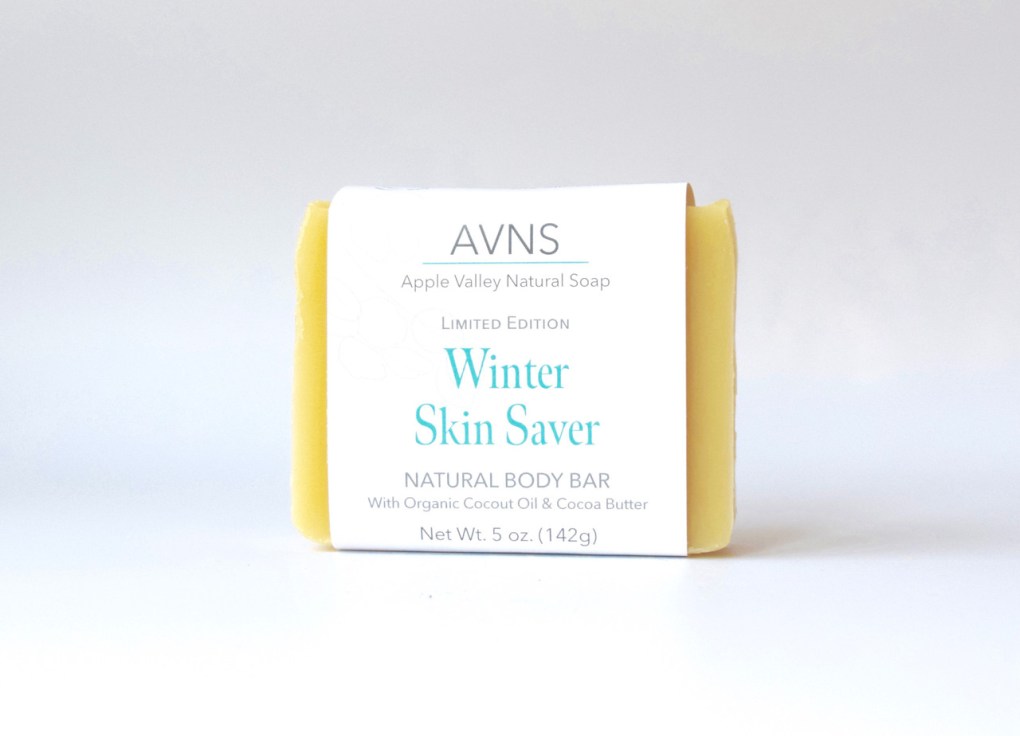

The Secret in Our Winter Skin Saver Bar: Lanolin

How to Get Rid of Dry Skin?

Photo by Artem Beliaikin on Pexels.com

Finding products that keep dry skin moisturized can be a huge challenge. Our Winter Skin Saver Bar is easily one of our most popular limited edition natural soaps…how do I know this? Because each batch we put out sells out within a day or two. But what makes this bar so wildly popular? This bar is a fan favorite because it has the amazing ability to help eliminate dry skin, even in the harshest winter weather conditions. While the most we can hope for with many soaps is that they won’t dry out our skin, while our natural soaps certainly won’t dry out your skin the Winter Skin Saver Bar actually works to enforce your skin with extra extra added moisture and protection. How does it do this? Well, that’s what we will be talking about today and it all boils down to a little secret ingredient called lanolin.

What is Lanolin? 

Photo by Shvets Anna on Pexels.com

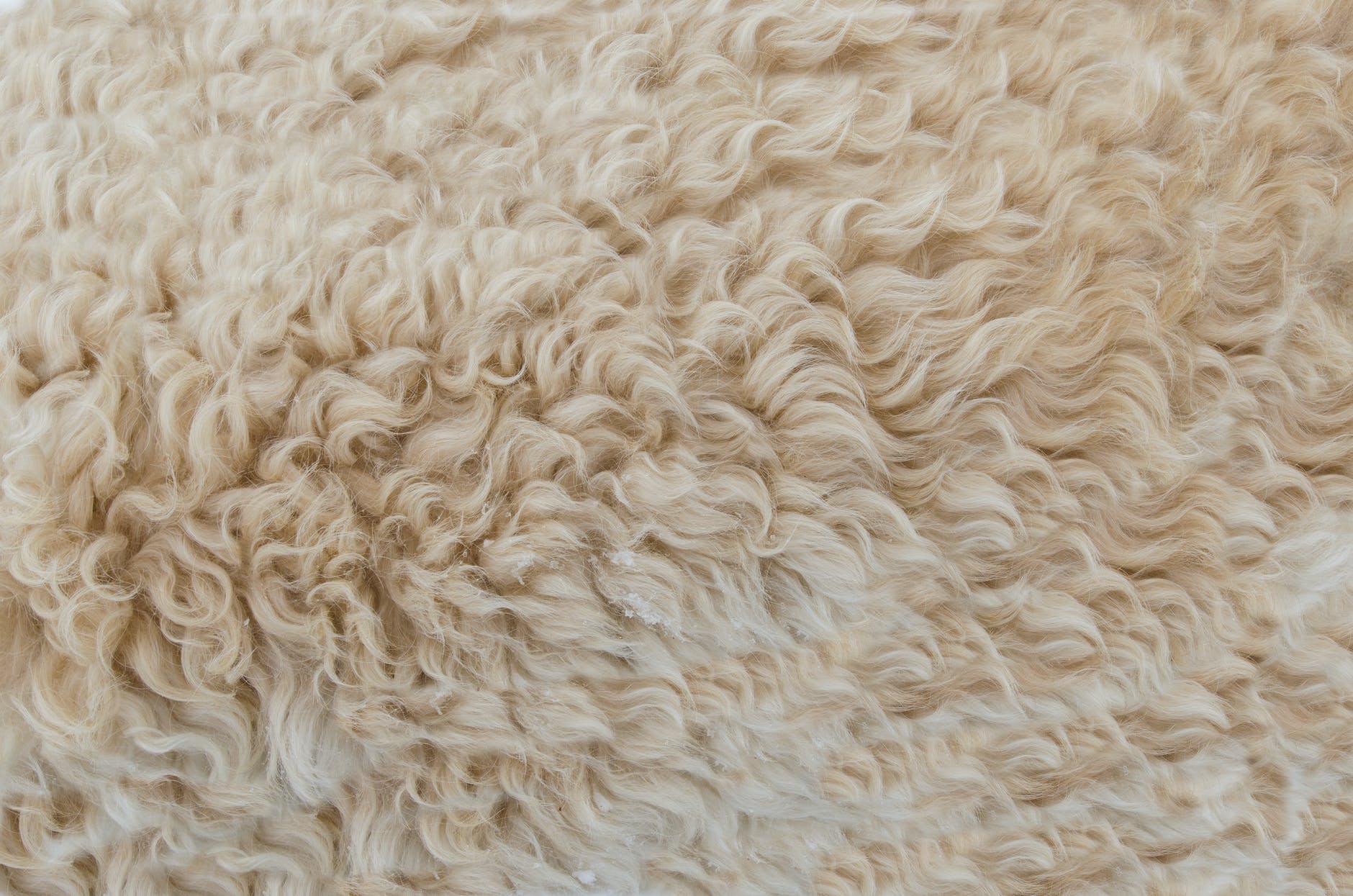
Lanolin, sometimes known as wool wax, is a natural wax produced by animals with wool. While humans secrete sebum from their sebaceous glands, sheep secrete lanolin. Because of its wax-like structure, lanolin acts as a waterproofing agent for a sheep’s coat. Why is this important or necessary? Imagine wearing a thick fuzzy coat that absorbs water like a sponge versus a thick fuzzy coat that water rolls off of like a piece of plastic…which one is going to be warmer and more comfortable in a snowstorm?

What is Lanolin Used For?

While I suppose technically sheep were the first to discover and benefit from the incredible properties of lanolin, they were probably too busy chewing their cud to actually realize what fortune they had stumbled upon. Luckily, farmers recognized lanolin’s potential and today lanolin has countless uses.

Photo by Lukas on Pexels.com

Lanolizing Wool and Cashmere

Since Lanolin and wool naturally coexist in harmony, lanolin can be used to restore and cleanse wool and cashmere products! Besides its waterproofing ability, pure lanolin is also antimicrobial and antifungal. When introduced to water, these properties will activate and self-clean and deodorize wool.

Lanolin Oil for Breastfeeding Mothers

Photo by Josh Willink on Pexels.com

Perhaps considered the “breast” use of lanolin oil by mothers with infants, lanolin oil is well known for its ability to effectively soothe cracked and dry nipples. Because 100% pure lanolin is a natural product, it is safe to use on the most sensitive parts of the body. It is important to use purified lanolin though, because anything less could be harmful if ingested by newborns.

Lanolin for Chapped Lips

As you can imagine, Lanolin is a goldmine for chapped and cracked lips. Which is why we knew we had to include it in our lip balm.

This lip balm was developed for lips in serious need of serious help. Chock full of lanolin, one of nature’s ultimate moisturizers, lanolin not only drenches your lips in rich moisture it also locks it in for the toughest winter days. Lanolin along with the essential oil blend of eucalyptus, tea tree, rosemary, and peppermint which offers cooling, soothing help for sore, chapped lips can also help your lips recover from too much sun exposure no matter the season. 

This balm is also great choice for sore, chapped noses suffering from colds and allergies as well as cheeks suffering from outdoor exposure.

Lanolin for Hair and Skin

Lanolin is revered in the beauty community for its super hydrating abilities. Hey, if it’s good enough for cashmere then it is certainly good enough for my skin. What makes it so good? According to a Healthline article, lanolin can hold “twice its weight in water” which means a little can go a long way and retaining all that water in your skin keeps it supple and plump…helping to erase fine lines and wrinkles. 

Our Winter Skin Saver Bar Made With Lanolin

Remember the analogy I made earlier about the two coats? Well, using our winter skin saver bar will give you similar results to the water-proof coat…okay, so it won’t make your skin waterproof, but if you use it in the shower it will help your skin retain a ton of water. This bar is superfatted with oodles of thick, rich lanolin so that when you are done washing up, you’ll have this soft, invisible layer of protection all over your skin that keeps water in. 

I tried this bar because it was a limited edition. After one use I was CRAZY for it. It was sold out when I went to get more so I waited weeks for the next batch. I even emailed a few times because I couldn’t live without it. When it went on sale again on February 8th I added some to my cart but was distracted at work and didn’t complete the order. AND IT SOLD OUT THAT DAY. NOOOOOO! I have dry skin and have a tendency to not drink enough during the day. This bar soothes my dry skin without having to slather oil or lotion all over before bed. The smell is gentle and the lather is great. Soon it will be gone for the summer so I’m stocking up now.

-customer

Winter isn’t the only season that brings dry skin, skin suffers under intense heat as well which is why we put lanolin in our Summer Skin Saver Bar too!

When Can I Get The Winter Skin Saver Bar?

This bar is currently not in stock, but you’ll have one more chance to snatch one up at the end of January. In the meantime, you can still try a sample!

Can you use this natural soap bar on your hair?

It is called the Winter Skin Saver Bar, but could it be used on hair? According to an article written for Naturally Curly, Lanolin is a powerful humectant, which could potentially be helpful if used on extremely dry or curly hair. However, because it is so powerful, there is a big chance that using lanolin oil or this bar on your hair would result in an overly waxy finish, making your hair appear stringy or greasy. I did not find any reviews of this bar that mentioned using it as a hair product. 

So guess what.

I decided to go ahead and try it myself.

I used the Winter Skin Saver Bar as shampoo and followed with an Apple Cider Vinegar Rinse (I would say this is a must if you plan on using this bar in your hair)

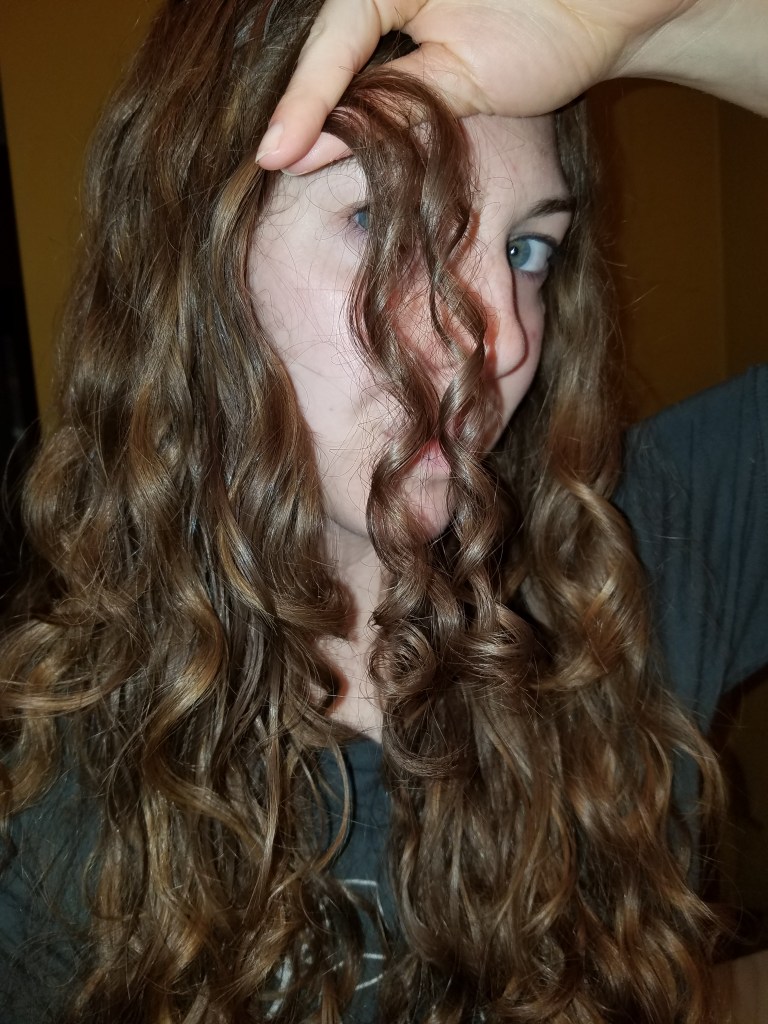
You can see my results on the right! My hair was about halfway dry. Because I have curly hair, I usually dry with a cotton t-shirt and add gel to minimize frizz, however, I wanted to see how the Winter Skin Saver bar interacted with my hair on its most natural level, so for this test I did not use any additional styling products or hacks. As you can see, I do have a bit of “fluffiness” within the curls, but my hair is soft and shiny and my ringlets were not weighed down. I would not use this bar for every wash, but it seems promising as a deep condition for dry hair. I am very curious to know if anyone else has tried this bar in their hair and if it worked for them???

Much Love,

Nora


Ten Foods for Healthy, Glowing skin

If you read last week’s blog you know that a good skincare routine is a must for maintaining a youthful glow, but there’s more to this skincare quest than meets the eye. The needs of healthy skin go beyond skin deep, and if your skin isn’t responding to the best skincare products on the block it might be because you’re missing this crucial step.

Healthy Diet Equals Healthy Skin

Sometimes cause and effect is difficult to identify, especially in the rush of everyday life. It’s tricky to be in tune with your body, but cultivating an awareness of how you eat affects your body is super important. If you still aren’t quite sure what I’m talking about don’t worry. I have an example:

Drink Enough Water

Photo by Pixabay on Pexels.com

Water intake may be the most important interaction between you and your body. Water plays a huge role in our health and beauty, water quality can even influence whether you have a good hair day! This shouldn’t be a surprise, considering that more than 50% of our bodies are made up of water. According to the CDC, water will

  • Keep your temperature normal
  • Lubricate and cushion joints
  • Protect your spinal cord and other sensitive tissues
  • Get rid of wastes through urination, perspiration, and bowel movements

How do you know you’re drinking enough water? Your body tells you! Not only will the darkness of your urine inform you of potential dehydration, your skin can too. Just perform a simple skin pinch!

Your skin isn’t just impacted by your water intake. Every food you eat plays a role in your skin’s performance. To help take pause and examine this concept more carefully, Let’s illuminate an old phrase in a new light, “Your skin ‘is what you eat.’” 

Ten Best Foods for Your Skin

These ten foods not only taste delicious, they’re also skin superfoods!

1) Fish

Photo by Sebastian Coman Photography on Pexels.com

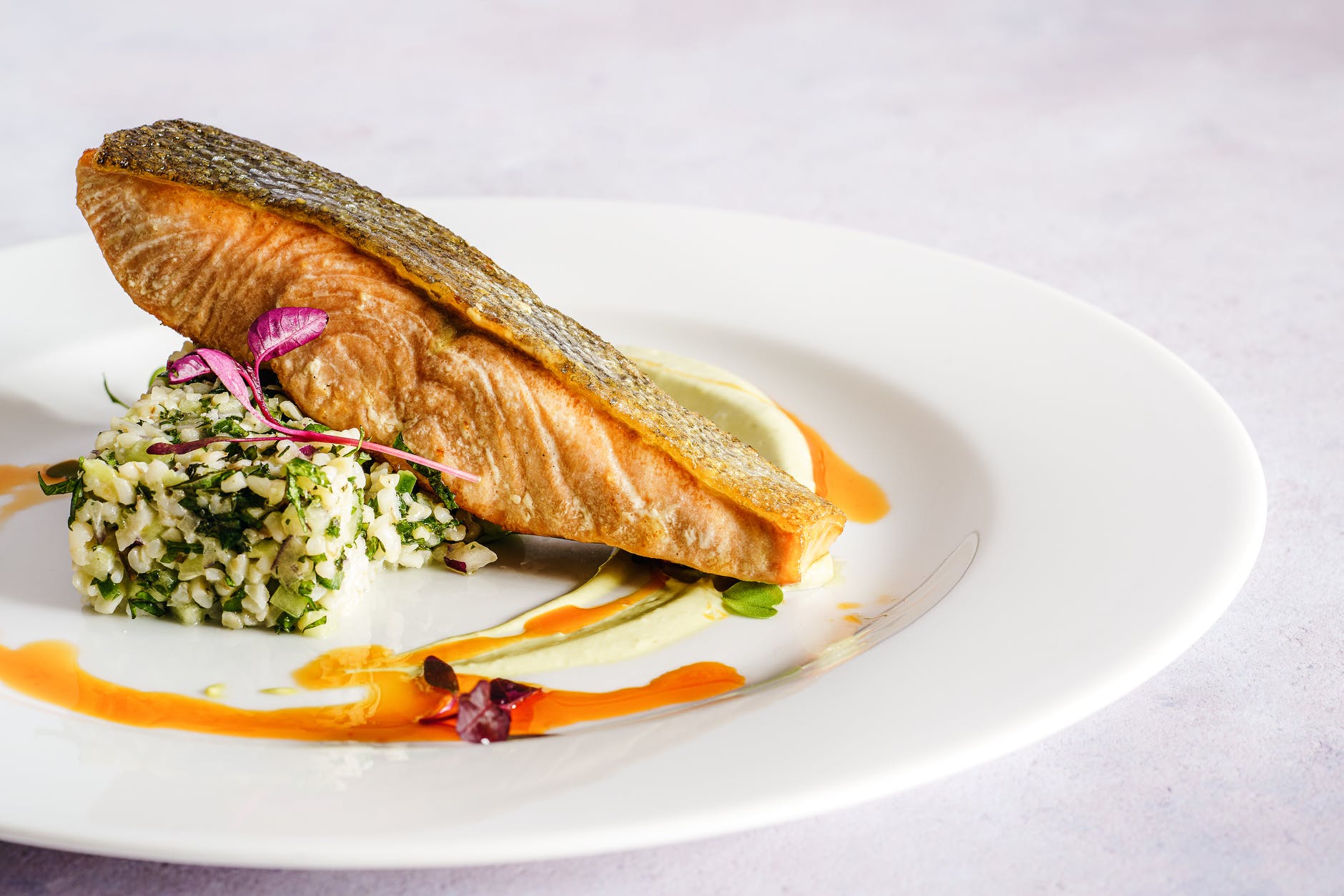
According to an article in Healthline, eating fish like salmon may

  • Keep skin thick, supple, and moisturized.
  • Reduce inflammation
  • Help fight inflammatory and autoimmune conditions 
  • Protect your skin against damage from free radicals and inflammation
  • Be a source of high quality protein, which is needed for maintaining the strength and integrity of your skin.

2) Avocado

Avocados are full of heart-healthy fats, but they also do wonders for the skin. Just like natural vinegar rinses add strength and shine to hair, and salt acts as a natural antibacterial agent on skin, avocado does its part to keep your skin smooth and young. According to an article on One Green Planet, avocados are the perfect natural beauty ingredient because they contain,

  • Chlorophyll to reduce inflammation.
  • Water to hydrate.
  • Vitamin E to promote softness and prevent wrinkles.

Do you have color treated hair that needs a little help? Give Avocado a go with our Rhassoul and Avocado Shampoo Bar.

3) Carrots

Photo by mali maeder on Pexels.com

While you may be afraid using our Honey Carrot and Tangerine Face and Body Bar will turn your skin orange, you don’t need to worry about this. The fresh carrot juice in our popular soap won’t change the color of your skin. Carrots won’t change your skin color…unless you eat ten carrots a day for more than fourteen days straight (or if you’re a carrot loving baby as I once was). Unfortunately, I can also attest to the fact that eating carrots here and there will not improve your already imperfect eyesight. On the bright side, carrots may still benefit your skin. According to an article published in Healthline, “If you have a history of skin problems, such as rashes or psoriasis, adding carrot juice to your diet may improve the appearance of your skin. Carrots contain vitamin C, which has healing properties. It helps skin recover faster from external wounds and trauma. Beta-carotene in carrots also reduces skin inflammation, which speeds the healing process.”

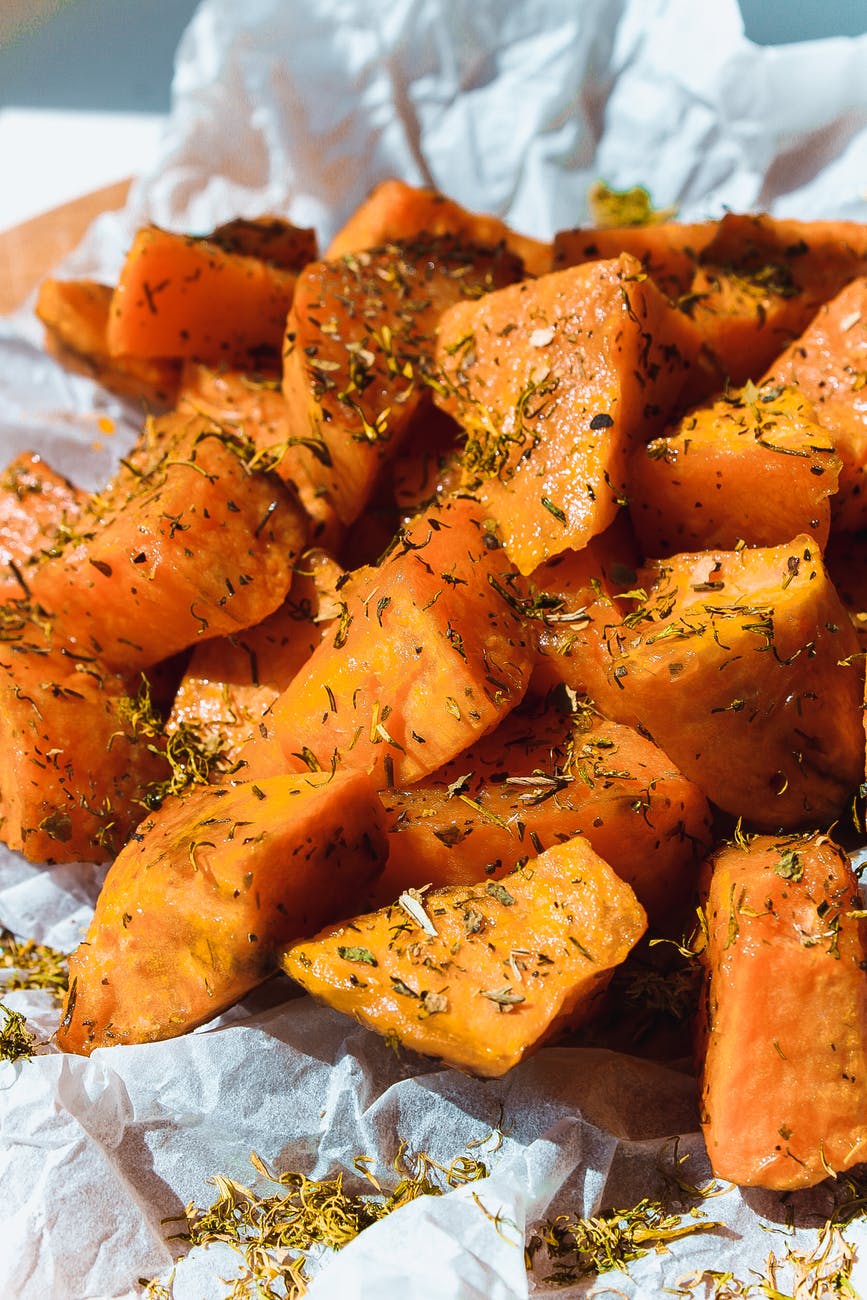
4) Sweet Potatoes

Photo by Nastasya Day on Pexels.com

I love sweet potato fries. And now that I know they are full of sweet skin boosters I won’t be holding back. NDTV Food Desk published an excellent article on the skin benefits of sweet potatoes with the following insight as to why these orange taters are so beneficial, “Sweet potatoes are also rich in vitamin C and Vitamin E, both of which are very crucial to keep skin healthy, glowing and supple. Vitamin C helps boost collagen, which tightens your skin. The antioxidants present in sweet potato are also responsible for a natural sheen. Sweet potatoes are also a rich source of anthocyanins that help prevent blemishes and dark spots by keeping free radical activity in control.” This article also includes tips on the best ways to prepare them for all the benefits!

5) Green Tea

Drinking green tea may help regulate your skin’s oil production as well as combat acne due to a special compound called EGCG (epigallocatechin-3-gallate). EGCG is  antioxidant, anti-inflammatory, and anti-androgenic the last of which, according to an article in NDTV Food Desk, “means that it regulates the production of androgens in the body, which in turn may reduce oil or sebum production on the skin.” We put green tea in our Green Tea and Nettles Shampoo Bar because green tea is full of potent anti-oxidants called catechins. Studies have shown that green tea may help reduce skin cancer, rejuvenate old skin cells, improve psoriasis and dandruff conditions, and neutralize damage done by exposure to UV light.

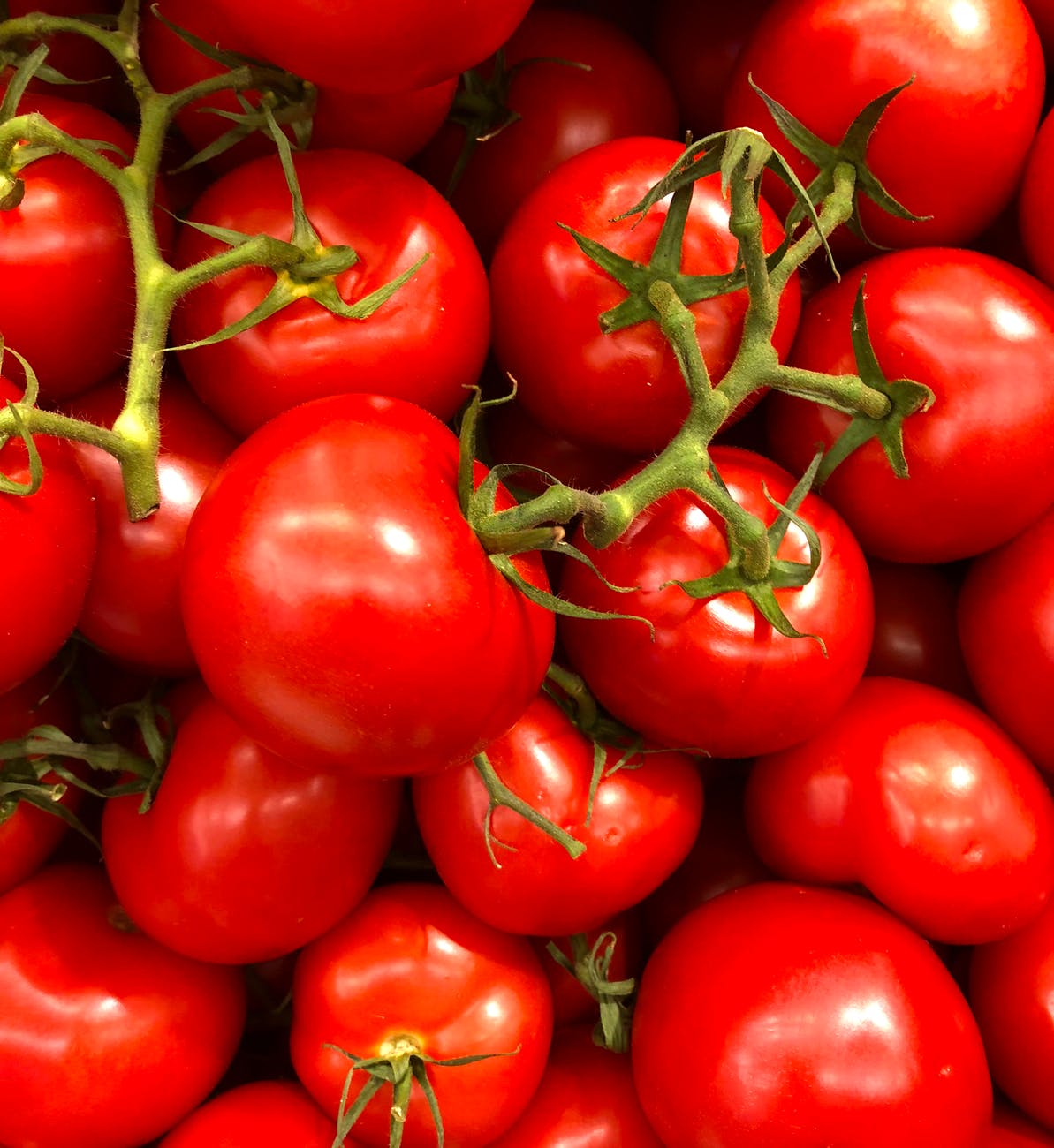
6) Tomatoes

Photo by Julia on Pexels.com

These zesty red fruits are my favorite. I eat them like apples with just a pinch of salt or sugar. Tomatoes aren’t just delicious, they’re also amazing for your skin!

While you’d be hard pressed to find any scientific evidence for the benefits of topical application, tomatoes are a great dietary supplement for promoting gorgeous skin. According to a Healthline article, tomatoes are full of anti-aging vitamins and can also reduce sensitivity to UV radiation.

7) Olive Oil

We love olive oil because it’s what we use to make our super gentle Castile Soap! Our virgin olive oil is chemical free and retains its vitamin content, the reason behind olive oil’s health benefits (especially vitamin E). Vitamin E protects skin from the damage of free radicals and can help alleviate symptoms of eczema. 

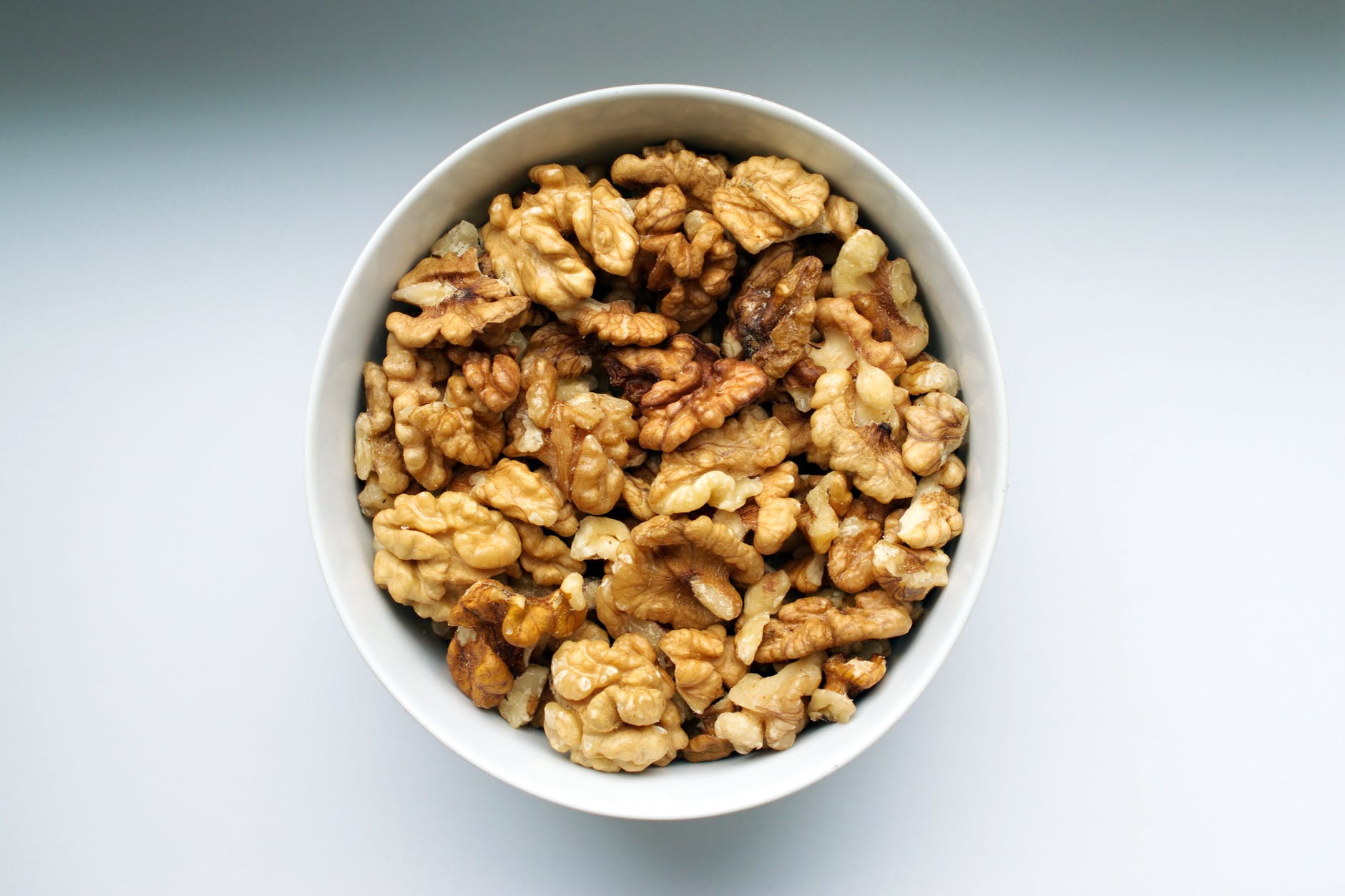
8) Walnuts

Photo by Candid Shots on Pexels.com

Welcome to the wonderful world of walnuts. The benefits of walnuts are so widespread that they even demand a yearly conference just to cover all the research being done on them! We’re just focusing on benefits for the skin, but if you’d like to learn about the other benefits of walnuts you can dive into the research here. According to registered dietitians quoted in an article published on SELF, “Walnuts offer up healthy Omega-3 fats that strengthen the membranes of your skin cells, locking in moisture and nutrients that keep it plump and glowing and keeping out toxins that can damage skin cells.”

Walnuts also make a great addition to a green, leafy salad and I love eating them with cranberries. 

9) Oranges

Oranges are a natural “skin-builder.” Oranges are full of vitamin C which, according to research published by the Linus Pauling Institute, “regulates the synthesis of the structural protein collagen. The role of vitamin C in the hydroxylation of collagen molecules is well characterized. Hydroxylation of collagen is necessary for its extracellular stability and support of the epidermis.”

10) Dark Chocolate

Save room for dessert because it might just help your skin! Dark chocolate is full of minerals and antioxidants that contribute to skin quality. A Femina article on the benefits of dark chocolate states, “Dark chocolate helps reduce dark spots and pigmentation and keeps skin glowing and healthy. It also works to bring back skin moisture and keeps it locked in, improves collagen content, and boosts circulation, all of which help delay the appearance of fine lines and wrinkles.” This is all the permission I need to get to snacking…”Hey! It’s for my health!”

I don’t know about you, but after this list of skin-enhancing foods I’m moments away from whipping up a leafy green salad sprinkled with buttery walnuts and flavorful tomatoes, tossed in a citrus vinaigrette and topped with a juicy piece of salmon. YUM.

Much Love,

Nora


3 Important Skincare Tips for Mature Skin

Giving Your Skin What it Needs

Signs of aging are nothing to be ashamed of. 

You are beautiful beyond your physical appearance.

That being said, your skin deserves the best care you can give it and you deserve to feel like you look as amazing as you are…no matter what your age is.

So you shouldn’t be ashamed for wanting to find the perfect make-up routine either.

Behind Every Great Make-up Routine is an Amazing Skincare Routine. 

Photo by Andrea Piacquadio on Pexels.com

This is especially true for mature skin. According to the U.S National Library of Medicine, As we age, “changes in the connective tissue reduce the skin’s strength and elasticity.” For people 50+, a mature skincare routine means paying extra attention to your skin’s needs to prevent dry, dull skin from weighing down your glowing personality. Because I’m just a youngin when it comes to the beauty industry, I reached out to a professional make-up artist who specializes in mature skin to bring you the top three tips on caring for mature skin.

Pssst! Not over the hill yet? Not even over the anthill? You should keep reading, because it is never too early to find the perfect skincare routine and these tips apply to all skin!

Meet Elise Marquam-Jahns

Author at Sixtyandme.com, “Elise Marquam-Jahns is a professional makeup artist who is passionate about helping women 50+ get their glow back. She is the founder of Boomer and Beyond Beauty and recently launched “Boomer and Beyond Beauty with Elise” – a makeup and beauty YouTube channel specifically designed for women over 50.”

I spent the week emailing with this sophisticated skincare expert (and watching her informative Youtube videos) to learn as much as I could about how to best care for mature skin. 

3 Skincare Tips for Mature Skin

These three easy steps can be added to any and every skincare routine to help keep your skin luminous and healthy.

Exfoliate

Photo by cottonbro on Pexels.com

While using the right cleanser for your skin has countless benefits, Elise points out that washing your face correctly is also an essential part of an effective skincare routine. In her Youtube video “6 Skincare Musts for Women 50+” Elise recommends using a sonic cleansing brush to wash your face instead of doing it manually because, “it doesn’t thoroughly get rid of everything that’s accumulated on our skin over the day.” Pollution, left-over make-up, and dead skin all contribute to build-up. Exfoliating with a brush removes this build-up and enhances the appearance and feeling of your skin. It also exposes your skin and allows the products you’re applying to be more effective. For example, exfoliating and then applying a toner will allow the ingredients to interact with the brand new skin. Rich in vitamin C our Organic Bulgarian Rose Facial Toner has tons of benefits for mature skin including possible lessening of fine lines and wrinkles over time, read more here. One important note about exfoliating is to not do it too often. Over use of a sonic cleansing brush can lead to raw skin, so finding a frequency your skin can tolerate is important. Exfoliating once every other day is a good starting point!

Moisturize

Photo by Karolina Grabowska on Pexels.com

In her video, Elise lists moisturized skin as a priority for mature skin and we couldn’t agree more. Natural Soap is a great way to ensure that your skin is moisturized and cleansed at the same time, we even have a line of facial soap dedicated to dry skin. I wanted to know exactly what kind of ingredients were best for mature skin, so I asked Elise for a list of DOs and DON’Ts for skincare ingredients.

DON’T: Mineral Oil, Aluminum, DEA, MEA or TEA, DMDM Hydantoin and Urea, Parabens (anything with Methyl, Butyl, Ethyl, Propyl), Phthalates, synthetic fragrances, alcohol, and Triclosan

DO: The most important skin care ingredients for me are Vitamin C + E plus Ferulic Acid (skin brighteners), Coenzyme Q10 and Matrixyl Synthe 6.  

Argan Oil is packed with vitamin E and a great natural moisturizer for both mature skin skin and hair and you can read about why that is here.

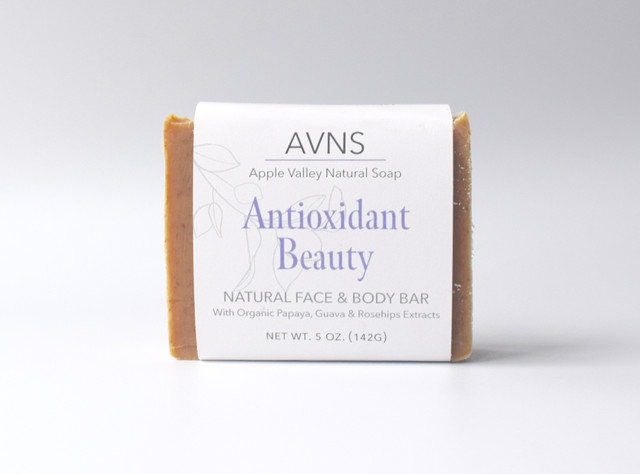
Antioxidant Beauty Facial Soap

One of our most pampering bars, the Antioxidant Beauty Facial Soap is packed with natural ingredients including:

Green tea extract for added skin elasticity.

Papaya with vitamin A for new cell reformation.

Guava for its anti-aging B vitamins.

Rosehips for their natural skin brightening retinol and vitamin C components.

Sea buckthorn for its collagen-creating Omega 7 fatty acid.

Yogurt for its pore-tightening lactic acid.

Rhassoul Clay absorbs impurities from hair and skin while leaving it soft and moisturized.

Protection

I have the same visor in two colors. That’s how much I love it.

I grew up believing that sunscreen was only meant for day-long sunshine marathons on the dock. Contrary to popular practice, you can benefit from wearing sunscreen with safe ingredients whenever you go outside. I have sensitive facial skin, so I always, always, always wear my signature giant sun visor. Elise recommends wearing a sunscreen with an SPF of 30 or higher. Sunscreen not only protects against skin cancer, it also preserves the appearance of your skin. According to the Institute of Health, “When UV rays enter skin cells, they upset delicate processes that affect the skin’s growth and appearance. Over time, exposure to these rays can make the skin less elastic. Skin may even become thickened and leathery, wrinkled, or thinned like tissue paper.”

A Word on Haircare

Photo by cottonbro on Pexels.com

The condition of our skin affects the condition of our hair too. In an article published in Good Housekeeping, the myth that grey hair is naturally coarser was debunked with this insightful correlation, “While gray hair feels coarse and rough, the structure of the strand hasn’t actually changed. When those melanin-producing cells run out of steam, the hair follicles also produce less sebum (the natural oils that hydrate hair). As a result, gray hair tends to be drier, which gives it that wiry texture.” Knowing that grey hair isn’t inherently difficult means we can do something about it! If you’re tired of touching up your roots now could be your time to embrace your grey! With hashtags like #greyhairdontcare you can find an online community of beautiful women supporting one another as they transition to elegant, icy hues.

I’ll Say it Again

Signs of age are nothing to be ashamed of. They represent the individual experience of life for every person on the planet. Our bodies were built as beautiful, temporary houses for our souls and they do so much for us while we inhabit the Earth. For this we are grateful. I’m personally grateful that I had the chance to catch up with a beauty mentor who also happens to be my amazing grandmother (did the same last name give it away??)! What are you grateful for?

Pictured left to right: my mom, me, my grandmother Elise and my aunt Erin.

Much Love,

Nora


Argan Oil Vs Jojoba Oil for Hair and Skin

Why Try Oil for Hair and Skin?

A quick search about the benefits of facial and hair oils will leave you with more questions than answers. Some websites claim that dermatologists recommend oils over any other type of moisturizer, while other websites claim that dermatologists strongly discourage the use of oils. What is true? What isn’t? Today we’ll be sticking to what we know about oil, specifically Argan oil and Jojoba oil and then we’ll do the one thing that no amount of research can do, we’ll decide for ourselves. I wanted to give you the best advice on these two popular cosmetic oils, so I put them to the test and did a half-and-half style session to see which oil will rule them all.

What is Argan Oil?

According to an article published in the National Library of Medicine, “Argan (Argania spinosa L.) oil has been used for centuries in Morocco as cosmetic oil to maintain a fair complexion and to cure skin pimples and chicken pox pustules scars.” If you read my last blog, you know I’ve a huge fan of argan oil’s versatility!

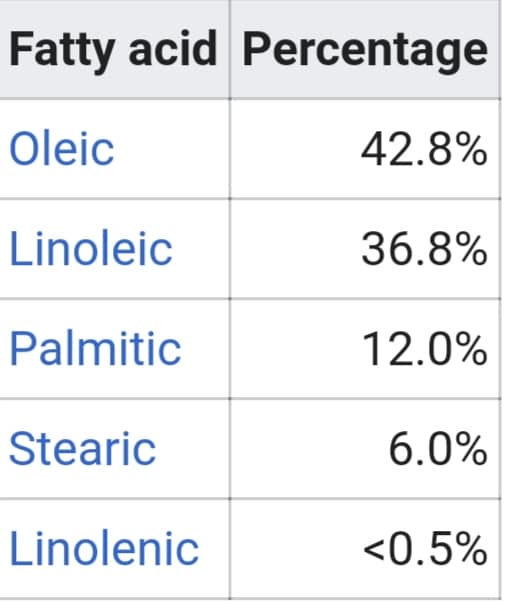
Main Components of Argan Oil

Wikipedia

Argan Oil is mainly composed of fatty acids which play a major role in aiding the skin’s natural functions. There are four ways in which fatty acids contribute to the skin’s natural process. Now, if you understand scientific terminology feel free to read the original article here, but if you’re like me and want the basics I’ve broken each function down into more simple jargon below.

Fatty Acid Functions

1) Contributes to skin’s permeability layer which allows skin to lock in water to stay hydrated.
2) Acts as building blocks and support for generation of skin’s natural oils.
3) Helps maintain skin’s homeostasis.
4) Strengthens outer skin’s barrier and acid mantle.

A Note About Linoleic Acid

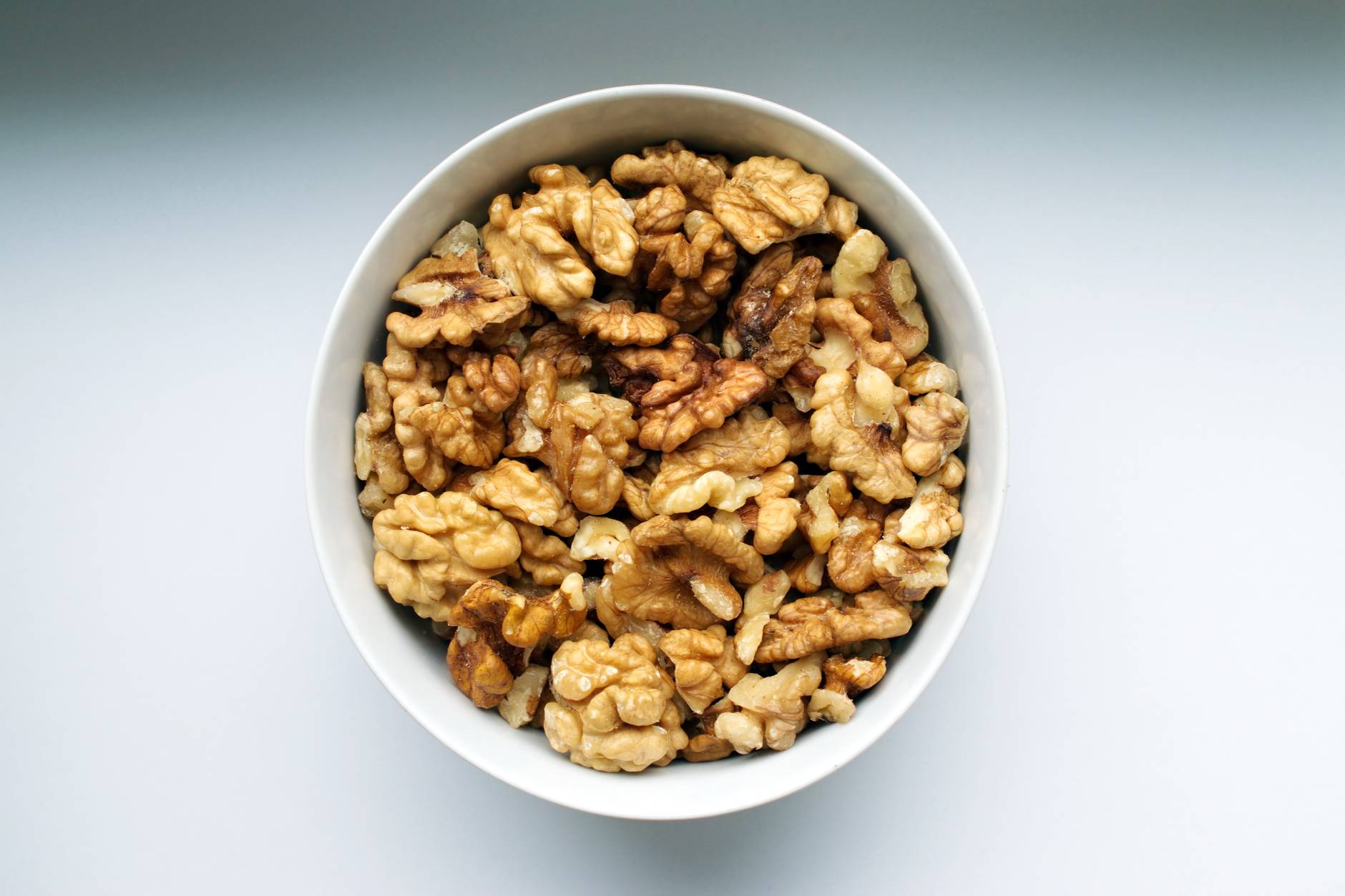
Photo by Immortal Snapshots on Pexels.com Walnuts are just one of many foods that contain linoleic acid!

“Linoleic Acid is a polyunsaturated omega-6 fatty acid and is one of two essential fatty acids for humans, who must obtain it through their diet. It is a colorless or white oil that is virtually insoluble in water. ” (Wikipedia). Linoleic is an essential addition to the human diet to avoid scaly skin. To read more about Linoleic acid and its benefits you can read this study.

Uses of Argan Oil

My wash day hair before and after deep conditioning with Argan Oil
  • Thermal heat protectant for hair: put 2-4 drops in the palm of your hand and massage into damp hair after showering. Your hair will feel silky soft after blow-drying.
  • Deep conditioner: wet hair with hot water, massage a small amount into the scalp and down the shaft of the hair, wrap with a towel, and let it sit for 15 minutes. Wash hair as usual. Alternatively, apply to dry hair before going to bed at night. Wrap in a towel and wash in the morning for soft, silky locks. Argan oil helps with dandruff and other dry scalp symptoms.
  • Makeup remover: put a couple of drops on a cotton ball and and gently remove eye makeup. Leaves the delicate skin around your eyes moisturized.
  • Facial moisturizer: apply a few drops to your delicate facial tissue and around your eyes and watch your skin soak it up and start glowing.
  • Beard oil: bearded people, you know what I’m sayin’, but if your beard needs additional TLC check out our brand new Beard Oil along with our other recently released men’s products!
  • Cuticle and nail repair serum: apply a drop to cuticles and nails at night and say good bye to cut, sore finger tips. Argan oil will strengthen and nourish your nails too.
  • Night hand oil. Two pumps rubbed into your hands before you go to bed leaves them soft and silky in the morning. (Also great for sunburns!)
  • Expectant mothers: apply organic argan oil to your tummy to help prevent and reduce the appearance of stretch marks.

What is Jojoba oil?

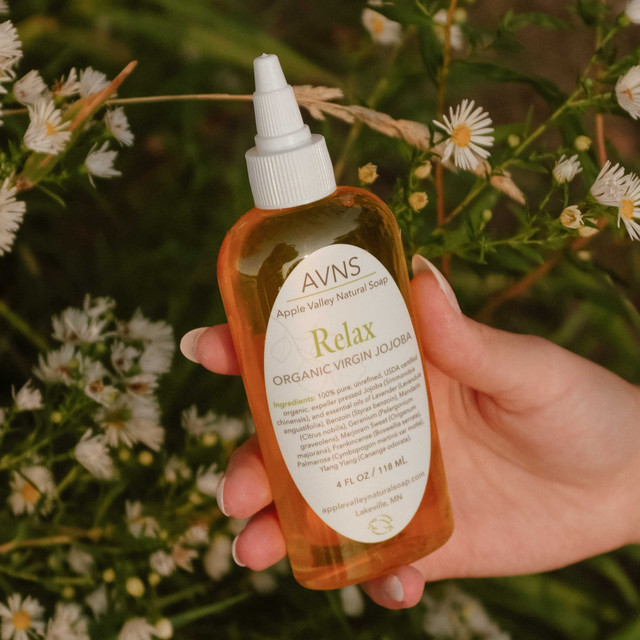
Jojoba Oil is gleaned from the Jojoba plant which can be found growing in southwestern states. An important thing to note is that, “although jojoba oil is often categorized as an “oil” because of its pale yellow, transparent, liquid appearance, it is actually a liquid wax ester” (NCBI). Before you go dismissing jojoba oil as some melted candle juice, just remember that wax ester is actually used to make the skin soft and that wax treatments are very popular at spas…so does that make jojoba oil like a secret, portable spa treatment? Try Customizable Portable Spa Treatment! We offer Customized Jojoba Oil scented with the same essential oils we use for our scrumptious soaps!

Uses of Jojoba Oil

  • Moisturize hair and skin
  • Massage oil
  • Make-up remover
  • Helps combat athlete’s foot
  • Helps rid the scalp of dandruff
  • stimulates hair growth
  • Aids in combating skin infections

While argan oil and jojoba oil supposedly share many of the same benefits, jojoba oil is known for its similar composition to skin’s natural oil: sebum. Oils are rated on the comedogenic scale on how likely they are to clog pores (zero being rarely and five being like ‘whoa, do not get near my pores’). Argan oil is a zero on the comedogenic scale and even though jojoba oil is a two, it is still widely recommended for oily skin because it is thought that it can trick the skin into producing less sebum. On the other hand, argan oil is known for its ability to combat dry skin. 

Battle of the Oils

So what happened when I tried using a different oil on each half of my body?

After showering I applied both oils to my face, hair, and body. I used Argan oil on my left side and Jojoba on my right side.

Argan Oil Vs Jojoba Oil for Skin

Skin Status: I recently realized during an informal family poll that I’m somewhat of an abnormality when it comes to bathing habits. Obviously I’m going to need to write a blog on this, but for now I’ll say that most of my skin is very balanced. I rarely suffer from over-dry or over-oily skin except on my hands, face, and back.

Hypothesis: I typically apply lotion after showering, but I hate the greasy residue left on my skin (especially when I’m trying to jam my damp legs into jeans during the winter season after that perfect shave…ew). I predicted that applying oil would yield, well, even oilier results…but I was pleasantly surprised.

Results: Both my arms and legs felt soft and moisturized after applying the argan and jojoba oil, without leaving a lot of extra surface oil to make me feel slimy or sticky. I didn’t include photos because my camera isn’t strong enough to detect any differences in my skin quality (I should invest in one of those pore-exposing skin microscopes). If to make any comparison, I would affirm that a little jojoba oil goes a long way and spreads easily, whereas the argan oil was thicker.

Argan Oil vs Jojoba Oil for Face

Skin Status: Ah, my face. As you may already know, I’ve spent a ton of time trying to get rid of my acne. I have large, visible face pores that are extremely prone to clogging and love to produce oil…so I figured my face was the perfect canvas to test out these two “miracle oils.”

Hypothesis: I actually started using these oils before this experiment to make sure my face wouldn’t have an extreme reaction.

Results: I felt as though the argan oil made more a difference in the long run, but had a heavier feel on my face, whereas the jojoba oil was super light. I’ve actually applied argan oil directly to healing acne scars on my face and I personally feel like it has made a huge difference in the healing process. My scabs seem to heal faster and I get to avoid that gross “crusty phase” because my skin stays so moisturized. I think I will continue to use argan oil as a night moisturizer and jojoba oil as a daytime moisturizer.

Argan Oil Vs. Jojoba Oil for Hair

Hair Comparison

Hair Status: I have lonnnnng (overdue for a haircut) wavy to curly hair that I work hard to keep bouncy and beautiful. I am prone to greasy roots and dry ends.

Hypothesis: I was worried that the oils might weigh my hair down. Oil is a controversial subject in the Curly World and is promoted and discouraged by curl influencers. Because the results from the skin tests were so similar, I imagined my hair would probably looks the same, but it didn’t…

Results: I was so surprised by the results after my hair finished air-drying. I even took a picture because you can see the difference in my hair. The left side with the argan oil has great definition and I love how fluffy the wave/curls look. The right side with the jojoba oil seemed to be slightly more defined, but also made my curls look slightly oilier. The biggest surprise was that the argan oil side actually looks LIGHTER? I have no reason as to why this was, maybe I used too much jojoba oil? 

You might hear curly girls rant and rave about the benefits of coconut oil for curly hair, but when I tried adding it (also used wayyyyy too much) to my own hair routine the result was a greasy, nasty, stringy mess. My curls are so sensitive, and usually anything thicker than a sour cream consistency elongates and weighs my curls down (don’t use sour cream in your hair). The lesson here is: different oils work for different hair/skin types. Not sure which to try? Get both and run your own experiment!

Much Love,

Nora

How My Acne Made Me Beautiful: The Natural Way to Help Cure Acne

I let acne define my beauty

As a teenager I spent a lot of time reassuring myself that when I was in my twenties I’d finally be beautiful. I’m not exactly sure how this hopeful and destructive mantra worked its way into my head, but I’m guessing it had something to do with my belief that acne problems disappeared when you became an adult. When I decided I wanted to write a blog about acne I wanted to include photo evidence of my own acne battle, as proof of the struggle that was most definitely real.

Taken on a camping trip in Ely circa 2015. Where are your favorite camping spots?

So for you, dear Reader, I made the long and arduous trek through my Facebook photos: a timeline of my most awkward and embarrassing years documented by photos posted with careless enthusiasm by a younger me.

I scanned every photo of myself, searching for the tell-tale traces of a bumpy forehead or a crusty, make-up coved chin spot…and came up empty. As expected, the girl on my Facebook is a total goofball (see grainy photo on the left), but unexpectedly, she’s virtually acne-free. How??

I tried to hide my acne


I grew up under a lens. At least, that’s how it felt. Facebook, Selfies, Snapchat, and Instagram are only a few examples of the visual and digital world that consumed my adolescence.

So how do you face this world when you feel like the face you have isn’t good enough? You put forth a face that isn’t yours.

So we cake on the make-up, we angle our cameras to adjust the parts of us that we don’t like, or we digitally make them disappear.

Hiding your acne won’t make it go away

I realized I didn’t need to find proof of my acne because it’s currently all over my face! And the only reason I don’t have pictures that prove I have acne is because I avoid taking them. (Although, I did find one. Please feel free to zoom in on the picture below so you can see the giant spot on the bottom right of my chin).

Taken in Bayeux, France in fall 2019.

Yes, that’s right. I’m almost twenty-two and I still struggle with acne.

And do you want to know something else?

That’s perfectly normal.

It’s okay to have acne

I am not abnormal for having acne, and neither are you. In fact, according to Mayo Clinic, “For many women, acne can persist for decades, with flares common a week before menstruation.”

Decades.

While this information is comforting in its unifying nature, it still won’t cure the actual acne.

Getting rid of acne

Acne, pimples, zits — like adorable puppies — come in many shapes and sizes, grow rapidly, and typically in batches. Puppies are pretty great, but if you had to walk around with five of them hanging off of your face and biting you, you’d probably change your mind pretty quickly.

Now, if all the puppies on your face happened to be labrador retrievers, you could probably get rid of them by throwing a stick. However, oftentimes we find ourselves with a variety of puppy breeds on our faces so even if you get rid of the labradors you still have four terriers gnawing your chin. This isn’t an easy problem to solve, in fact, I spent about half my life trying to figure it out.

I’ve tried just about everything to get rid of acne over the span of ten years. When I saw a dermatologist as a teenager I was given a harsh face wash and a salve that smelled like rotten eggs. I eventually tried a three step acne kit that cleared my face somewhat and bleached all of my towels.

When I got tired of smelling like a floor-cleaning solution factory, I gave up and tried water-only rinsing my face twice a day which worked until it didn’t. At this point, I became desperate and went into a chaotic DIY phase. I made homemade face scrubs from anything I could find in my kitchen (would not recommend) and once I even covered my face with peanut butter (would really not recommend). I disliked the thought of switching back to something with harsh chemicals, but I felt like I didn’t have other options.

A natural solution for acne

It didn’t matter if I had one tiny pimple or a huge acne flare-up. I realized that the problem had less to do with whether I had acne or not and more to do with how I let my appearance dictate my sense of worth and value.

A few months ago I tried a sample of the  Honey Carrot and Tangerine Face and Body Bar. When I woke up, the painful cyst on my chin was barely there so I continued to use it for the rest of the week. During that week I had the clearest, most beautiful skin I’ve ever had (included proof in the picture below). This bar smells like glowing memories: a warm, happy deja vu…and can be used with any skin type.

Besides minimizing my acne, I felt like the Honey Carrot Bar also brightened my complexion and lightened my darker acne scars.

I was so thrilled with the results that I ordered the next biggest size along with a sample Acne Battle Bar, because my skin tends to get oily and I wanted a cleanser that would tackle everything from whiteheads to cysts. The Acne Battle Bar is packed with antibacterial, moisturizing and exfoliating ingredients like grapeseed oil and oatmeal…and the reviews glow as much as I want my skin to. Of course, I didn’t want my roommate to be jealous when all my fantastic soap arrived wrapped neatly in Tiffany blue tissue paper, so I had to order a sample Calendula Castile Bar for our bathroom counter, perfect for my roommate’s eczema (and also for my sensitive skin!). 

Because Apple Valley Natural soap is made with natural ingredients, it doesn’t cleanse with harsh chemicals and detergents that dry out your skin. Instead, our soap contains natural glycerin, a byproduct of natural oils and fats. Glycerin works as a humectant and draws water into the skin while also strengthening it. Studies have shown that Glycerin hydrates and improves the skin’s ability to defend against harmful agents, allowing it to act as a natural and effective cleanser.

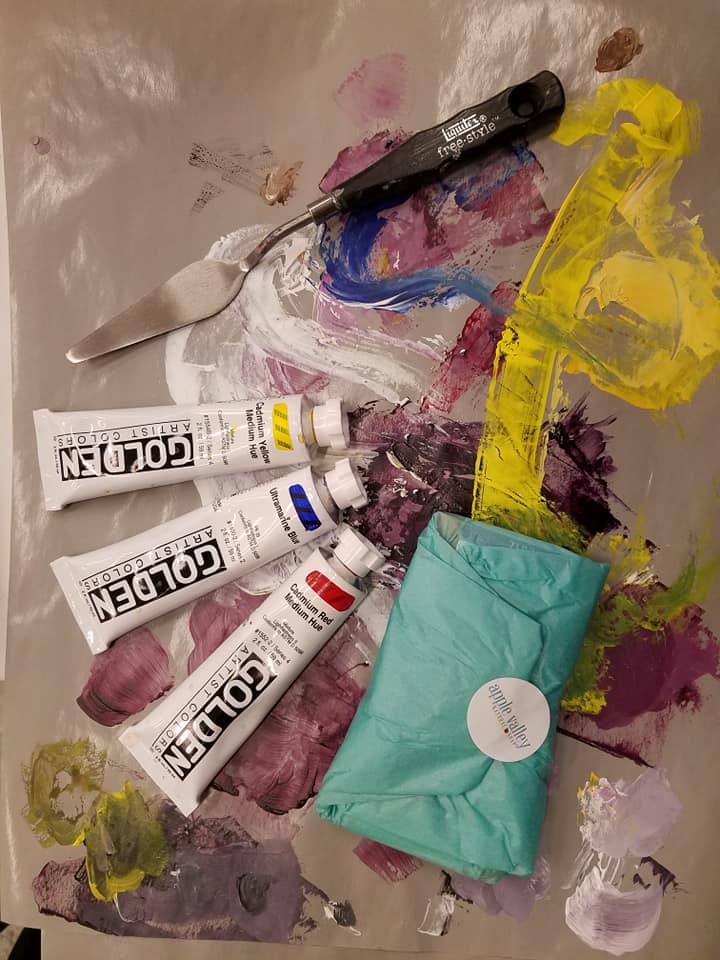
I went to art class right after picking my package up and decided to have an impromptu photo shoot with my soap and my art supplies.

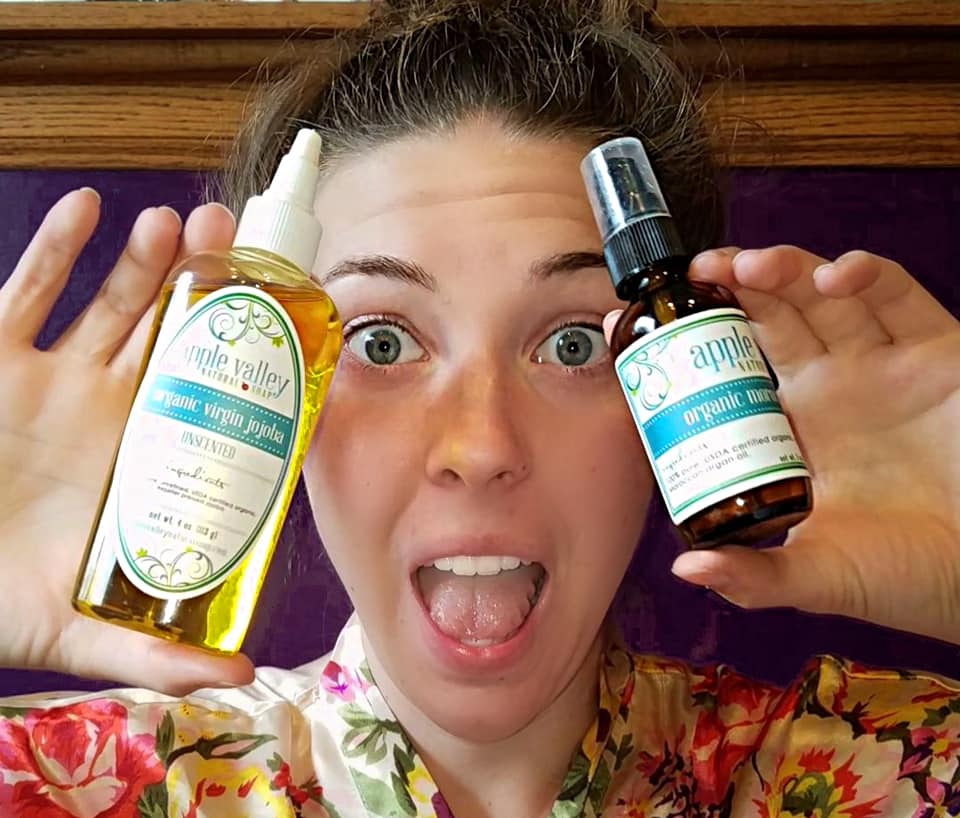
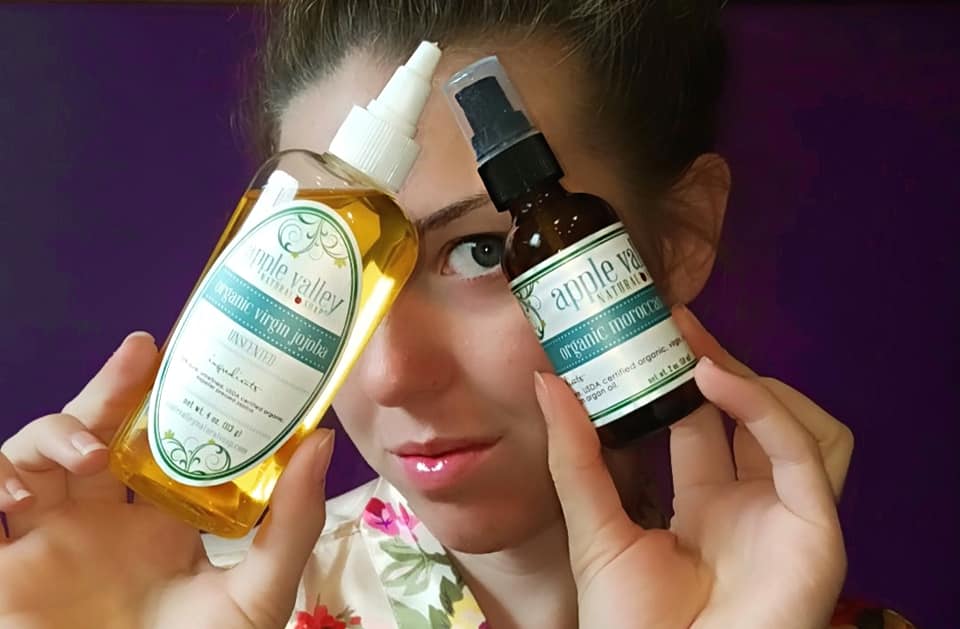
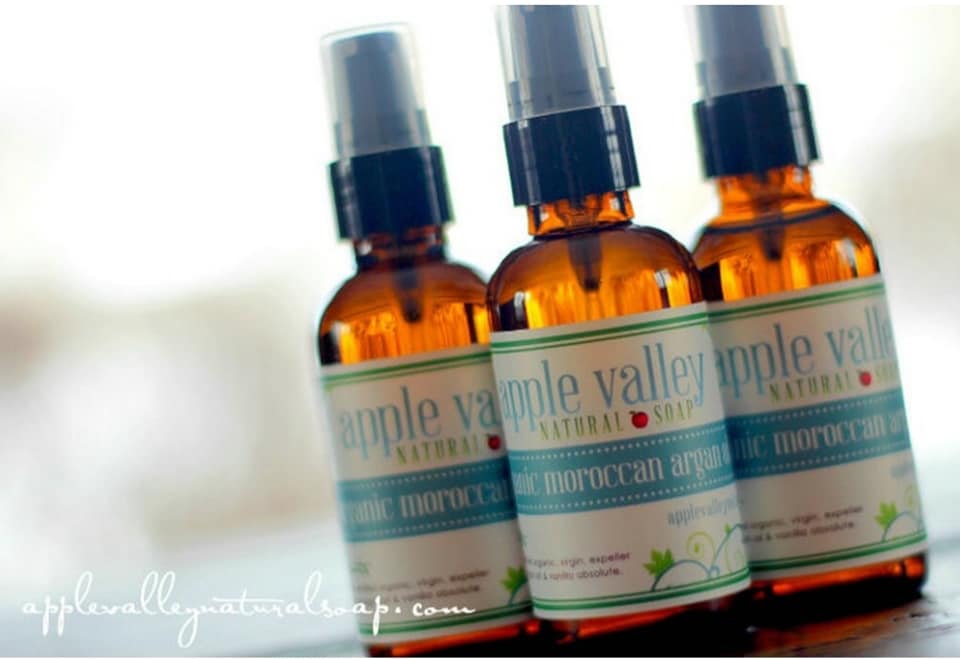
These bars are working wonders and I love using a small pump of Organic Moroccan Argan oil for an extra moisturizing boost.

If you suffer from dry skin, the Antioxidant Beauty Facial Soap Bar is packed with vitamins that will pamper and brighten your skin. Regardless of your skin type, you should try to keep your skin hydrated and clean. I do this by trying to drink at least six glasses of water a day and changing my pillowcase every week. 

You define your own beauty

My acne is hormonal, which means that sometimes the only real way to get rid of it is time. My acne makes me beautiful because it reminds me that I am more than my appearance. I love, love, love using Apple Valley Natural Soap to wash my face. Even when there’s nothing I can do about my acne, washing my face makes me feel beautiful because it smells SO amazing and feels soooo dreamy.

As I scrutinized pictures of myself for flaws I could expose for the purpose of this blog, I continually caught myself on this heartbreaking thought: “She’s so beautiful, and she didn’t know it.” I still criticize my appearance all of the time, when I should be appreciating the beauty I already have. I celebrate my younger self for her beauty: her beautiful intellect, her beautiful humor, her beautiful thoughtfulness. God made everyone with natural beauty, inside and out. We hope that our products will encourage your natural outer beauty, so that your inner beauty can shine.


Everything You Need to Know About Castile Soap

How is my love for acting related to Castile soap?

When I play a character in a show, I not only get to fill their shoes, I also trace their footsteps. 

Here I am with my fellow actor Dah in our production of I Hate Hamlet. I absolutely loved my costumes for this show…I felt like a princess!

Because of this, I’ve travelled through a number of character paths that have taken me around the world: I’ve stolen a Commedia dell’arte romp through the winding canals of Venice, floated through the dreamscape of Charles Dickens’s London, explored the historical and haunted flats that make up the New York City skyline, and washed a peasant’s laundry in (and I think you’ll see where I’m going here) Castile, Spain.

Castile? Wait, isn’t that a type of soap?

You guessed it!

The history of soap

Early soaps were made from combining animal fats and plant oils with salt or ash. This primitive soap was used for cleaning cooking utensils and medicinal purposes rather than for beauty and personal hygiene. As soap making became more refined it also became more expensive because it required both technique and coveted family recipes. Prices only dropped after production became more mainstream when chemicals were introduced to simplify the process.

What is Castile Soap?

Castile soap has been around for quite some time, but unlike the first soaps ever made it does not contain animal fat or ashes. However, a traditional Castile soap is also free from modern chemicals used in most mass-produced soaps.

So if it doesn’t have chemicals or animal byproduct, what exactly is it made of?

Olive oil.

And I’m sure you already guessed where those olives were grown.

Spain exports the world’s majority of olive oil and the production of olive oil in Spain can be traced back about 3,000 years. Although Castile soap got its name from a specific region in Spain, Castile soap can be made with olive oil from anywhere…which has its disadvantages.

The benefits of olive oil in Castile soap

Because Castile soap is generally defined as soap made with olive oil, many companies can get away with using small quantities of low grade olive oil while still labeling the soap as “Castile Soap” This soap will not have the same benefits as a soap composed of high quality olive oil.

Now, the advantage of using olive oil from outside of Castile is that it allows us to pick from the best. In keeping with the origins of the first Castile soaps, our organic virgin olive oil is sourced mainly from the Mediterranean region. Our true Castile soaps provide a gentle cleanse and act as a nourishing moisturizer. Our virgin olive oil is chemical free and retains its vitamin content, the reason behind olive oil’s health benefits (especially vitamin E). Vitamin E protects skin from the damage of free radicals and can help alleviate symptoms of eczema.

We choose to go organic with our virgin olive oil and many of our other products to promote the protection of the earth and water from harmful pesticides and we want our Castile soap to do the same for your skin. Our Calendula Castile Bar is the perfect soothing solution for sensitive skin (babies would highly recommend it…if they could talk). Our Lavender Castile Bar will create a calming, creamy lather…perfect for shaving! I know I’ve got the Lavender Orange Castile Bar on my wish-list and I’ve got an audition for Antigone tomorrow so I’m ready to get into character (Greece likes its olive oil too!)

Wish me Luck!

Nora


How to Achieve the Perfect Shave in Under Ten Minutes

We’ve all been there

It’s a frigid Tuesday, the most unassuming day of the week. Sweater weather is in full swing — even though it’s February — and snow swirls in gusts outside your window. You’ve just lit one of your favorite candles and are curled up on the couch pretending to read a good book while you secretly binge-watch “Grey’s Anatomy” (Season three) for the seventeenth time. Nothing like the perfect night off.

Then it hits.

The unexpected need to shave

Your husband comes home determined to whisk you off on a spur-of-the-moment romantic date. The girls call, you haven’t seen them for ages and they’re getting together tonight for pedicures. You’ve been promising your kids you’ll take them to the community center pool and tonight they’re not taking no for an answer. You spring into action, but as you’re pulling out the cute black dress, pedicure appropriate khakis, or kid-proof swimsuit — the thought hits you: when was the last time I shaved my legs?

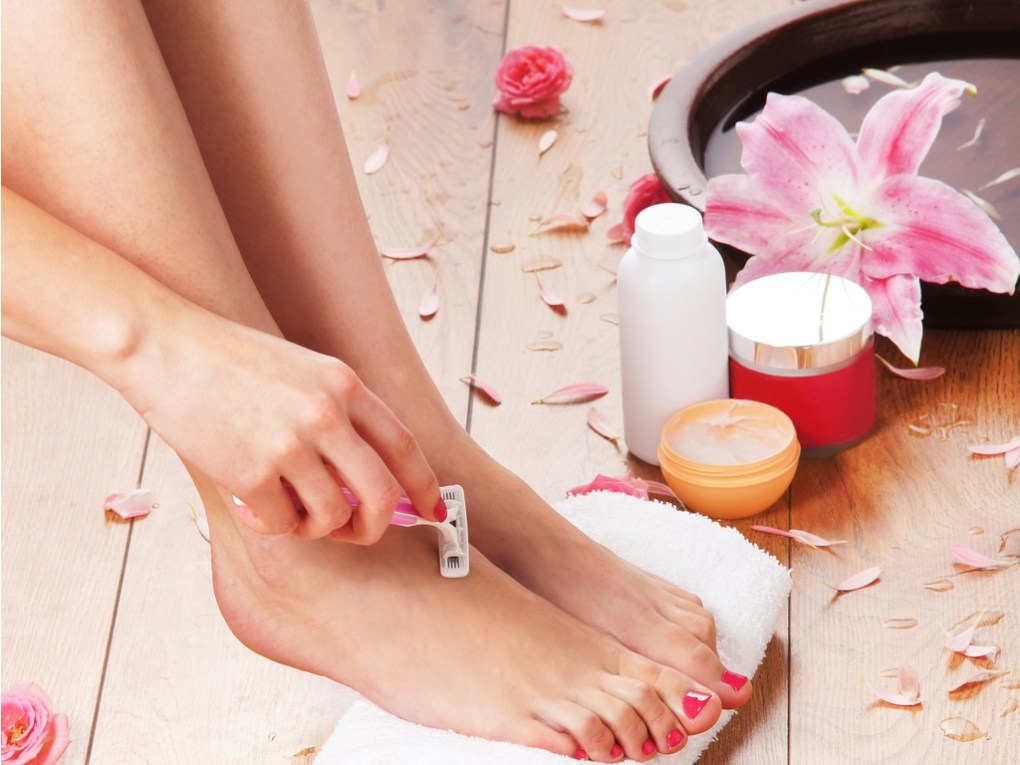
Next thing you know, you’ve stripped off your fluffy pajama pants and staring up at you are your two, hairy Chewbacca legs. You’ve literally been caught with your pants down and you only have ten minutes to achieve the perfect shave.

There are those of you who do not shave, I applaud you. Smooth legs are a preference and they may not be yours and that is okay because your legs are beautiful with or without hair and you know it. While I would someday like to grow my leg hair out long enough to knit around myself, I cannot resist the feeling of freshly shaved legs against smooth sheets. For those of you who feel the same way — let’s figure out how to get you and your smoothest legs out the door in the next ten minutes.

How to get smooth legs quickly

Step One: Let ‘em Soak

As tempting as it is to give your legs a one-second splash before you get razor crazy, you’ll actually benefit from a longer soak. According to Dr. Christy Rainey, MD, a board-certified dermatologist, the warm water will open your skin follicles, leaving your hair shaft better exposed for a closer shave.

Step Two: Exfoliate First

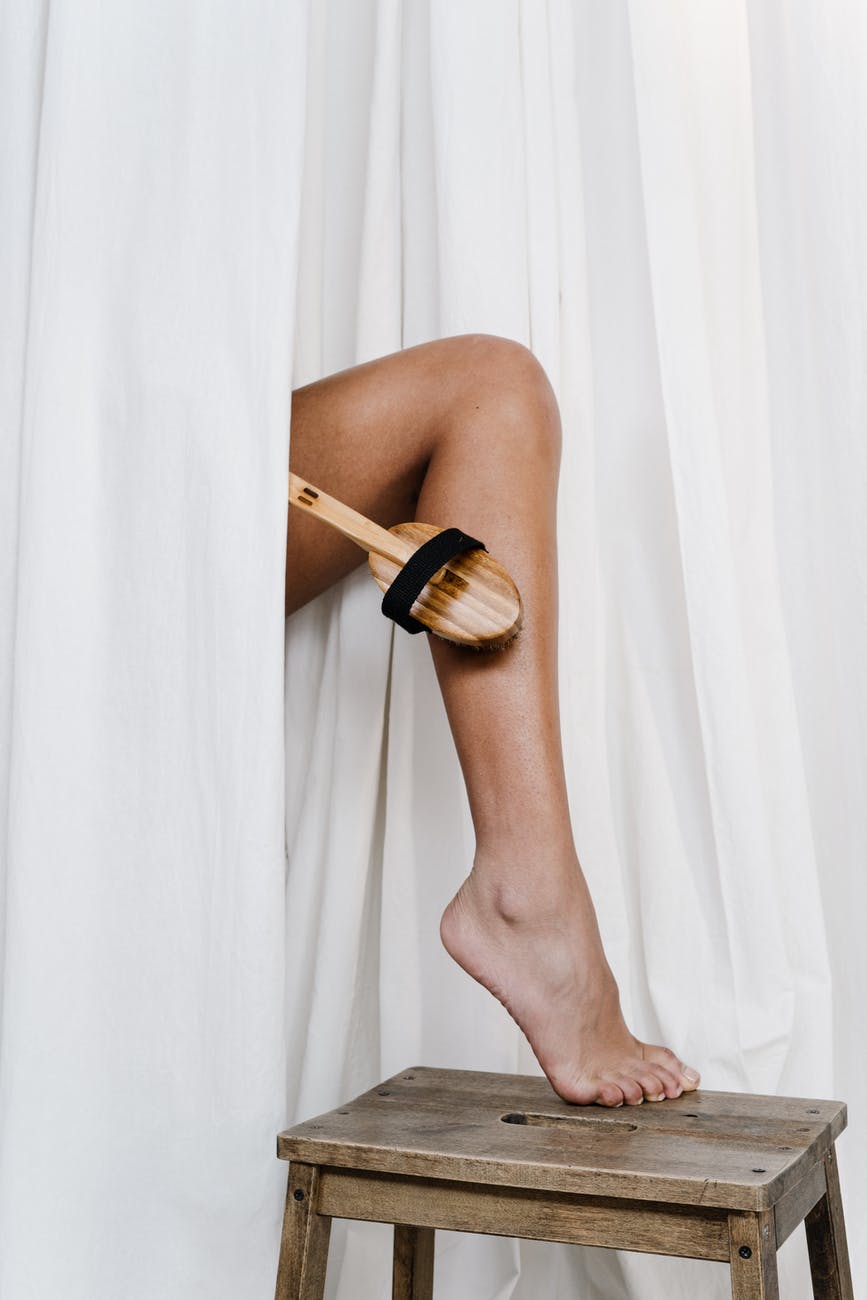
Exfoliating is the best way to prep your skin for a smooth shave. After you’ve soaked for a minute or two your top layer of skin will be soft. When you exfoliate, you gently remove all the grime and dead skin that has accumulated on the surface of your skin, clogging your pores. Removing the build-up will let the razor glide over your skin and the circular motion of your exfoliation will help position your hairs upright so that the razor can cut them. The Sweet Rosehips Body Polish is a gentle scrub that will leave your skin smelling sweet and feeling soft.

Step Three: Lather Up!

Once your bristles are ready it’s time to get the soap out. I used to rely on shaving cream and let me tell you, more times than not I’d end up reaching for an empty aluminum can of disappointment. Left with no choices, I’d resort to whatever cheap body wash someone else had abandoned and often times it left me with dry, scaly legs. Thankfully, you can eliminate waste and double up by simply using an AVNS body bar. The Rosemary Lavender Coconut Bar or Wildflowers Coconut Bar can be worked up into an incredibly thick and luscious lather, will last longer, give you a natural cleanse and provide additional moisture.

Step Four: The Razor Race

At this point, it’s up to you. You know your legs and you know how to shave them. Long, even razor strokes and frequent razor rinses will keep you from getting burns and cuts.

Step Five: Moisturize. Moisturize. Moisturize.

The body scrub I mentioned above is fantastic because it often a provides a two-in-one exfoliant and moisturizer. But if you’re heading out into the frozen tundra and are prone to dry, winter skin, you’ll need to lock in all the moisture possible. Using one of our Lavender Lotion Bars or Lavender Vanilla Baby Butter will not only give you baby-soft skin, the organic lavender essential oil we use may also help heal and protect any micro cuts left by your razor. 

Step Six: Stock Up

You never know when the unexpected may strike. Having products ready will prevent you from having to undergo the dreaded dry-shave. But guess what? As thrilling as the unexpected is, you never need a reason to pamper yourself other than the fact that you deserve it!

Much Love,

Nora

The Natural Benefits of Mint You Never Knew About

Mint is everywhere

Buying toothpaste is probably one of the most mundane errands in existence. You can stand in the dairy section of a store and spend half an hour picking out which flavor of ice cream you want, but visit the toothpaste shelf, or even the entire dental hygiene aisle and you’ll be overwhelmed by one flavor: mint. Considering this minty domination, it’s no surprise I’ve always taken mint for granted…until I started college.

How mint saved me from spiders

I lived in a triple room on an all-girl floor my Freshman year of college and we had a communal bathroom with shower stalls (they were the size of telephone booths, I kid you not). One day halfway through first semester I was on my way to shower when I noticed a funny bit of grey fluff on my comforter at the base of my bottom-bunk. As my hand fluttered down to flick it off, eight thick legs unfolded from around the fluff and the fluff itself began to scuttle. My hand shot back and I kicked up my legs as I gave a loud, surprised shriek as I realized that the grey fluff was actually a big, grey spider. Not one of those wimpy, spindly things, but an armored tank of a spider who had claimed my bed as its own and was willing to go into battle if I refused to surrender. Even now I feel slightly chilled thinking about it.

Once I knew my bed was not spider resistant, my small, cozy room became a scary, spidery place. In my imagination, spiders lurked everywhere. In my pockets, under my bed, and in my shoes. I was living in terror, so I did what any smart, terrified girl would do…I called my parents.

For the rest of the week I dreamed of all the heavy duty traps and snares my mom would bring me to defeat the spiders. I pictured mini spider cages with steel bars so strong no amount of extra legs could bend them and web weakener serum that would discourage the spiders from building webs anywhere near me. I was a little disappointed when my mom showed up armed with only two sticky traps and a little bottle of…what?…peppermint essential oil?


“Peppermint repels spiders,” my mom said.

Huh, sure it does

Despite being skeptical, I took my mom’s advice and for the rest of the year I crawled under my bed once a week and dispensed a few drops of peppermint oil along the baseboard of the wall. My roommates thought I was crazy, but I never saw another spider in my room.

Now, as to whether the spiders fled in response to the peppermint oil or just sensed a hostile vibe in the room and decided to skedaddle will forever be a question that keeps me up at night, but rest assured that there are some things I do know about mint.

What is Peppermint?

While we all know and love peppermint for its instant aroma of winter cheer, what you maybe didn’t know is that peppermint is a hybrid of spearmint and water-mint…that makes it like the golden-doodle of plants, right? Containing organic, Fair Trade peppermint essential oil from India and spearmint essential oil from Indonesia, both the Juniper Mint Castile Soap and the Matcha Mint Soap provide a big scrubba-dub-dub of rejuvenation. Did I mention that the Matcha Mint Bar also includes a refreshing measurement of matcha magic?…a matcha made in heaven!

How mint works to benefit skin

The rejuvenating quality of mint comes from the compound menthol. According to U.S National Library of Medicine, menthol triggers a specific receptor in our skin and the reaction is a cool-sensation. This creates a soothing feeling, which is especially great if you’re looking for the perfect exfoliation!

Toothpaste may be boring, but AVNS makes mint fun. You can choose from an amazing selection of minty combinations (including Rosemary Mint and Grapefruit Mint) and if you use a body or shampoo bar containing peppermint –like the Peppermint Tea Tree Shampoo Bar — who knows? You might even repel spiders! Only one way to find out!