Did You Know These 15 Surprising Uses for Castile Liquid Soap?

How One Plant-Based Soap Can Replace Half Your Cleaning Cabinet, Naturally

What to Remember 🌿

🔲 From all-purpose cleaner to pet shampoo and even stain remover, castile liquid soap replaces multiple household products with one natural solution. 

🔲 Made from plant oils like olive and coconut, castile soap is a natural organic handmade soap alternative that’s gentle on your skin and safer for the environment. 

🔲 Instead of buying five different cleaners, you invest in one highly concentrated product that does it all, saving money and cabinet space. 

🔲 No synthetic fragrances. No mystery chemicals. Just clean ingredients that make it easier to create a chemical-free, eco-friendly home.


If you’ve ever looked at a bottle of castile liquid soap and thought, “It’s just soap… right?”, oh friend, you’re in for a bubbly surprise.

This humble, plant-based powerhouse has been quietly multitasking for centuries. From sparkling kitchens to happy skin, from muddy paws to makeup brushes, castile soap might just be the most overqualified bottle in your home.

Whether you’re into natural organic handmade soap, trying to detox your cleaning cabinet, or simply curious about everything we need to know about castile soap, this guide will walk you through it, educational, slightly funny, and beautifully practical.

Grab your favorite cup of tea. Let’s lather up.


What Is Castile Soap And Why Is Everyone Obsessed With It?

Originally from the Castile region of Spain, traditional castile soap was made purely from olive oil. Today, modern versions may include coconut, hemp, jojoba, or other plant oils, but the soul of it remains the same.

What makes it special?

🌿 Plant-based oils 

❌ No animal fats 

🌎 Biodegradable 

💧 Highly concentrated 

🧴 Gentle yet effective

In short, it’s the minimalist of soaps. No drama. No mystery chemicals. Just clean ingredients doing their thing.

If you’ve been searching for:

  • natural organic handmade soap
  • non-toxic home cleaning alternatives
  • eco-friendly liquid soap for home
  • multi-purpose natural cleaner
  • chemical-free household products

You’re exactly where you need to be.


15 Surprising Uses for Castile Liquid Soap Around Your Home

Ready? Because this one bottle is about to replace half your cleaning cabinet, and look aesthetic while doing it.

⚡ A note before you start: Our castile soap is super concentrated, much more so than other castile soaps on the market. This means you need significantly less than you might expect. Always start with less and add more if needed. Using too much can leave a sticky residue, so when in doubt, go lighter!


🧽 1. All-Purpose Surface Cleaner

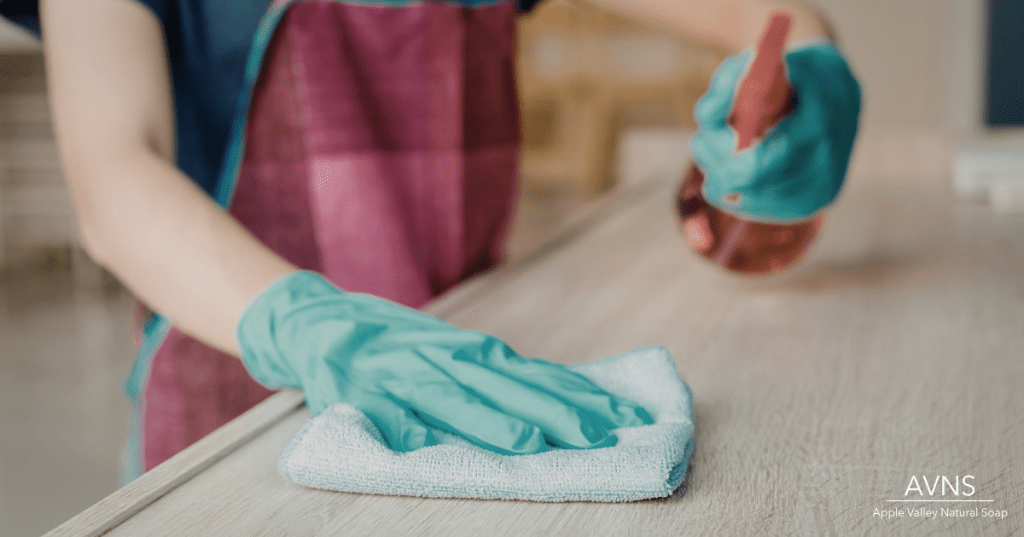
Most store-bought surface sprays are 90% water and 10% chemicals you can’t pronounce. Castile soap gives you the same cleaning power with ingredients you can actually read.

Mix: 1 to 2 tablespoons castile soap + 1 liter (about 1 quart) warm water 

Use: Countertops, sinks, dining tables, light switches.

This is your everyday go-to spray, once you make it, you’ll wonder why you ever bought anything else.


🍽️ 2. Natural Dishwashing Liquid

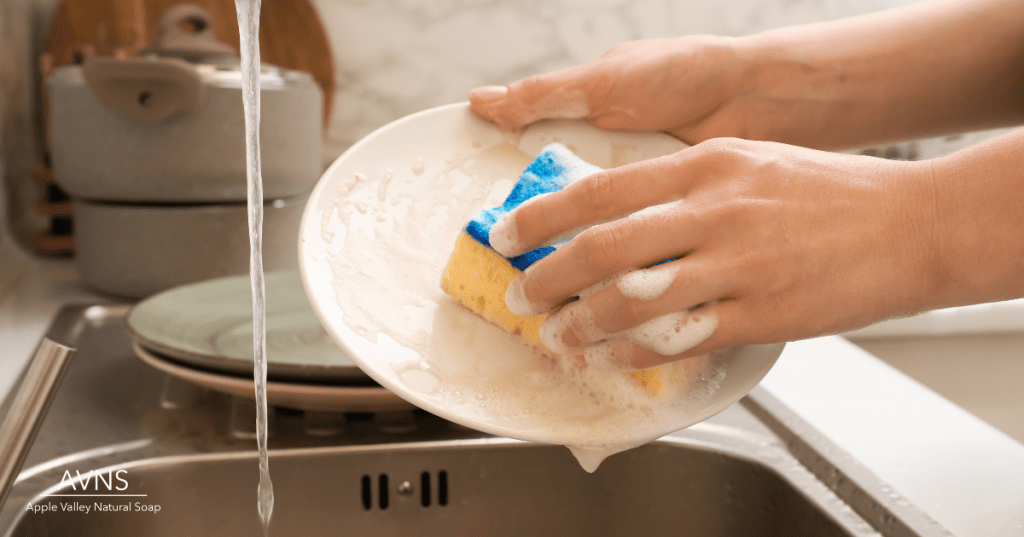
Add a few drops directly to a wet sponge, or create a diluted bottle to keep by the sink. It cuts through grease without leaving synthetic fragrance on your plates.

Mix: 1 to 2 tablespoons castile soap + 1 liter (about 1 quart) water

Use: Everyday dishes, pots, and pans.

No foam overload, no chemical aftertaste, just clean dishes and a cleaner conscience.


🫧 3. Floor Cleaner

Works beautifully on tile, sealed hardwood, and laminate. Add it to a warm mop bucket and you’re done, no rinsing required, no residue left behind.

Mix: 1/8 to 1/4 cup castile soap + 1 gallon warm water

💡 Avoid on unsealed wood or natural stone. Mop, air dry, admire the shine. Bonus: your floors won’t smell like a hospital corridor.


🤲 4. Hand Soap

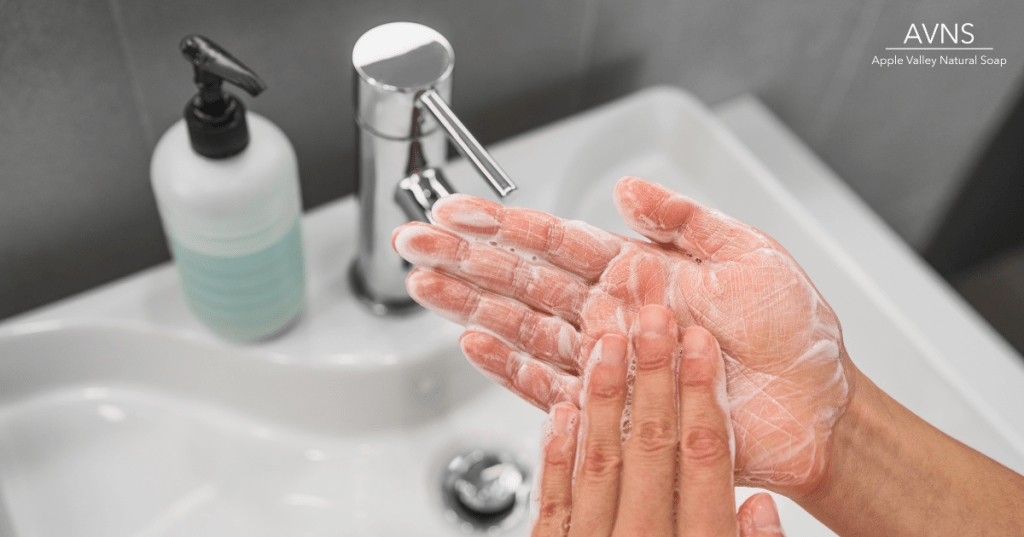
Most liquid hand soaps are loaded with synthetic antibacterial agents and artificial fragrance. Diluted castile soap is gentler, just as effective, and far kinder to dry or sensitive skin.

Mix: 1 part castile soap + 5 parts water

Optional: Add 5 to 10 drops lavender or tea tree essential oil.

Pour it into a pump dispenser and you have your own natural organic handmade soap experience, without the boutique price tag.


🚿 5. Body Wash

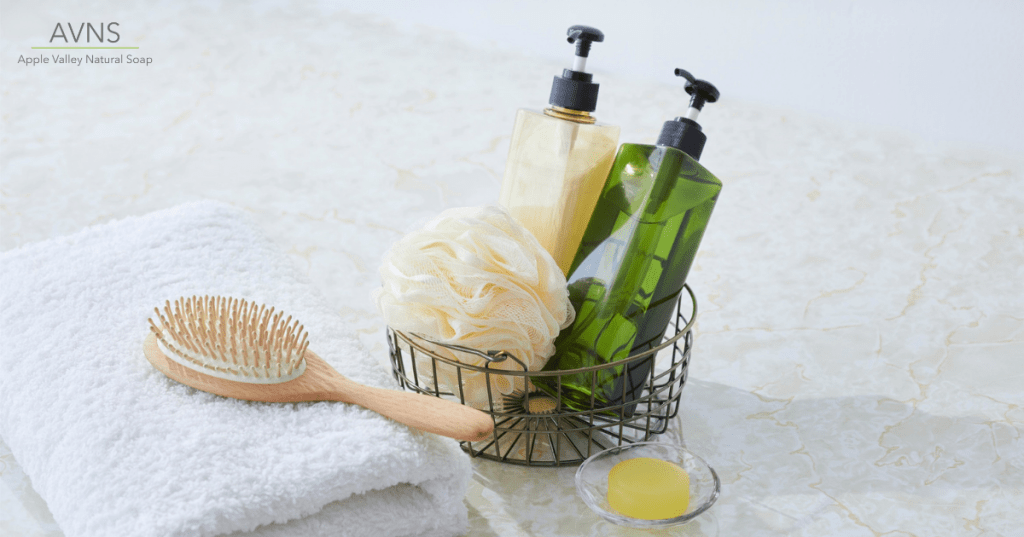
Castile soap works beautifully as a body cleanser. Dilute slightly (especially for sensitive skin), lather with a loofah, and enjoy that clean-but-not-stripped feeling. No tight, dry sensation afterward.

Use: A few pumps diluted in a bottle, or directly on a loofah.

Think of it as spa energy in a bottle, minus the $40 price tag.


💄 6. Makeup Brush Cleaner

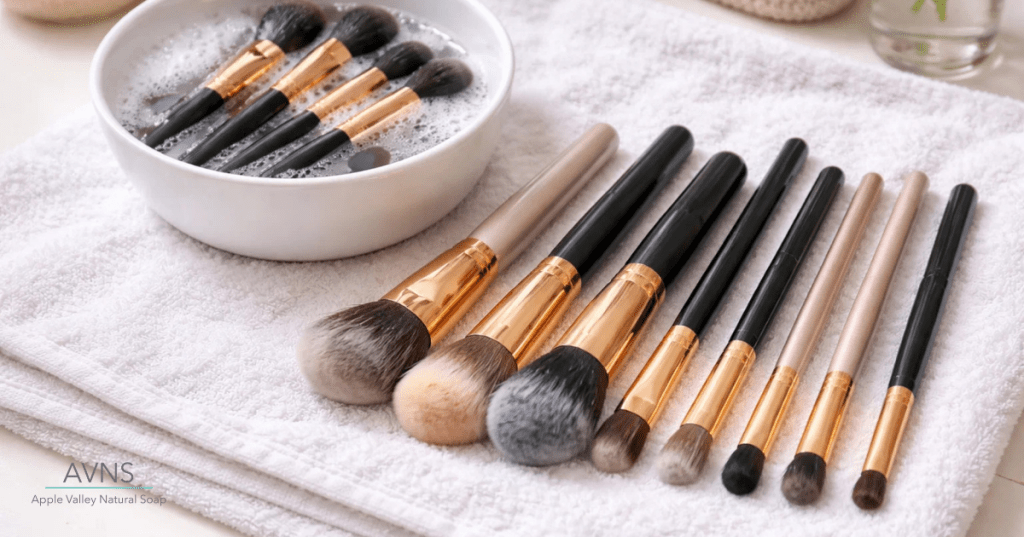
Foundation, blush, and contour build up in your brushes fast — and that buildup leads to streaky application and skin breakouts. A quick castile soak solves both problems.

Mix: 1 cup warm water + 1 teaspoon castile soap. Swirl brushes gently, rinse, lay flat to dry.

Your brushes will be softer, your blends will be smoother, and your skin will thank you.


🍎 7. Fruit & Vegetable Wash

Produce picks up pesticide residue, wax coatings, and handling grime throughout the supply chain. A diluted castile wash rinses it all away without affecting the taste or safety of your food.

Mix: 1 to 2 drops in a bowl of water. Swish produce, soak briefly, rinse thoroughly.

Because apples should taste like apples, not like whatever was sprayed on them six weeks ago.


🐾 8. Pet Shampoo

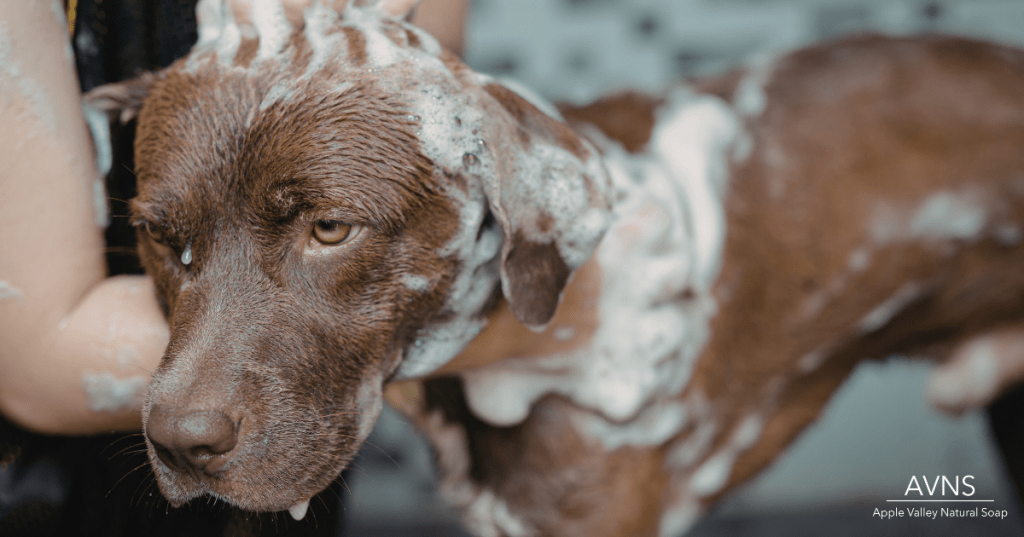
Most commercial pet shampoos contain harsh detergents and synthetic fragrances that can irritate your pet’s skin. A generously diluted castile solution is gentle enough for most dogs and cats, and leaves fur soft and clean.

Dilute: 1 part castile soap + 4 parts warm water. 

Avoid: Eyes and sensitive areas.

💡 Always patch test on a small area first, especially for pets with sensitive skin.

They may not appreciate the bath, but they’ll smell amazing, and so will your car seat on the way home.


👕 9. Laundry Booster

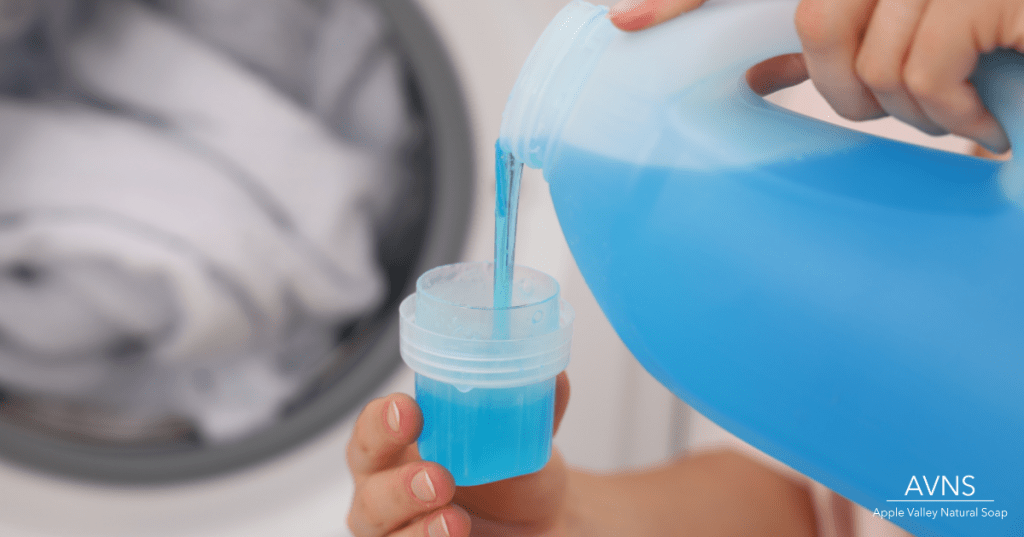
Castile soap works best for lightly soiled loads or as a pre-soak. Add it directly to the drum before loading, and skip the fabric softener — it’s not needed.

Add: 1 to 2 tablespoons per load

Best for: Cotton, linen, and lightly soiled items.

💡 Not ideal for hard water areas, mineral buildup can cause residue. Try adding white vinegar to the rinse cycle.

A cleaner wash with no artificial scent cloud following you down the hallway.


🚽 10. Toilet Bowl Cleaner

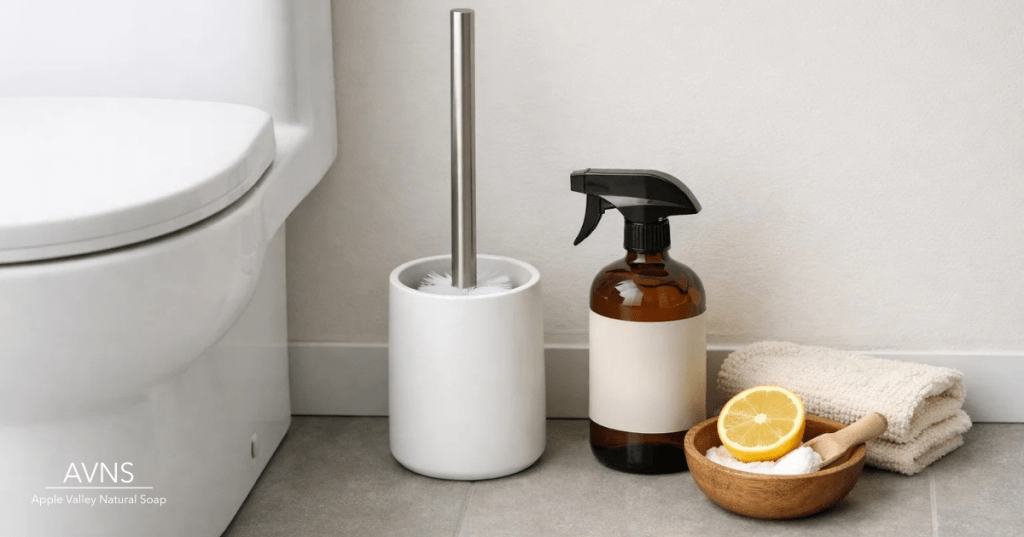
Pour castile soap into the bowl, let it sit for a few minutes, scrub, and flush. It cleans effectively without toxic fumes that make your bathroom feel like a chemistry lab.

Pour: A small squirt directly into the bowl. Scrub, let sit 5 minutes, flush.

Simple, effective, and oddly satisfying. Clean bathroom. Zero drama.


🪟 11. Window & Glass Cleaner

The key here is using just a tiny amount, too much soap will leave streaks. A light mist followed by a microfiber wipe gives you crystal-clear glass without harsh chemical fumes.

Mix: 1 teaspoon castile soap + 1 liter water. Spray lightly, wipe with a clean microfiber cloth.

No fumes, no headaches, no mystery ingredients, just clean windows you can actually see through.


🪒 12. Shaving Soap

Diluted castile soap creates a light, slippery lather that reduces razor drag and lets the blade glide smoothly. It’s a surprisingly effective minimalist shaving solution.

Use: A few drops diluted with warm water, worked into a light lather.

Minimalist grooming, unlocked. One fewer product, one smoother shave.


🌿 13. Plant Spray for Pests

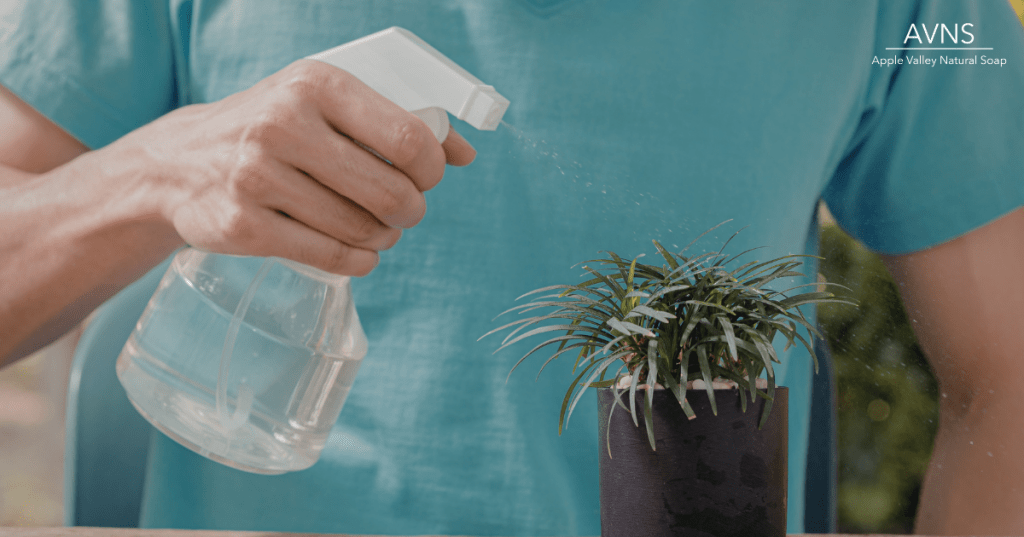
A diluted castile soap spray deters common houseplant pests like aphids, spider mites, and whiteflies, without leaving toxic residues that harm the plant or the soil.

Mix: 1 teaspoon castile soap + 1 liter water. Spray lightly on leaves, test one leaf first.

💡 Spray in the evening to avoid sun amplifying the soap on leaves. Rinse off after 24 hours.

Happy plants, no chemicals, no fuss. Your monstera will breathe easy.


🫙 14. DIY Foaming Hand Soap

All you need is a foaming soap dispenser (widely available and inexpensive) and a very diluted castile mix. The dispenser does the foaming work, you just enjoy the result.

Mix: 1 part castile soap + 5 parts water. Pour into a foaming dispenser and you’re done.

Instant Pinterest-worthy bathroom counter. Guests will ask where you bought it.


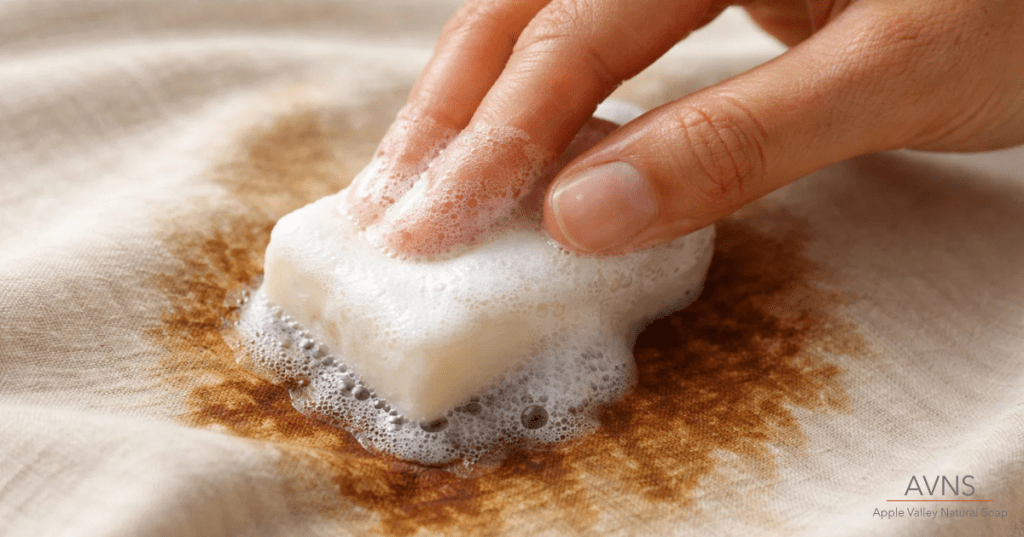
☕ 15. Emergency Stain Remover

Coffee down your shirt at 8am? Muddy paws on the couch? Castile soap is a fast, gentle first responder for most fabric stains when applied quickly.

Dab: Diluted castile soap directly onto the stain. 

Rinse: Gently with cool water. Repeat if needed.

Crisis managed. Dignity preserved. You’re welcome.


Is Castile Soap Actually Worth the Hype… or Just Another Trend?

Let’s clear up the most common questions.

Is It Safe for Sensitive Skin? Yes, especially unscented varieties. Since it’s free from synthetic detergents, many people find it gentler than conventional soaps. Always patch test first.

Can It Replace All My Cleaning Products? Almost. Avoid using it on marble, natural stone, or very hard water areas (it may leave residue). For most everyday surfaces, though? It performs beautifully.

Why Does It Feel Different? Because it doesn’t rely on synthetic foaming agents. Less foam does not mean less clean. Foam is drama. Clean is science.


Why Castile Soap Fits

If you’re reading this far, you’re not just curious. You’re deciding.

You want:

  • A natural organic handmade soap
  • A multi-use product
  • A safer home
  • A minimalist lifestyle
  • A sustainable alternative

Castile soap checks every box.

Instead of buying dish soap, hand soap, body wash, floor cleaner, and pet shampoo separately, you invest in one thoughtfully made product. That’s eco-friendly. That’s cost-effective. That’s intentional living.


How to Choose a High Quality Castile Soap

Not all soaps are created equal. Look for,

✔ Certified organic plant oils 

✔ Transparent ingredient list 

✔ No synthetic fragrance 

✔ No parabens or sulfates 

✔ Biodegradable formula

If it aligns with clean beauty and clean living standards, you’re on the right track.


The Subtle Joy of Simplicity

There’s something quietly beautiful about replacing clutter with intention.

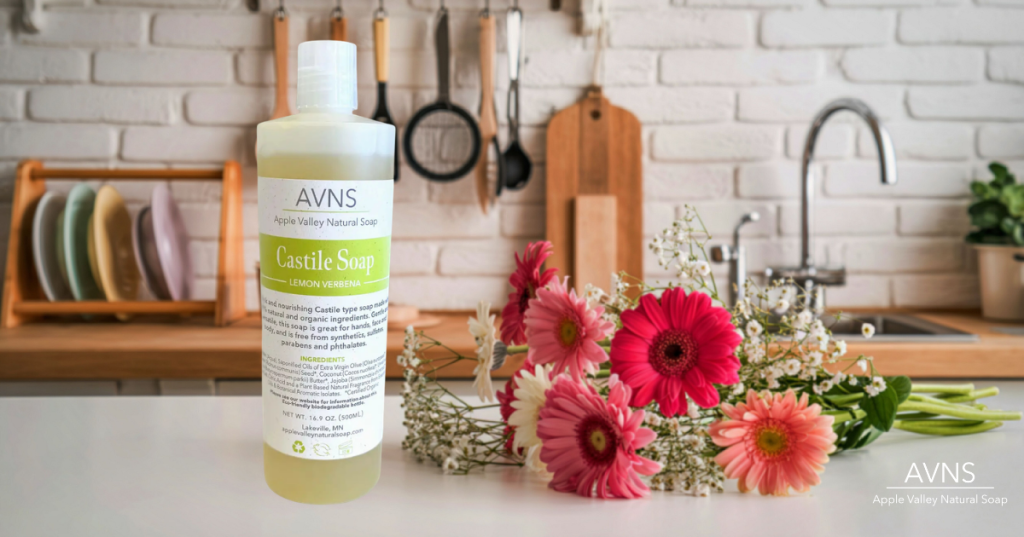
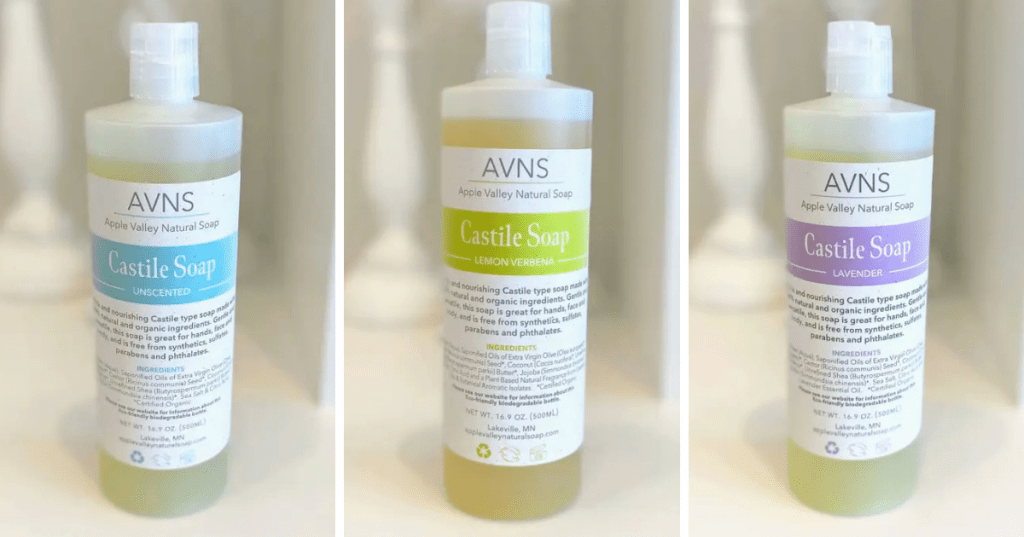
One amber bottle on your counter. One scent drifting softly through your home. One ingredient list you can actually pronounce.

Castile soap isn’t just practical. It’s a shift toward slower, softer, more mindful living. And honestly? That energy changes a space.


One Bottle, Infinite Possibilities

Did you know these 15 surprising uses for castile liquid soap? Now you do.

From sparkling countertops to gentle skincare, from pet baths to produce wash, this humble bottle proves that simplicity often wins.

If you’re transitioning toward natural living, organic home products, chemical-free cleaning, or sustainable minimalism, castile soap isn’t a trend. It’s a return to basics.

To the idea that clean shouldn’t require a chemistry degree to understand, and that what you put in your home matters just as much as what you keep out of it.

Whether you’re just curious, slowly transitioning to natural products, or going all-in on a chemical-free home, this is a genuinely great place to start.

Start with one use. See how it goes. You might just end up replacing a whole shelf.


Related Reading

For more information about nourishing your skin from head to toe using gentle, natural approaches, dive deeper into these related articles:
Why Are Thousands Turning to Castor Oil for Parasite Detox?

If Your Gut Feels Off and Nothing Is Working, Here’s Why Pure Organic Castor Oil Might Be the Missing Piece

Wellness Essentials

🌿 Cold-pressed castor oil contains up to 90% ricinoleic acid, a unique fatty acid known for supporting bowel motility, reducing inflammation, and promoting a less hospitable environment for unwanted gut organisms.

🌿 Castor oil packs may help stimulate lymphatic circulation and liver function, assisting the body in processing and eliminating toxins during a parasite cleanse.

🌿 From Ayurvedic medicine to ancient Egyptian healing texts like the Ebers Papyrus, castor oil has long been used as a cleansing and digestive support remedy.

🌿 For best results, choose cold-pressed, hexane-free, certified organic castor oil and use it consistently as part of a holistic gut health protocol.


If you’ve spent any time in natural health communities lately, you’ve probably noticed the surge of interest around one ancient remedy, cold-pressed castor oil and, more specifically, castor oil packs for parasite cleansing. From wellness influencers to naturopathic practitioners, the conversation around using organic cold-pressed castor oil as a gentle detox support tool is growing fast.

But what’s actually behind this trend? Is there real science to support castor oil as a natural parasite detox aid? And how do you use a castor oil pack correctly to get the most benefit?

Let’s break it all down, the history, the biology, the evidence, and the best practices for using pure organic cold-pressed castor oil and castor oil packs at home.


What Makes Castor Oil Different From Other Carrier Oils?

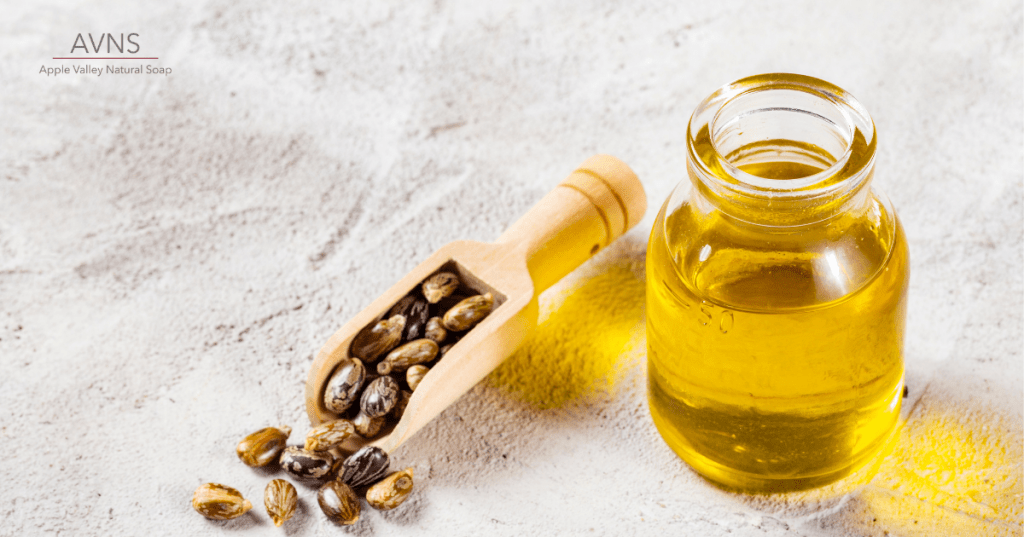
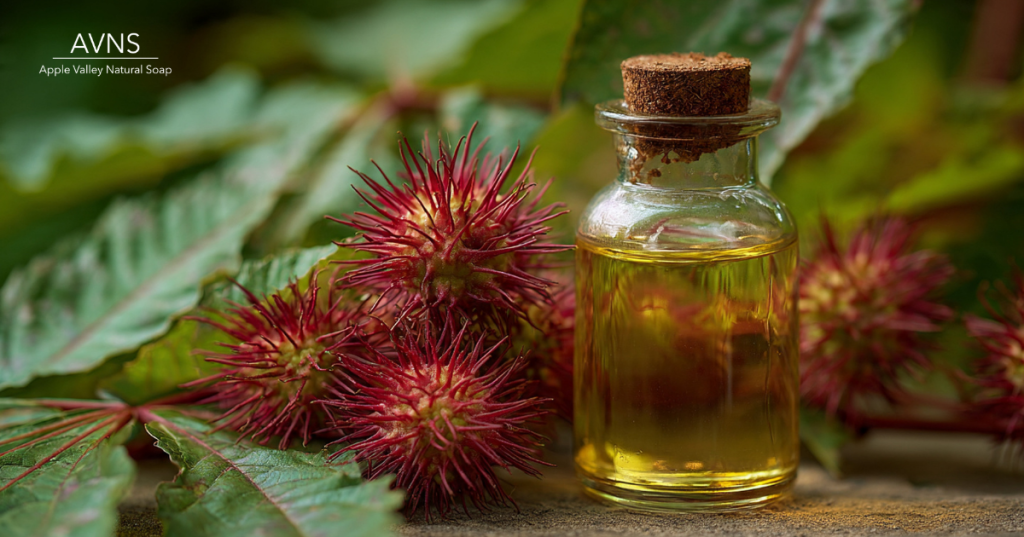
Not all oils are created equal, and castor oil stands in a category of its own. Derived from the seeds of Ricinus communis, organic cold-pressed castor oil is rich in ricinoleic acid, a rare, long-chain hydroxy fatty acid that makes up approximately 85 to 90% of the oil’s fatty acid profile. This unique compound is what researchers and herbalists believe drives many of castor oil’s therapeutic properties.

Unlike refined or heat-extracted castor oil, natural cold-pressed castor oil retains its full spectrum of phytonutrients, antioxidants, and biologically active compounds. Cold-pressing at low temperatures preserves the integrity of ricinoleic acid without degrading the oil’s healing potential, which is why hexane-free, cold-pressed, certified organic castor oil is widely recommended by holistic practitioners over commercial alternatives. Together, these three qualities, cold-pressed, organic, and hexane-free, make for a truly superior castor oil.

When you’re looking for the best castor oil for parasite detox, the source and processing method matter enormously.


The Historical Roots of Castor Oil as a Cleansing Agent

Long before castor oil packs became a wellness trend, castor oil was used for centuries across ancient Egypt, India (Ayurveda), China, and traditional African medicine as a cleansing, purgative, and healing oil.

In Ayurvedic medicine, castor oil, known as Eranda taila, has been used for thousands of years to support digestion, stimulate liver detoxification, and treat intestinal imbalances, including parasitic infections. The Ebers Papyrus, one of ancient Egypt’s oldest medical texts dating back to 1550 BCE, references castor oil as a remedy for expelling intestinal worms.

American healer Edgar Cayce, often called the “sleeping prophet,” is credited with popularizing castor oil packs in the 20th century as a topical therapy for supporting liver health, lymphatic drainage, and gut healing, laying the foundation for the modern castor oil pack movement.


How Does Castor Oil Support Parasite Detox?

This is where the conversation gets nuanced. When people talk about castor oil for parasite cleanse, they’re typically referring to a few distinct mechanisms.

1. Stimulating Bowel Motility

One of castor oil’s most well-documented effects is its laxative action. When taken orally (in therapeutic doses), ricinoleic acid binds to prostaglandin receptors in the intestinal lining, triggering smooth muscle contractions and accelerating intestinal transit time. A faster-moving bowel is a less hospitable environment for parasites, helping to physically expel organisms and their eggs from the digestive tract.

This is likely why castor oil has historically been used as a natural parasite expulsion remedy, not by killing parasites directly, but by making the gut environment unfavorable for them to thrive.

2. Anti-inflammatory and Antimicrobial Properties

Research published in journals including the Journal of Ethnopharmacology has documented ricinoleic acid’s notable anti-inflammatory activity. Parasitic infections often provoke significant gut inflammation, and castor oil’s ability to reduce intestinal inflammation may support recovery and restore healthy mucosal barriers that parasites exploit.

Additionally, several in vitro studies have shown castor oil exhibits antimicrobial properties against certain pathogens, though research specifically targeting human intestinal parasites remains an emerging area that warrants more clinical investigation.

3. Liver and Lymphatic Support via Castor Oil Packs

Castor oil packs for liver detox work through a different mechanism than oral use, and this is where topical application truly shines. When a castor oil pack is applied to the abdomen (particularly over the liver on the right side), the ricinoleic acid is believed to penetrate transdermally, reducing local inflammation, stimulating lymphatic circulation, and supporting hepatic detoxification pathways.

The liver is the body’s primary detox organ. During any cleanse, including a natural parasite detox protocol, the liver must process and eliminate a higher load of toxins, including the metabolic byproducts released when parasites die off. Supporting liver function with castor oil packs during this process can ease detox symptoms and help the body clear pathogens more efficiently.

A pilot study published in Alternative Therapies in Health and Medicine found that castor oil pack application was associated with significant increases in T-lymphocyte count, suggesting immune-stimulating effects that may further support the body’s natural defenses against parasitic invaders.


What Is a Castor Oil Pack and How Do You Use One?

A castor oil pack is a traditional naturopathic therapy that involves saturating a piece of flannel cloth with high-quality organic castor oil and applying it to the skin, most commonly over the abdomen or liver area, with heat applied on top.

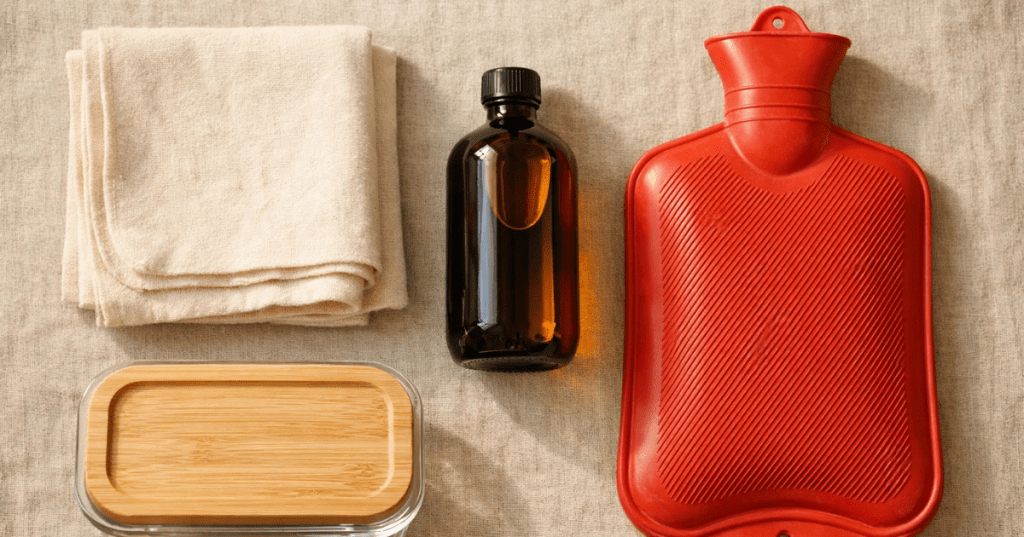
What You’ll Need:

  • Pure organic cold-pressed castor oil (hexane-free, in a dark amber glass bottle)
  • Organic flannel cloth or wool flannel (unbleached and undyed), or purchase a premade cloth pack from, AVNS Castor Oil Packs
  • A hot water bottle or heating pad
  • An old towel or wrap to hold everything in place
  • A glass container to store the flannel between uses

Step-by-Step Instructions

Step 1: Prepare your flannel. Cut or fold your flannel into a piece large enough to cover your liver area (roughly 12 x 14 inches), or use a premade castor oil pack from AVNS for added convenience. Pour enough castor oil onto the flannel to saturate it without it dripping; it should be damp throughout but not soaking wet.

Step 2: Position the pack. Lie comfortably on your back with an old towel beneath you. Place the saturated flannel over your upper right abdomen (where your liver sits, just under the right rib cage). For gut parasite support, you can also place it across the entire lower abdomen.

Step 3: Apply heat. Place your hot water bottle or heating pad on top of the flannel and set it to a comfortable, moderate temperature. Never use heat that causes discomfort or burning. Cover with an old towel or blanket to retain warmth.

Step 4: Rest and relax. Leave the pack in place for 45 to 90 minutes. Use this time to rest, breathe deeply, or meditate. Many practitioners recommend using castor oil packs before bed for maximum relaxation.

Step 5: Remove and store. After use, remove the flannel and gently wipe any residual oil from your skin with a warm, damp cloth. Store the flannel in a sealed glass container in the refrigerator. You can reuse the same flannel 20–30 times before replacing it, adding a small amount of fresh oil each session.

How Often Should You Use a Castor Oil Pack?

For a parasite detox protocol, many holistic health practitioners recommend using castor oil packs 3 to 5 times per week for 4 to 6 weeks. Always cycle with rest days and listen to your body throughout the process.


Choosing the Best Organic Castor Oil, What to Look For

The quality of your castor oil directly impacts your results. When shopping for castor oil for detox or castor oil packs, prioritize these markers:

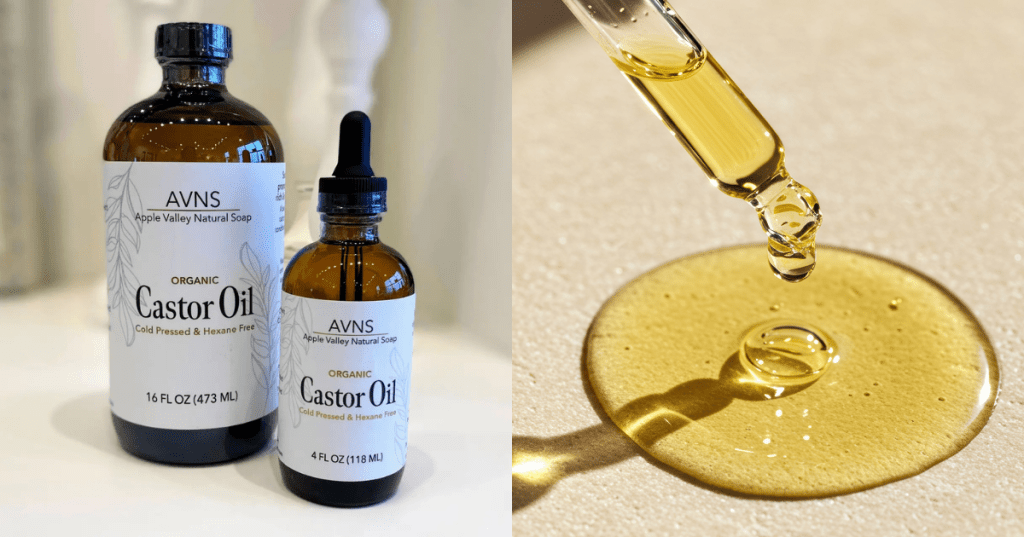
Cold-Pressed & Hexane-Free: The extraction method is critical. Hexane is a chemical solvent used in many commercial oil extractions that leaves trace residue in the final product. Always choose hexane-free, cold-pressed castor oil for topical and therapeutic use.

Certified Organic: Castor beans are highly absorbent of soil chemicals. Non-organic crops may contain residual pesticides and heavy metals, precisely what you’re trying to detox from. Look for USDA Organic or equivalent certification.

Pure and Unrefined: Avoid castor oils that have been bleached, deodorized, or mixed with additives. The oil should have a slight natural scent and a pale yellow to golden color. Clear and colorless usually indicates over-refinement. Look for oils stored in dark amber glass bottles, which protect the oil from light degradation and preserve its potency.


Important Considerations and Safety Notes

While organic castor oil packs are considered very safe for most adults when used topically, there are important considerations to keep in mind:

Oral use of castor oil should be approached with caution and is not recommended for daily or long-term use due to its potent laxative effect. Pregnant women should never use castor oil orally or as a pack, as it may stimulate uterine contractions.

People with sensitive skin should do a small patch test before applying castor oil packs, as some individuals may experience mild skin irritation. Individuals with known nut or seed allergies should consult a healthcare provider before using castor oil.

It’s also important to note that while castor oil supports the body’s natural cleansing processes, it is not a replacement for medical treatment of diagnosed parasitic infections. If you suspect a serious parasitic infection, please consult a qualified healthcare provider.


Integrating Castor Oil Into a Holistic Parasite Detox Protocol

Castor oil packs work best as part of a comprehensive, whole-body approach to gut health and natural detoxification. Many holistic practitioners recommend pairing castor oil pack therapy with:

  • A whole-food, anti-inflammatory diet low in sugar (parasites thrive on sugar)
  • Antiparasitic herbs such as black walnut hull, wormwood, and clove
  • Probiotic-rich foods to rebuild healthy gut flora after cleansing
  • Adequate hydration to support toxin elimination through the kidneys
  • Magnesium supplementation to support smooth bowel motility

Used consistently and mindfully, organic cold-pressed castor oil and AVNS castor oil packs offer a time-honored, gentle, and deeply nourishing support tool for anyone on a natural detox journey.


The Real Truth

The surge of interest in castor oil for parasite detox isn’t just a social media trend, it’s the rediscovery of a remedy with deep historical roots and a growing body of supportive science. Cold-pressed, organic, hexane-free castor oil delivers a unique fatty acid profile that supports gut motility, reduces inflammation, stimulates lymphatic flow, and bolsters immune function, all of which create an environment where parasites struggle to survive.

Whether you’re looking for the best castor oil pack for liver detox, seeking gentle support during a parasite cleanse, or simply wanting to incorporate a traditional healing practice into your wellness routine, AVNS organic castor oil is a remarkably versatile and accessible tool.

The key is quality. Choose cold-pressed, certified organic, hexane-free castor oil and pair it with a holistic approach to gut health.

Your body has the extraordinary capacity to heal itself when given the right support. Castor oil has been helping people do exactly that for thousands of years.


Always consult with a qualified healthcare professional before beginning any detox protocol, especially if you have pre-existing health conditions or are taking medications.


Related Reading

For more information about nourishing your skin from head to toe using gentle, natural approaches, dive deeper into these related articles:


A Vanilla Bean Lesson

The Speckled Truth About Real Vanilla Beans in Natural Handmade Soap

Vanilla Beans Beyond the Extract

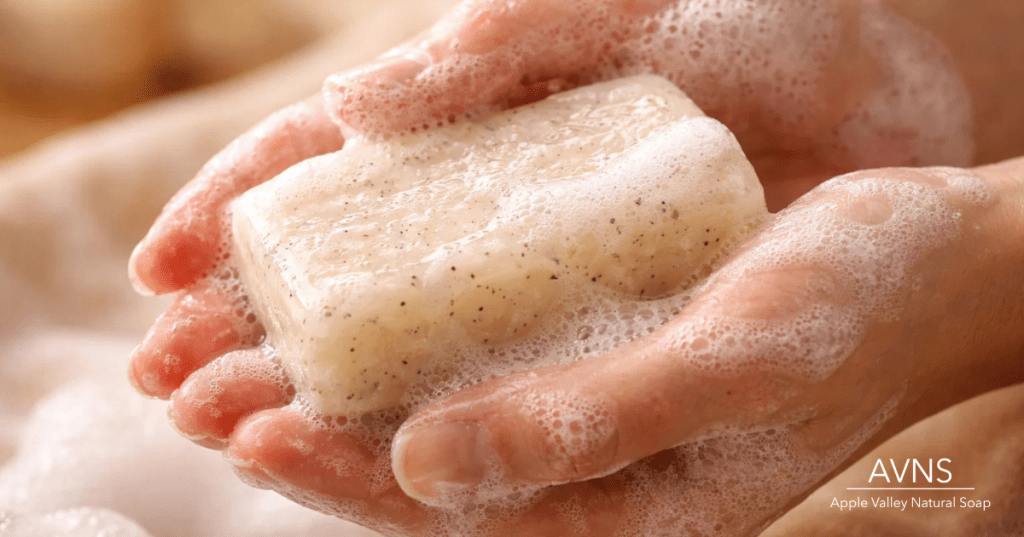
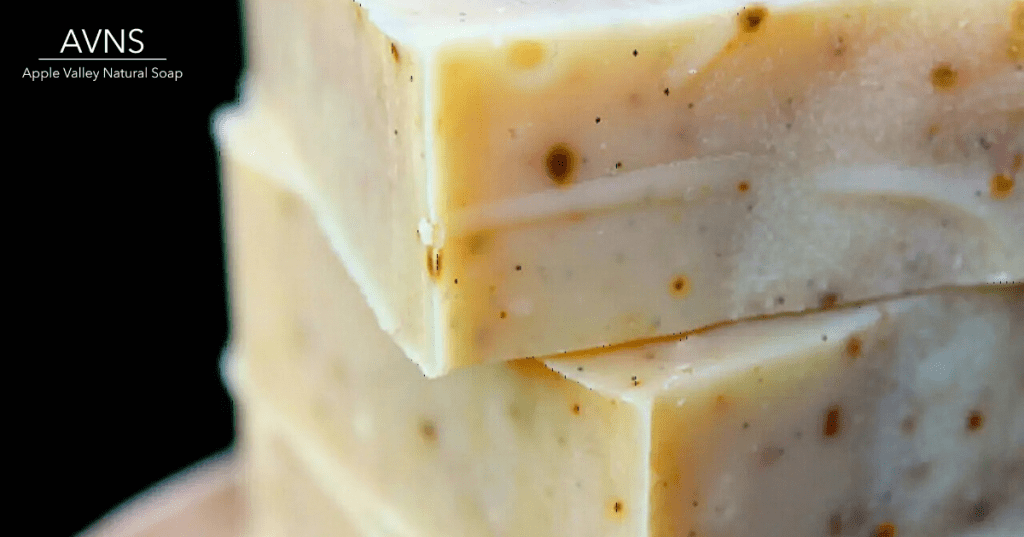
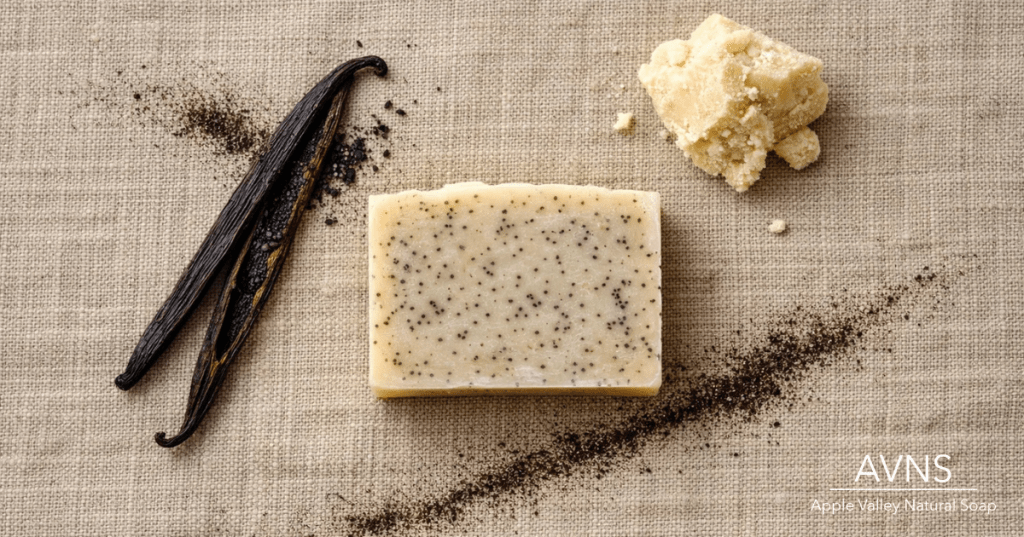
🔲 Vanilla beans contain thousands of tiny seeds that create natural speckling in soap. These dark flecks aren’t dirt or imperfection, they’re proof of real botanical ingredients working in your bar.

🔲 Ground vanilla beans add gentle, non-abrasive texture that enhances the sensory experience without scratching skin. The microscopic particles create a barely-there exfoliation that most people don’t even notice as exfoliation.

🔲 Unlike vanilla extract or fragrance oils containing vanillin, ground vanilla beans won’t cause soap to turn brown. They maintain their specked appearance in lighter-colored bars, offering visual interest without color transformation.

🔲 Real vanilla beans cost $200-600 per pound, making them one of the most expensive spices in the world. When you see vanilla bean specks in handmade soap, you’re seeing a maker’s investment in authentic ingredients.

Have you ever split open a vanilla bean?

It’s a revelation.

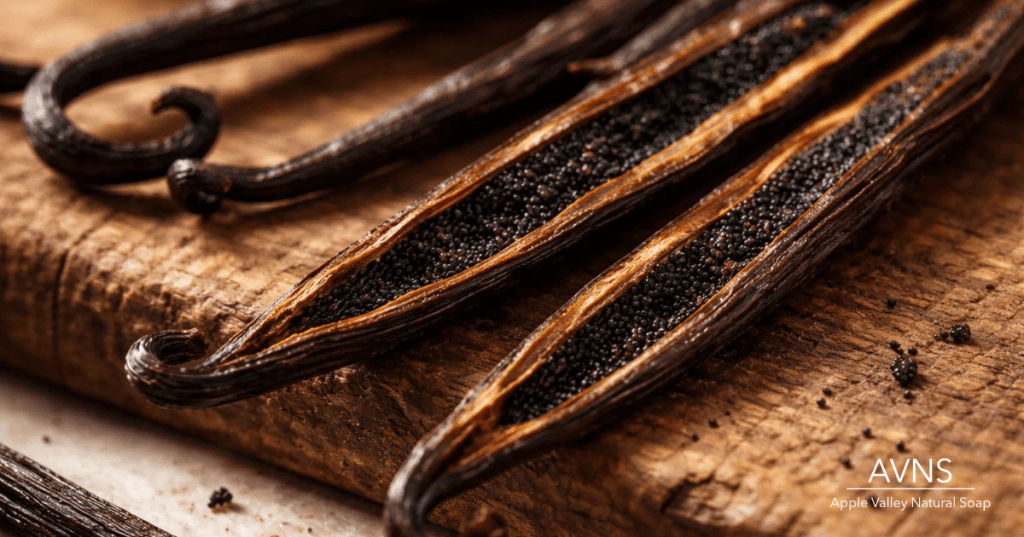
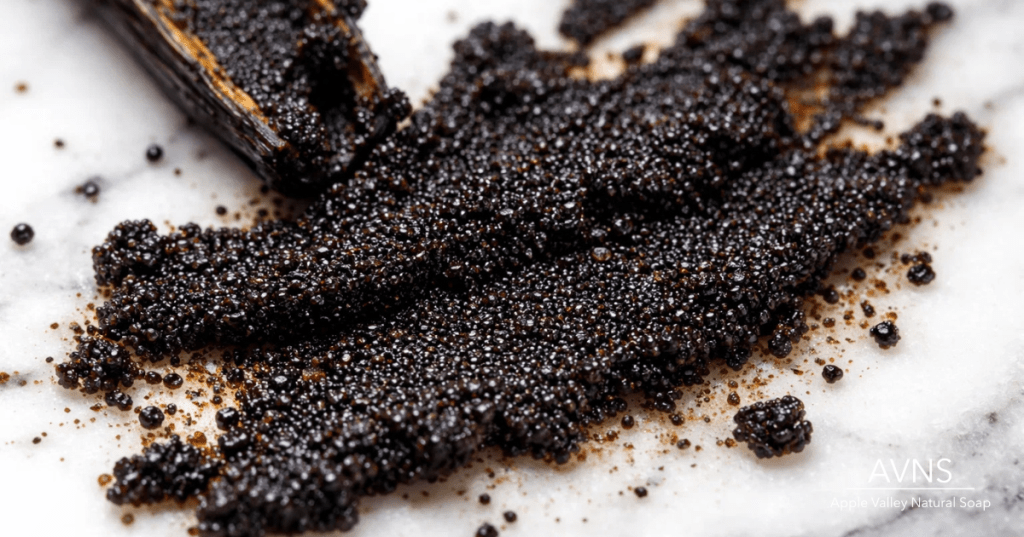
That single dark pod, firm and leathery on the outside, splits to reveal a sticky, paste-like interior packed with thousands upon thousands of microscopic seeds. These seeds are so fine they look almost like wet soil, dark and fragrant, clinging to everything they touch.

This is where real vanilla lives.

Not in clear extracts. Not in synthetic vanillin. But in those tiny, precious specks.

And when those specks appear in natural handmade soap, they tell a completely different story than vanilla extract ever could.

Today, we’re exploring a true vanilla bean lesson. What these tiny seeds are, why they behave the way they do in soap, what most people don’t know about them, and why their presence in your bar is something worth celebrating.

Whether you’re a soap lover, a maker, or someone seeking authentic artisan bath products, this guide will change how you see those little dark flecks forever.

The Vanilla Bean Isn’t a Bean At All

Let’s start with a surprise, vanilla “beans” aren’t beans.

They’re actually seed pods from Vanilla planifolia, a climbing orchid that grows in tropical regions. The name “bean” comes purely from their elongated shape, but botanically speaking, they’re capsules filled with seeds.

And what seeds they are.

Each pod contains somewhere between 16,000 to 100,000 seeds, depending on the pod’s size and growing conditions. These seeds are incredibly tiny – about the size of ground black pepper, but finer. When you scrape the inside of a vanilla pod, you’re collecting thousands of seeds at once, bound together in that characteristic sticky paste.

Here’s what makes this fascinating for soap:

When ground vanilla beans are added to soap, you’re incorporating actual seed matter – not a derivative, not an extract, but the physical structure of the plant itself.

Those dark flecks you see in vanilla bean soap?

That’s the real thing.

Why Vanilla Beans Look Different Than Vanilla Extract

This is where many people get confused.

Vanilla extract is made by soaking vanilla beans in alcohol, which pulls out the aromatic compounds (primarily vanillin) while leaving the seeds behind. The liquid is then filtered, bottled, and used for flavoring.

What you get: The chemistry of vanilla.
What you lose: The physical presence of vanilla.

Ground vanilla beans, on the other hand, are the whole pod or more specifically, the seeds from inside the pod – dried and pulverized into fine particles.

What you get: The visual proof, the texture, the authenticity.
What you lose: The intense aroma concentration.

In soap, this creates a completely different experience:

  • Vanilla extract/fragrance oils → Darker over time due to vanillin oxidation
  • Ground vanilla beans → Maintain their specked appearance without browning the entire bar

This is why a soap like Cocoa Butter Vanilla Bean can remain beautifully white or cream-colored with elegant dark speckling throughout, instead of shifting to caramel or brown.

The beans don’t chemically react the same way.

They’re decorative. Textural. Visual.

And they stay that way.

The Cost of Real Vanilla Beans

Here’s something most people don’t realize.

Vanilla is the second most expensive spice in the world after saffron.

Grade A Madagascar vanilla beans (the gold standard) can cost anywhere from $200 to $600 per pound, depending on market conditions, harvest quality, and global demand.

Why so expensive?

  1. Hand pollination – Each flower blooms for only one day and must be pollinated by hand in most growing regions
  2. Long maturation – Pods take 8-9 months to mature on the vine
  3. Labor-intensive curing – The beans go through months of blanching, sweating, drying, and aging to develop their aroma
  4. Climate sensitivity – Cyclones, droughts, and political instability in growing regions (Madagascar produces 80% of the world’s vanilla) can devastate harvests

So when you see vanilla bean specks in handmade soap, you’re not just seeing “decoration.”

You’re seeing a maker’s willingness to invest in genuine, costly ingredients instead of taking shortcuts.

That matters.

What Ground Vanilla Beans Do in Soap

Let’s talk texture.

Ground vanilla beans add an incredibly fine, gentle texture to soap that most people don’t consciously notice – but they can feel.

It’s not gritty like pumice or coffee grounds.
It’s not scratchy like some salt scrubs.

It’s subtle. Almost imperceptible. Like the finest grain you can imagine.

When you lather vanilla bean soap, those microscopic seed particles move across your skin without abrading it. They provide the slightest amount of physical contact, which can:

  • Enhance the sensory experience of washing
  • Create a feeling of “something special” without being harsh
  • Give the soap a luxurious, artisan quality

Think of it like the difference between smooth peanut butter and crunchy peanut butter.

Both are delicious.

But one has texture, and that texture changes the entire eating experience.

Vanilla bean soap is the “crunchy peanut butter” of the soap world.

The Speckling Effect, Beauty in Authenticity

One of the most visually striking things about vanilla bean soap is the random speckling pattern.

Because the seeds are distributed throughout the soap batter before it hardens, they settle and suspend in organic, unpredictable ways. No two bars look exactly the same.

Some bars have dense clusters of specks.
Others have scattered, delicate freckling.
Some show dramatic contrast against white bases.
Others blend softly into cream or beige tones.

This variability is a feature, not a flaw.

It’s proof that the soap was made by hand, in small batches, with real ingredients that behave naturally – not churned out by machines designed for perfect uniformity.

For customers seeking authentic artisan products, this matters deeply.

It’s the same reason people love handmade pottery with slight variations, or hand-knit sweaters with unique tension patterns.

Perfection is boring.
Authenticity is compelling.

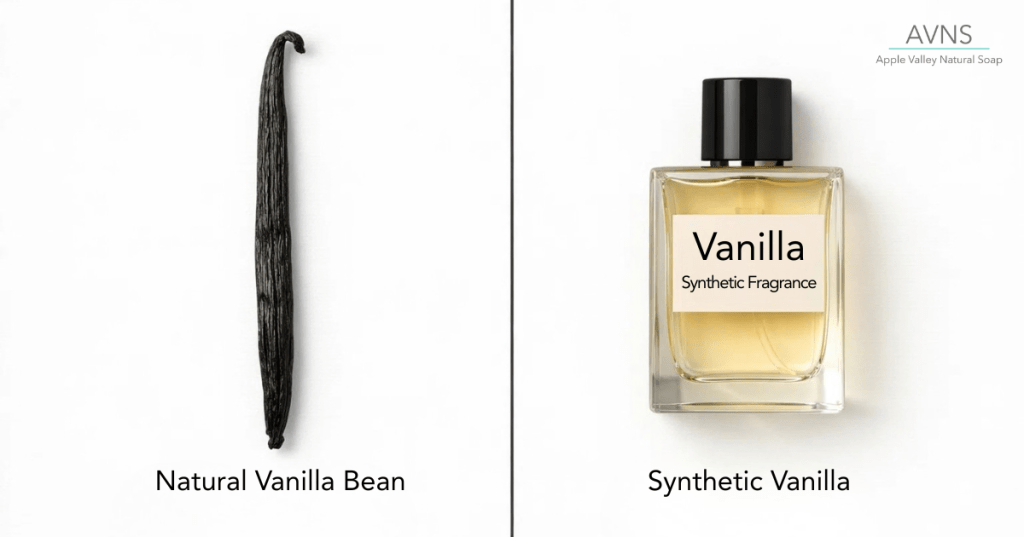
Vanilla Beans vs. Synthetic “Vanilla Bean” Products

Here’s where things get interesting.

Many commercial “vanilla bean” products – from ice cream to body wash – contain no actual vanilla beans.

Instead, they use:

  • Synthetic vanillin (derived from wood pulp or petroleum byproducts)
  • Artificial vanilla flavoring
  • “Natural vanilla flavor” (which can be derived from non-vanilla sources)
  • Tiny black specks made from… well, other things

Yes, you read that correctly.

Some products add fake specks to create the visual illusion of vanilla beans without the cost.

These can include:

  • Ground exhausted vanilla beans (already used for extract, with no aroma left)
  • Carob powder
  • Black sesame seeds
  • Even food-grade plastic particles in some cosmetics

In contrast, true vanilla bean soap contains the actual ground seeds from real vanilla pods.

There’s no shortcut.
No substitution.
No illusion.

Just the plant itself.

Why Vanilla Beans Don’t Cause Browning

Remember how vanilla extract darkens soap over time due to vanillin oxidation?

Ground vanilla beans don’t do that.

Here’s why:

The vanillin in vanilla beans is locked inside the seed structure and present in much lower concentrations than in extracted form. When the beans are ground and suspended in soap, they’re not releasing significant amounts of vanillin into the alkaline soap base.

Instead, they remain as inert particles – visible, textured, but chemically stable.

This is why you can create a white or cream-colored soap with vanilla bean specks that stays light over time.

The specks themselves remain dark brown or black (that’s their natural color), but they don’t bleed or discolor the surrounding soap.

It’s the best of both worlds:

  • The visual authenticity of vanilla
  • The stability of a non-reactive ingredient
  • The luxury of real botanical matter
  • The clean aesthetic of a light-colored bar

Pairing Vanilla Beans with Cocoa Butter

When you combine vanilla beans with cocoa butter, something magical happens.

Cocoa butter itself is pale yellow to white, with a subtle chocolate-like aroma (though it fades significantly in soap). It’s incredibly moisturizing, creating a rich, creamy lather that feels luxurious on skin.

Add vanilla bean specks, and you get:

Visual contrast – Dark seeds against pale butter tones
Complementary aromas – Chocolate and vanilla, a classic pairing
Luxurious texture – Creamy lather with barely-there exfoliation
Nostalgic comfort – Like the scent of fresh baked goods or premium desserts

This combination evokes warmth, indulgence, and quality without being overly sweet or artificial.

It’s sophisticated vanilla.
Grown-up vanilla.
Honest vanilla.

The Sensory Psychology of Vanilla

Vanilla is one of the most universally loved scents in the world.

Research suggests that vanilla’s aroma can:

  • Reduce stress and promote relaxation
  • Elevate mood through positive scent associations
  • Trigger nostalgia (baking, childhood, comfort)
  • Enhance perceived sweetness even when no sugar is present

But here’s what’s interesting about vanilla beans in soap:

The scent is softer and more nuanced than synthetic vanilla or vanilla extract.

You’re not hit with a blast of artificial sweetness.
Instead, you experience a gentle, warm, slightly woody aroma that whispers rather than shouts.

It’s the difference between:

  • A scented candle labeled “VANILLA CUPCAKE” (loud)
  • And a freshly split vanilla pod (subtle, complex, real)

For people with scent sensitivities or those who prefer understated fragrance, vanilla bean soap offers presence without overwhelm.

What Most People Don’t Know About Vanilla Beans in Soap

Let’s share some insider knowledge.

1. The Seeds Can Clog Drains (But Rarely Do)

Technically, yes, thousands of tiny seeds could accumulate over time. In practice? The particles are so fine and well-distributed that they rinse away easily. Unless you’re using an entire vanilla bean per bar (no one does), it’s not a concern.

2. Not All “Vanilla Bean” Soaps Contain Real Beans

Always check ingredient lists. Some products list “vanilla bean extract” or “vanilla bean fragrance” – which may not include actual ground seeds.

3. Vanilla Beans Lose Most Aroma When Soaped

The saponification process (turning oils into soap) happens at high pH and can neutralize delicate aromatics. Ground vanilla beans contribute visual appeal and subtle scent, but they won’t create a strong vanilla smell on their own. That’s why many vanilla bean soaps also include essential oils or natural fragrances.

4. The Seeds Are Edible (But Don’t Eat Your Soap)

Vanilla bean seeds are completely food-safe – you’ve eaten them in ice cream, custards, and baked goods. In soap, they’re harmless to skin, non-toxic, and hypoallergenic for most people.

5. Quality Varies Wildly

Some soap makers use spent vanilla beans (already used for extract) which have little to no remaining aroma or potency. Others use premium whole beans, ground fresh, with full aromatic complexity. The difference is significant – and often visible in the richness of the speckling.

Embracing the Imperfection of Natural Ingredients

In a world obsessed with flawless aesthetics and Instagrammable uniformity, vanilla bean soap is quietly rebellious.

It says:

“I’m not perfect, and I don’t need to be.”

Each bar is unique.
Each speck pattern is one-of-a-kind.
Each sensory experience is slightly different.

And that’s exactly the point.

Natural handmade soap isn’t trying to compete with mass-produced bars stamped out by machines at 10,000 units per hour.

It’s offering something those bars can never provide:

Authenticity.
Craft.
Connection to real plants and real people.

When you hold a bar flecked with vanilla bean seeds, you’re holding proof that someone chose quality over convenience, cost be damned.

Choosing Vanilla Bean Soap

If you’re drawn to,

Subtle luxury → Vanilla bean offers elegance without intensity
Visual interest → Those specks make every bar a small work of art
Gentle texture → Barely-there exfoliation for daily use
Natural authenticity → Real botanical ingredients, no synthetic shortcuts

Then vanilla bean soap – especially when paired with rich cocoa butter – is worth exploring.

And if you’re wondering whether those specks are “real,” here’s a simple test:

Real vanilla beans = Irregular, varied sizes, slightly textured, naturally dark brown to black
Fake specks = Perfectly uniform, suspiciously even distribution, sometimes too “perfectly round”

Your eyes (and eventually your research into the maker) will tell you the truth.

Vanilla Beans Aren’t Plain

We’ve been conditioned to think of vanilla as the default.

The “plain” option.
The “boring” choice.
The thing you pick when you can’t decide on a “real” flavor.

But vanilla beans themselves?

They’re anything but plain.

They’re exotic orchid seeds harvested by hand from tropical vines.
They’re the result of months of patient curing and aging.
They’re worth more per pound than silver.
They’re complex, subtle, and quietly magnificent.

So the next time you see dark specks in your soap, don’t dismiss them as decoration.

See them as declaration.A declaration that real ingredients matter.
That authenticity is worth the cost.

A declaration that real ingredients matter.
That authenticity is worth the cost.
And that sometimes the most beautiful things aren’t uniform, they’re uniquely, imperfectly, naturally themselves.

Related Reading

For more information about nourishing your skin from head to toe using gentle, natural approaches, dive deeper into these related articles:

Salt Bars: Because Your Skin Deserves a Spa, Not a Chemistry Class

Upgrade Your Shower Routine, No Lab Coat Required.

Pure Salt Glow Boost

🔲 Salt bars contain 50 to 80% Mediterranean sea salt, naturally exfoliating dead skin cells while drawing out impurities, leaving your skin smooth, clarified, and glowing after every shower.

🔲 Made with nourishing oils like coconut and olive oil, without sulfates, parabens, synthetic fragrance, or petroleum-based fillers. No chemistry degree required.

🔲 Unlike conventional body wash, salt bars cleanse while maintaining your skin’s natural moisture balance, perfect for oily, combination, and breakout-prone skin.

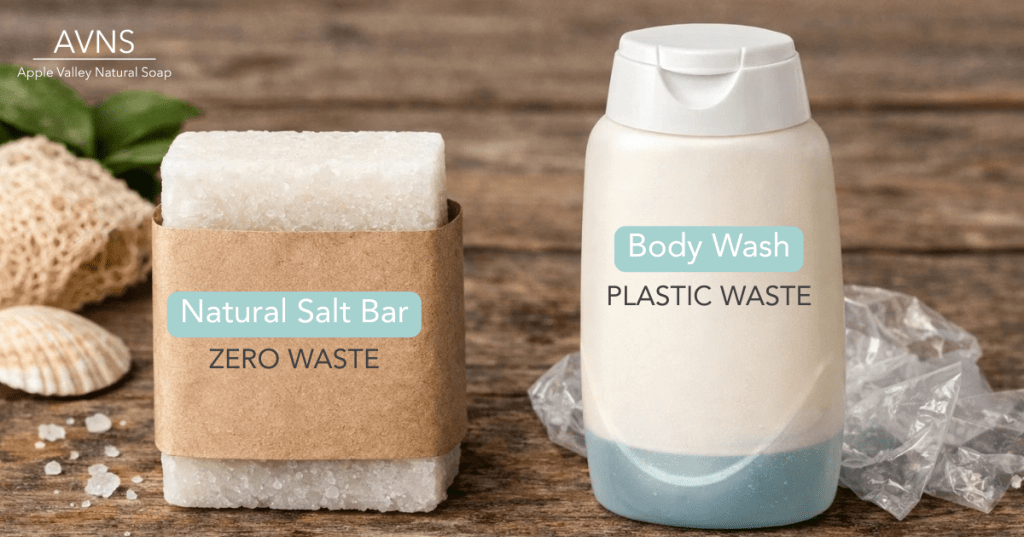
🔲 Long-lasting, plastic-free, biodegradable, and multi-purpose (body wash + exfoliator + facial cleanser). One generously-sized bar lasts for months with daily use, replacing multiple products while elevating your routine.

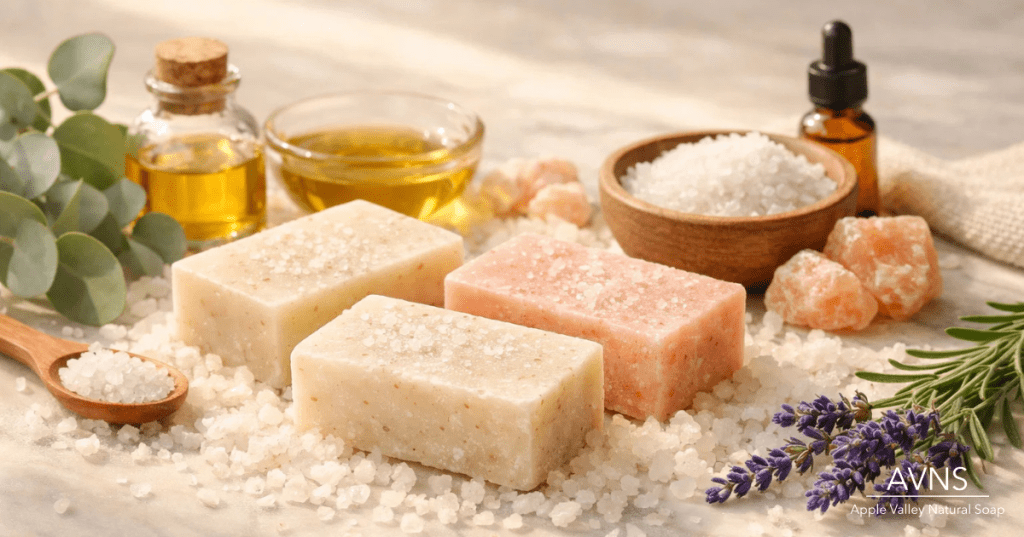
Let’s talk about salt bars, the ultimate skincare secret that’s been hiding in plain sight. These handmade treasures transform your daily shower into a spa-worthy experience, delivering luxury and results in equal measure.

If your current body wash requires a chemistry degree to decode its ingredient list, you’re not alone. But here’s the thing, your skin is your body’s largest organ, working 24/7 to protect you from the world. Maybe it’s time to stop thanking it with synthetic mystery ingredients and start treating it to something genuinely nourishing.

Enter salt bars, the elegant solution to modern skincare that’s been right under our noses all along.

What Exactly Is a Salt Bar?

Imagine combining the mineral-rich benefits of a Dead Sea spa treatment with the gentle care of artisan soap-making. That’s exactly what a salt bar delivers.

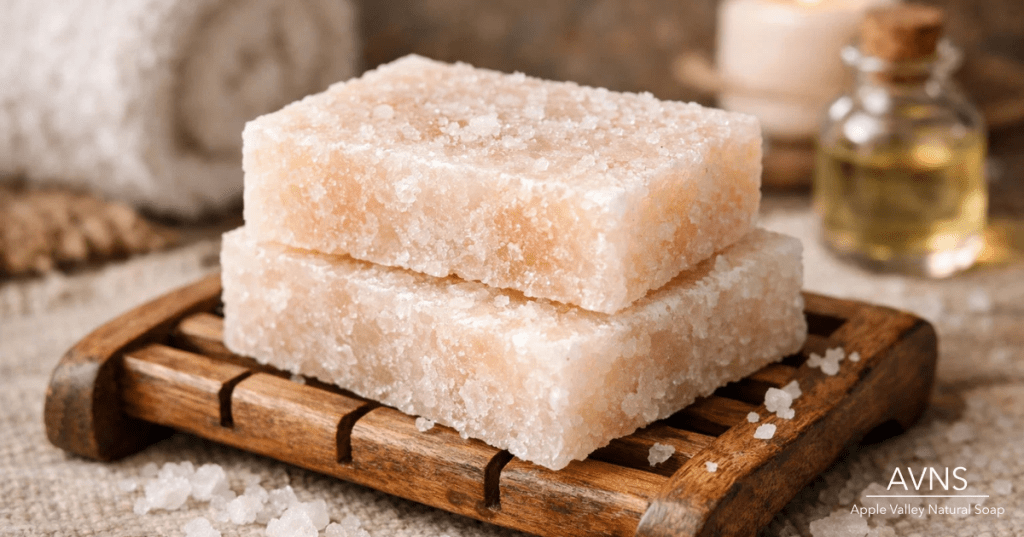
Unlike conventional soap (which focuses solely on getting you clean), salt bars are crafted with 50 to 80% salt content, primarily mineral-rich Mediterranean sea salt, combined with nourishing oils. The result is a luxurious bar that simultaneously exfoliates, detoxifies, and moisturizes.

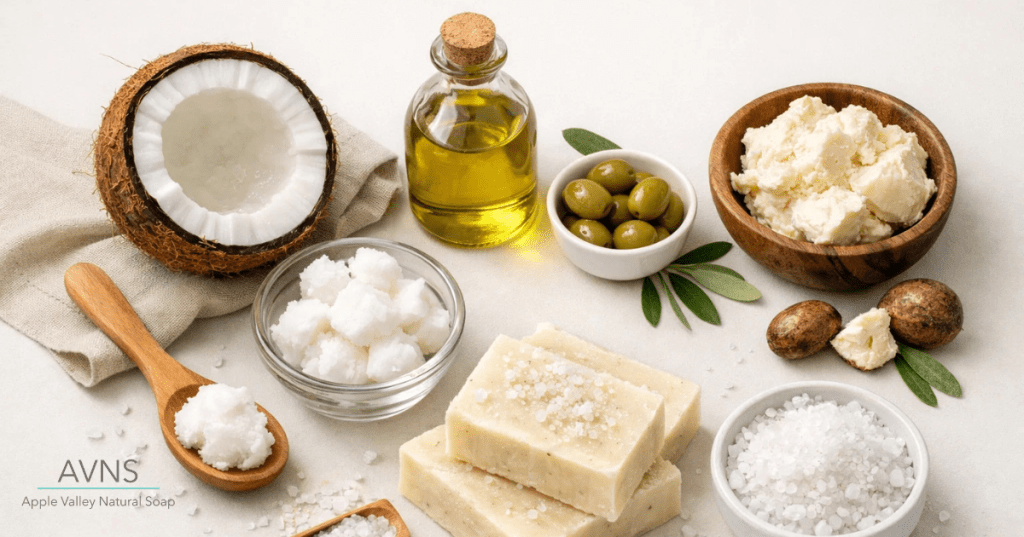
Most quality salt bars feature a generous amount of coconut oil, creating that creamy, moisturizing lather you’ll fall in love with. It’s the soap equivalent of upgrading from economy to first class, once you experience the difference, there’s no going back.

The Problem With Conventional Body Wash

What’s actually in that brightly colored bottle you’ve been using?

Most commercial body washes contain,

Harsh Sulfates that strip your skin’s natural protective oils faster than you can say “moisture barrier”

Parabens serving as preservatives, despite growing concerns about their long-term effects

Synthetic Fragrances labeled simply as “fragrance”, a convenient loophole that can hide dozens of undisclosed chemicals

Petroleum-Based Ingredients because apparently what works for engines must be great for skin (spoiler: it’s not)

Artificial Colors that serve absolutely no functional purpose beyond aesthetic appeal

Your skin absorbs up to 60% of what you put on it. Those ingredients aren’t just sitting on the surface, they’re getting into your system. The question becomes, is that really what you want your body processing daily?

The Natural Salt Bar Advantage

Here’s what happens when you make the switch to handmade salt bars,

Gentle Yet Effective Exfoliation

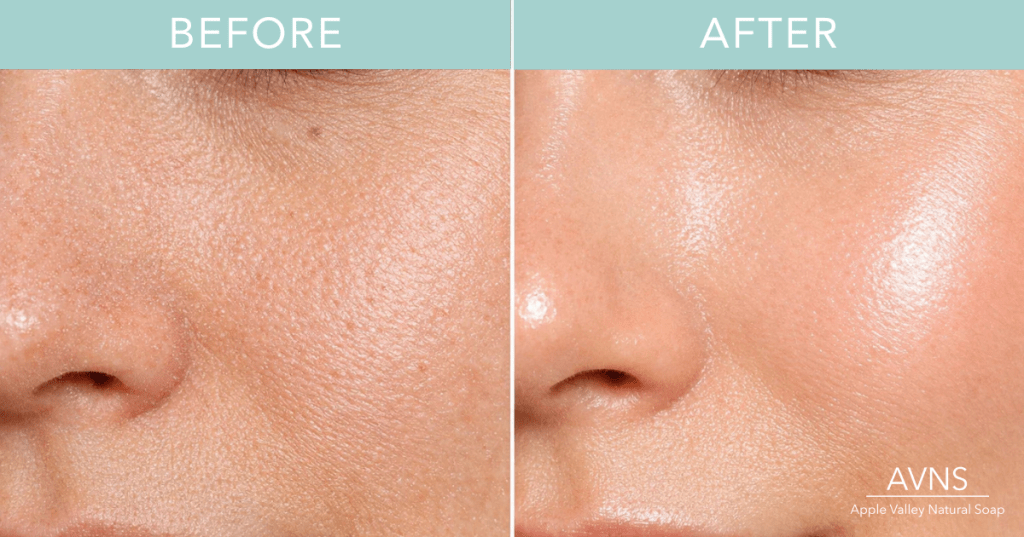
Those tiny salt crystals work as natural micro-exfoliators, gently buffing away dead skin cells and unclogging pores without the harsh abrasion of synthetic scrubs. The result? That coveted “just back from vacation” glow, available right in your own shower.

Deep Pore Detoxification

Salt has been drawing out impurities and toxins from skin since ancient times. (There’s a reason Cleopatra was so keen on salt baths.) Salt bars bring this same purifying power to your daily routine, helping to clarify and refresh your skin naturally.

Natural Oil Balance

If your skin tends toward the oily side, salt bars become your new best friend. Salt naturally helps regulate sebum production without over-drying, finding that perfect balance commercial products often miss entirely.

Antibacterial Properties

Thanks to salt’s inherent antibacterial nature, these bars create an inhospitable environment for acne-causing bacteria. Combined with their exfoliating action that keeps pores clear, salt bars offer a one-two punch against breakouts.

Surprising Hydration

Despite being packed with exfoliating salt crystals, quality salt bars are remarkably moisturizing. That’s because they’re typically crafted with nourishing oils like coconut, olive, and avocado oil. Your skin gets cleansed, buffed, and hydrated all at once.

Ingredients You Can Actually Recognize

One of the most refreshing aspects of natural handmade salt bars? The ingredient list reads like actual English, not a pharmaceutical textbook.

What You’ll Find:

  • Mediterranean sea salt (rich in natural minerals)
  • Coconut oil for moisturizing
  • Olive oil for nourishment
  • Essential oils (actual plant extracts)
  • Shea butter or cocoa butter for extra softness
  • Sometimes kaolin clay for added benefits

What You Won’t Find:

  • Unpronounceable chemical compounds
  • Synthetic fragrances or colors
  • Petroleum-based ingredients
  • Harsh detergents or sulfates
  • Mystery preservatives

When the longest word on your soap ingredient list is “coconut,” you know you’re making a healthier choice.

Benefits That Transform Your Skincare Routine

For Your Face

Unlike harsh facial cleansers that leave your skin feeling stripped and tight, quality salt bars are gentle enough for facial use.

Minimize Pores: Regular use helps refine pore appearance over time

Reduce Inflammation: Natural anti-inflammatory properties calm irritated skin

Balance pH Levels: Helps maintain your skin’s optimal pH

Gentle Daily Exfoliation: No micro-tears or damage to your skin barrier

Support for Skin Conditions: Many users with eczema and psoriasis report improvement

Pro tip: If you have particularly sensitive skin, test on a small area first. While salt bars are gentler than conventional products, everyone’s skin is unique.

For Your Body

From neck to toes, salt bars work wonders,

  • Smooth rough patches on elbows, knees, and heels
  • Address body acne and bacne naturally
  • Soften and exfoliate feet without requiring professional pedicures
  • Leave skin feeling genuinely clean without that tight, squeaky feeling
  • Create a luxurious lather that elevates your shower experience

The Environmental Bonus

Here’s something your plastic bottle of body wash won’t advertise, handmade salt bars are remarkably eco-friendly.

Minimal Packaging: Typically just paper or recyclable materials

Biodegradable: Returns to nature harmlessly

Concentrated Formula: One bar outlasts multiple bottles of body wash

Zero Microplastics: No environmental pollution from synthetic ingredients

Small-Batch Production: Supporting artisan makers instead of industrial manufacturing

Choosing natural salt bars is a vote for both your skin’s health and environmental sustainability.


How to Use Salt Bars Effectively

The process is refreshingly simple,

Step 1: Wet Your Skin
Thoroughly wet your skin in the shower or bath.

Step 2: Create a Lather
Rub the salt bar between your hands or directly on wet skin. You’ll notice a creamy, luxurious lather developing. (First-time users: yes, it feels different from foamy commercial body wash. That’s the hallmark of quality ingredients.)

Step 3: Massage
Work the lather over your body. The salt crystals exfoliate while the oils moisturize, it’s like your skin receiving a massage and facial simultaneously.

Step 4: Rinse Thoroughly
Wash everything off and notice how soft and genuinely clean your skin feels.

Step 5: Store Properly
Keep your bar in a well-draining soap dish. Salt bars last significantly longer when they dry between uses.

Advanced Technique: Use your salt bar during your evening shower. The gentle exfoliation works overnight, so you wake looking refreshed and radiant.

Selecting Your Ideal Salt Bar

Not all salt bars are created equal. Here’s what to look for,

Quality Indicators

Handmade in Small Batches: Artisan production ensures quality control and attention to detail that mass manufacturing can’t match.

Natural Ingredients: If the ingredient list requires translation, reconsider your choice.

High Coconut Oil Content: This creates that signature creamy, moisturizing lather.

Proper Curing Time: Quality salt bars need at least 8 weeks to cure properly, the longer the cure, the harder and longer-lasting the bar. Rushed production compromises quality and longevity.

Transparent Ingredient Disclosure: Reputable soap makers proudly list exactly what goes into their bars.

Scent Preferences

Unscented: Perfect for sensitive skin or those who prefer fragrance-free products

Essential Oils:

  • Lavender for calming properties
  • Eucalyptus for invigoration
  • Tea tree for acne-fighting benefits
  • Citrus for energizing morning showers
  • Herbal blends like rosemary and mint for earthy aromatherapy

Avoid anything listing “fragrance” or “parfum” without specifying the source, these terms often mask synthetic chemicals.

The Adjustment Period, What to Expect

Transparency is important. Switching to salt bars may require a brief adjustment period.

Your skin has adapted to synthetic ingredients over time. When you switch to natural products, there’s an adaptation phase as your skin rebalances itself.

Timeline:

  • Week 1: Noticing the different texture and feel
  • Week 2: Skin begins adjusting and softening
  • Week 3: Visible improvements become apparent
  • Week 4+: You wonder why you didn’t make the switch years ago

Some users experience a brief purging phase as skin detoxifies. This is normal and typically resolves within 1 to 2 weeks.

Debunking Common Misconceptions

Misconception #1: “Salt will dry out my skin.”
Reality: Quality salt bars are formulated with generous amounts of moisturizing oils. The salt exfoliates while the oils hydrate, it’s a balanced system.

Misconception #2: “Bar soap harbors bacteria.”
Reality: Soap’s entire purpose is killing bacteria. It’s self-cleaning by nature. Just allow it to drain and dry between uses.

Misconception #3: “I need separate face and body products.”
Reality: Quality salt bars work beautifully for both. Your skin is skin, whether it’s on your face or elsewhere.

Misconception #4: “Natural products aren’t as effective.”
Reality: Natural means working with your skin’s biology rather than against it. That’s actually more effective, not less.

Making the Switch, Your Skin’s Investment

Switching to natural handmade salt bars won’t solve every life challenge. But it will transform your skin.

Imagine skin that feels genuinely clean but never stripped. Soft, smooth, and clear without requiring a chemistry degree to understand your skincare routine. That’s the salt bar difference.

These bars represent honest, straightforward skincare: quality ingredients doing exactly what they’re designed to do. No marketing gimmicks, no “proprietary formulas” that are mostly water, no ingredients that require a dictionary.

Just salt, nourishing oils, and results that make you wonder why conventional products ever seemed normal.

Your skin works tirelessly for you. Perhaps it’s time to return the favor with skincare that truly nourishes rather than simply tolerates.

Quick Reference Guide

How long does one bar last?
Salt bars are generously sized, almost twice as large as regular soaps, and with proper care, they last for months with daily use. As you use them, the edges smooth down and they transform into large, foaming rocks that just keep going. Bonus: when used in the bath, they release beneficial minerals into the water without dissolving away quickly.

Can I use it on my face?
Yes! Start gradually if you have very sensitive skin.

Which skin types benefit most?
Salt bars excel for oily, combination, and normal skin. Those with very dry skin should look for formulations with extra shea butter or follow with a natural moisturizer.

Storage requirements?
Keep in a well-draining soap dish. No refrigeration needed.

Travel-friendly?
Absolutely! Wrap in a washcloth or soap bag. No liquid restrictions to worry about.

Suitable for sensitive skin?
Generally yes, but always patch test first. Natural ingredients are typically gentler than synthetic alternatives.

Results timeline?
Most users notice improvements within 2-3 weeks of consistent use.

Ready to experience the difference that natural, handmade salt bars can make?

Your skin has been waiting for you to make the switch.

Browse our collection of artisan salt bars, each carefully crafted with quality ingredients and genuine care for your skin’s health. No harsh chemicals, no mystery ingredients, just pure, effective skincare the way nature intended.

Your skin deserves more than chemical compounds. It deserves the spa treatment. Every single day.

Related Reading

For more information about nourishing your skin from head to toe using gentle, natural approaches, dive deeper into these related articles:

How Can You Gift Love Naturally with Artisanal Soaps This Valentine’s?

Indulge in the art of natural artisanal soaps, crafted with love and romantic ingredients for the perfect Valentine’s gift.

Why artisanal soaps beat traditional Valentine’s gifts?

🔲 A $35 curated soap collection creates many weeks of daily “I love you” reminders versus flowers that die in four days

🔲 Lavender isn’t just trendy, it’s been used in romantic rituals for literally centuries, and there’s actual science behind why it makes us feel calm and connected

🔲 When you choose soaps based on your actual relationship (that camping trip up north, her obsession with coffee, the mint flavor she always orders), you’re showing you pay attention to the small stuff that matters

There’s something about the ritual of bathing that makes it intensely personal. Not romantic in the Hollywood sense, but intimate in the way that matters. The quiet moments when someone takes care of themselves because you reminded them they’re worth caring for.

This Valentine’s Day, skip the prix fixe menu where you’re rushed through courses and can’t hear each other talk. Give something that changes ordinary Tuesday mornings into small moments of luxury.

Why Natural Ingredients Actually Matter for Romance

Lavender soap isn’t romantic just because it smells nice. It’s romantic because humans have been using lavender to promote calm and connection for centuries.

When you give someone lavender-infused soap from Apple Valley Natural Soap, you’re tapping into something that goes way deeper than modern marketing.

My neighbor Claire keeps a bar of lavender soap in her nightstand drawer. Not to use, just to smell when she can’t sleep. Her husband gave it to her before he deployed overseas three years ago, and even though it’s hard as a rock now, she won’t replace it. That’s the thing about scent memory. It’s powerful and it’s permanent.

If that was a bar of Apple Valley Natural Soap, it may be hard as a rock, but it would be a very long lasting soap. The longer our soaps sit before being used, the harder they are and the longer they last.

Lavender does this thing to your nervous system, actually lowers your cortisol levels. The French figured this out centuries ago in Provence, where they’d hang lavender bundles above marriage beds. Not because it made scientific sense, but because they noticed it worked. People were calmer. More present. More able to be gentle with each other after long days in the fields.

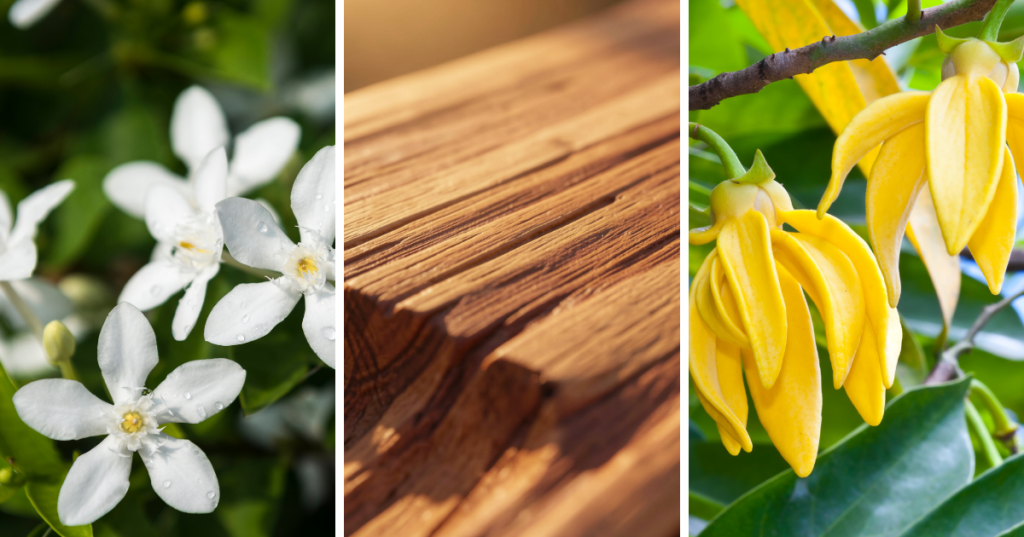
Then you’ve got the more exotic ingredients – ylang ylang, jasmine, sandalwood. I’m not going to claim they’re aphrodisiacs in some mystical sense, but I will say this, when my sister started using jasmine soap, her husband noticed. Not because it made her objectively more attractive, but because she moved differently. More confident. Like she’d given herself permission to take up space and smell good while doing it.

Apple Valley Natural Soap carries products featuring these romantic botanicals, from their Jasmine Face Lotion, to their Sandalwood Men’s Face Lotion, and soaps infused with ylang ylang for that touch of the exotic.

Building Your Perfect Soap Gift Box (Without Overthinking It)

Here’s where most people mess this up, they either grab whatever’s prettiest or they spiral into analysis paralysis trying to create the “perfect” collection.

Do this instead, start with what you know.

Does she have sensitive skin? Oatmeal & Honey, unscented. Done.

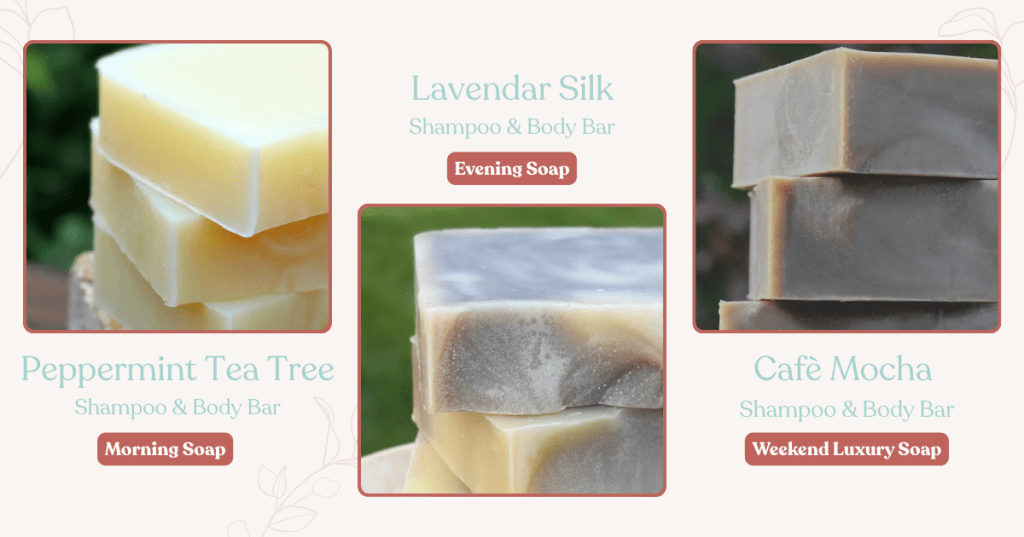
Does he love coffee? Get him the Café Mocha bar, with real coffee.

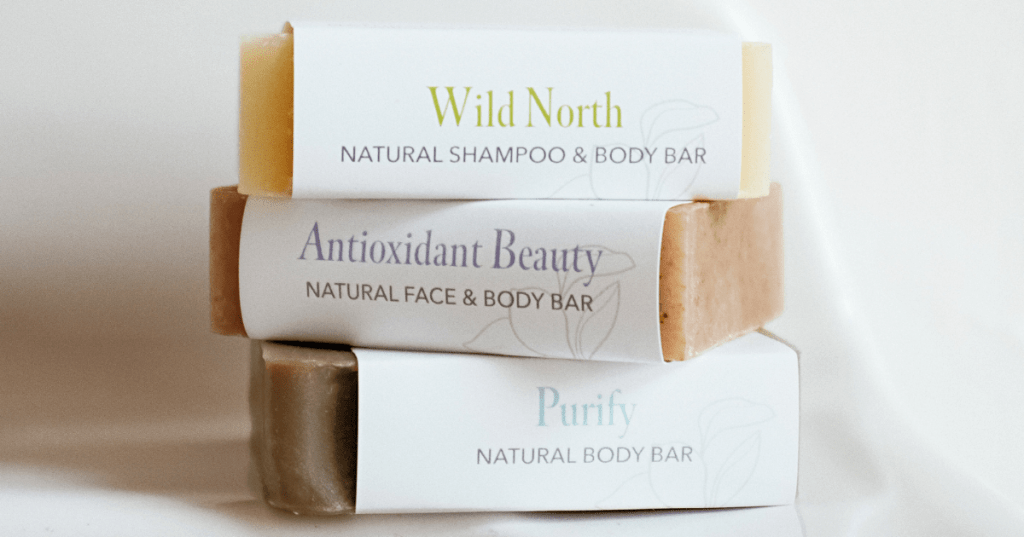
Did you take a trip up north and hike through pine forests? Wild North soap, that smells like that exact memory.

Then add variety for different moods,

Morning soap – Something that wakes you up. Peppermint. Eucalyptus. Citrus. The kind of scent that makes you feel ready to tackle your to-do list.

Evening soap – Lavender, chamomile, maybe vanilla. The olfactory equivalent of permission to stop working. Try the Lavender Silk bar or Lavender Chamomile.

Weekend luxury soap – This is your exfoliating bar. The soap you use when you have time to actually feel it working.

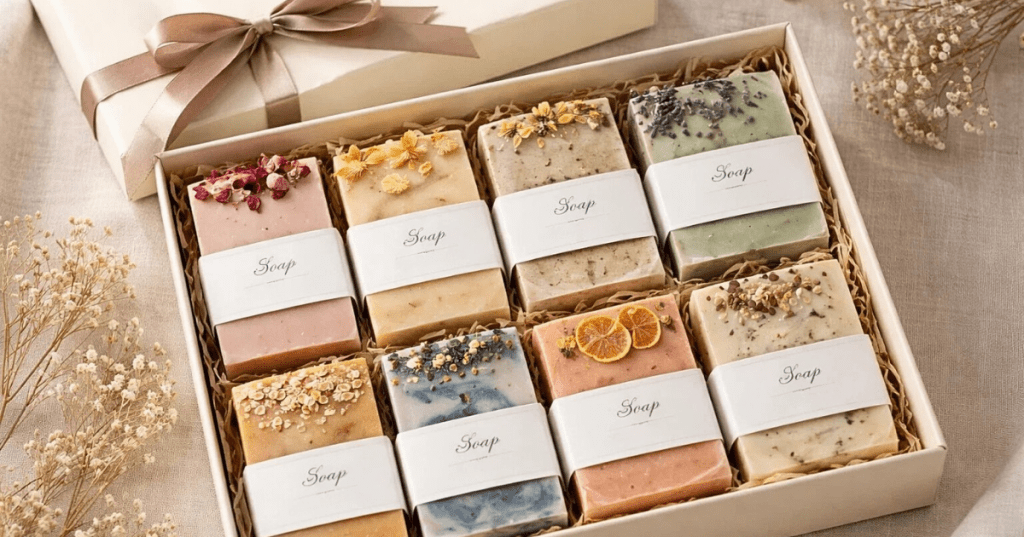
Apple Valley Natural Soap has enough variety that you can build this collection without buying six different types of the same floral soap. They do simple well – pure olive oil castile if someone just wants clean without complexity. We also do complex well – soaps with shea butter, cocoa butter, botanical extracts that sound fancy but actually do something for your skin.

Presentation matters, but don’t get weird about it.

I’ve seen people wrap individual soaps in tissue paper tied with twine and tuck them into vintage wooden boxes with dried flowers and handwritten cards explaining the symbolic meaning of each ingredient.

That’s… a lot.

Do this instead. Stack them in a simple box. Add a note card that says something real. “The lavender one reminded me of your garden.” “The café mocha soap is because you’re the only person I know who drinks it black at 9 PM.” “I have no idea if you’ll like the peppermint one but the lady at the market said it was good.”

Authenticity beats Pinterest perfection every single time.

The Budget Reality No One Talks About

Valentine’s Day has become this weird financial stress test where love gets measured in dollars spent. Restaurants jack up their prices. Jewelry stores run ads implying that anything under a certain price point means you don’t really care. Florists charge triple for roses that’ll be dead before the weekend.

It’s exhausting and it’s nonsense.

A thoughtfully assembled collection of artisanal soaps from Apple Valley Natural Soap runs you $30 to $50 depending on how many bars you choose. That’s less than most Valentine’s dinner appetizers. But here’s what you get for that investment:

Many weeks of daily use (longer if they’re savoring them).

Every single shower becomes a moment where they think of you.

No guilt about “wasting” an expensive gift (unlike the chocolate they’re trying not to eat or the flowers they feel bad about throwing away).

Something that actually improves their skin instead of just looking pretty.

Plus, and this matters to a lot of couples I know, you’re supporting actual small business artisans instead of feeding the Valentine’s industrial complex. The person making your soap probably learned the craft because they cared about ingredients and tradition, not because they ran profit projections on seasonal gift trends.

There’s also the sustainability angle if that’s important to your relationship. No harsh chemicals. No synthetic fragrances that trigger headaches. No excessive plastic packaging that sits in landfills. When you share values about how you want to move through the world, a gift that reflects those values means more than one that contradicts them.

What Makes Apple Valley Natural Soap Different

Most artisanal soap makers do one thing really well. Apple Valley does several things well, which is why they work for Valentine’s gifting.

The romantic obvious choices. Our Lavender Silk and Lavender Chamomile soaps use real lavender essential oil and botanicals. Not synthetic fragrance that smells vaguely floral. The real thing. When someone uses it, their bathroom smells like an actual garden, not a candle that’s supposed to smell like a garden.

The unexpected Valentine’s choices. Warm spice blends with cinnamon and clove that make February feel cozy instead of just cold. These work for people who roll their eyes at traditional Valentine’s aesthetics but still want something special.

The personalized choices. This is where you get smart about your relationship.

Did you meet at a coffee shop? [Café Mocha soap]. Does she grow lavender in the backyard? Lavender soap becomes an inside reference. Did he mention once, three years ago, that he likes the smell of vanilla? You remembered. That matters.

One guy I know gives his wife a new artisanal soap every month with a note about why he picked it. February was lavender because it was obvious. June was lemon verbena because that’s when they got married and her bouquet had herbs in it. October was pumpkin spice as a joke because she refuses to be basic but secretly loves fall. It’s become their thing. She saves the note cards.

That’s what I mean about gifts that keep giving. The soap itself is great. The pattern of thoughtfulness is what actually builds a relationship.

Making It a Ritual Instead of Just a Product

Here’s what separates a nice gift from something that changes your relationship dynamic.

Slow down and actually experience it.

Not in a precious, Instagram-worthy way. Just… slow down. Light a candle if you want. Put on music you both like. Draw a bath that’s actually full instead of the quick shower you usually take. Let the soap sit in your hands and warm up before you lather it. Notice what it smells like. How it feels. Whether your skin feels different after.

This sounds simple because it is simple. But most of us rush through bathing like it’s just another task to check off. When someone you love gives you permission, actually encourages you, to take thirty minutes for yourself, that’s a gift beyond the physical soap.

Beyond Valentine’s Day: Building a Pattern

Valentine’s Day is a good excuse to start, but the real opportunity is building something that lasts.

Keep a running mental note of soaps they loved and soaps they didn’t. Pay attention to which bars disappear fast and which ones sit unused. That information tells you something about the person you’re building a life with.

The couples I know who do small, consistent gestures instead of big, occasional ones seem happier. Less stressed. More connected. The soap thing works because it’s low stakes but high frequency. Nobody feels pressure about a $12 bar of soap. But getting one regularly because your partner pays attention? That adds up to feeling known and cared for.

Maybe it’s picking up a new seasonal scent when you’re out. Maybe it’s replacing their favorite bar before it runs out. Maybe it’s surprising them with something you think matches their mood or the season you’re in together.

Why This Actually Works

You’re not just giving soap. You’re giving weeks of small moments where someone thinks “they chose this for me because they know me.” You’re creating opportunities for rituals that strengthen connection. You’re supporting craft and tradition and small business instead of feeding the Valentine’s commercial machine.

This Valentine’s Day, choose to give love naturally. Pick soaps that actually connect to your specific relationship. Write a real note, not a greeting card message. Present them without apology or explanation. And watch what happens when something as simple as artisanal soap becomes a language you speak together.

Visit Apple Valley Natural Soap and start building a gift that matters more than its price tag suggests.

Related Reading

For more information about nourishing your skin from head to toe using gentle, natural approaches, dive deeper into these related articles:

How to Make Your Own Essential Oil Blends at Home

Image by Mareefe from Pixabay
Guest post by Megan Allen

Creating homemade essential oil blends can be a satisfying and aromatic experience. Not only can you customize scents to suit your preferences, but you can also tailor blends for specific benefits, from relaxation to energy boosts. This guide will walk you through the essentials of blending and the tools needed. In addition, provide recipes using popular oils and blends.

Essential Oil Basics

Concentrated extracts from plants, which are known for their aromatic and therapeutic properties, are called essential oils. They capture the essence of fragrance and beneficial compounds, derived from different parts of plants like leaves, flowers, and roots.

Common uses of essential oils include aromatherapy, where you inhale them for their calming or invigorating effects, and topical applications, where they alleviate skin conditions, pain, and inflammation. Additionally, essential oils can enhance mood, improve sleep, and support overall well-being, making them a versatile addition to daily routines.

Essential oils come in two main types: single oils and blends.

Single essential oils are pure extracts from specific plants, capturing their distinct fragrance and therapeutic properties. 

Popular examples include Lavender, renowned for its calming and sleep-enhancing effects, and Peppermint, known for its refreshing aroma and ability to relieve headaches and improve focus. Eucalyptus is frequently used for respiratory support, while Tea Tree oil is a powerful antiseptic and antifungal agent.

Blended essential oils combine multiple single oils to create synergistic effects that enhance their individual benefits. For instance, combining Lavender and Peppermint can offer relaxation and mental clarity, making such blends versatile for various applications.

When choosing the essential oils mix, it’s important to consider which carrier oil to use in the blend. Carrier oils, such as coconut, jojoba, and almond oil, dilute essential oils before topical application. Dilution is necessary because essential oils are highly concentrated and can cause skin irritation if applied directly. These carrier oils also help with the absorption into the skin, ensuring efficient delivery of therapeutic properties.

Tools and Materials Needed

To create your essential oil blends at home, you will need the following tools and materials:

Necessary Tools

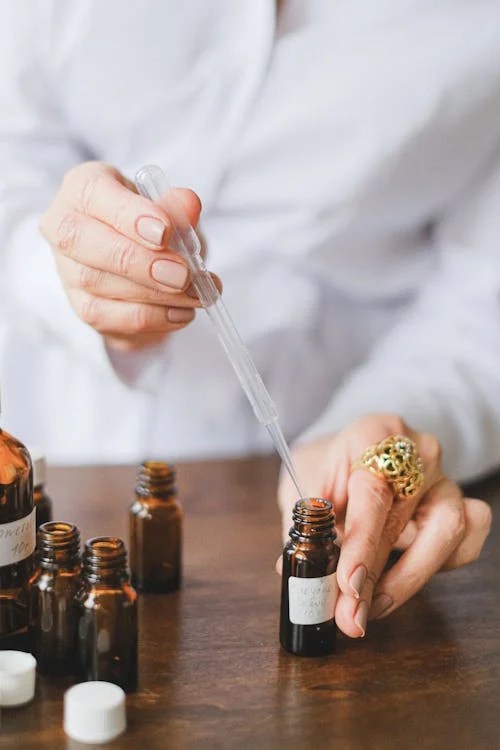
  • Droppers: For precise measurement
  • Dark Glass Bottles: Protect oils from light and extend their shelf life.
  • Mixing Bowls or Beakers: For the blending process
  • Measuring Spoons: To ensure accurate ratios

Ingredients

  • Essential Oils: A variety of single essential oils for different purposes (e.g., Lavender, Peppermint, Eucalyptus)
  • Carrier Oils: Some examples are coconut oil, jojoba oil, and almond oil.

Optional Tools

Besides the basic tools previously mentioned, there are additional accessories that can improve your experience of blending essential oils. For instance, a Nugsmasher can assist in extracting essential oils by applying heat and pressure when you don’t have pre-extracted oils. This tool introduces a new aspect to blending oils at home. You can get yours at Green Thumb Depot if you want to extract oils this way.

Other optional tools include the following:

  • Aromatherapy Diffusers: Disperse your blends into the air.
  • Roller Bottles: Make application easy and convenient.
  • Labels: To mark and identify your blends.
  • Funnels: For transferring oils into bottles without spills.
  • Pipettes: To add small amounts of oils precisely.

Steps to Creating Your Blends

Step 1: Decide on Your Purpose

Identify the purpose of your essential oil blend by considering what you want to achieve, such as relaxation, an energy boost, improved focus, mood enhancement, or respiratory support.

For relaxation, select oils like Lavender and Chamomile, which promote calmness. Invigorating oils like Peppermint and Lemon are suitable if your goal is an energy boost. Defining your goal will guide you in selecting the best oils to create a personalized blend.

Step 2: Determine the Ratios

Understand basic blending ratios, focusing on top, middle, and base notes. Top notes, like Lemon or Peppermint, are light and evaporate quickly, providing an initial burst of scent. Middle notes, such as Lavender or Eucalyptus, are more balanced and last longer, forming the core of your blend. 

Base notes, like Sandalwood or Patchouli, are heavy and linger, grounding the blend. The commonly used ratio is three parts for the top note, five parts for the middle note, and two parts for the base note. Adjust these ratios to balance the overall scent and effectiveness.

Step 3: Mix the Oils

Combine the measured oils in a clean mixing bowl or beaker, ensuring you mix them thoroughly by stirring gently. This step is crucial to achieve a well-balanced blend where all the different oils harmonize effectively.

Step 4: Test Your Blend

Evaluate your blend by performing a scent test and a skin test. For the scent test, apply a drop of the blend to a blotter or cotton ball and smell it at intervals—immediately, after 30 minutes, and after an hour—to understand how the scent evolves.

For the skin test, dilute a small amount of the blend in a carrier oil and apply it to a small patch of your skin to check for any adverse reactions. Following these tests, adjust the blend as necessary by modifying the quantities of specific oils.

Step 5: Store Your Blend

Ensure your blend retains its potency by transferring it into dark glass bottles, which protect the oils from light. Label each bottle clearly with the name of the new blend and its creation date. Store the bottles in a cool, dark place away from heat and direct sunlight, which can degrade the oils over time.

Popular Blends You Can Consider

Lavender Bliss Blend

This blend combines the soothing scents of lavender, sweet orange, and cedarwood. It can help create a relaxing atmosphere, reduce stress, and promote restful sleep. The floral and woody notes work harmoniously to calm the mind and body, making it ideal for use in diffusers, bedtime routines, or as a calming massage oil.

Citrus Fresh Blend

A vibrant mix of lemon, grapefruit, and lime essential oils, this blend is designed to uplift and energize. The refreshing citrus aroma is perfect for boosting mood and revitalizing your space. In order to create a fresh, clean scent, use it in a diffuser or add a small amount to your cleaning solutions.

Peppermint Eucalyptus Blend

This blend is great for clearing nasal passages and improving concentration, combining the benefits of peppermint, eucalyptus, and rosemary. It is ideal for use during the cold season or when you need a mental boost. Apply it in a steam inhalation or use it in a diffuser to breathe easier and think clearer.

Calming Harmony Blend

This blend features bergamot, ylang-ylang, and patchouli, creating a balanced and tranquil atmosphere. It is perfect for reducing anxiety and promoting relaxation. The sweet, floral, and earthy notes make it suitable for meditation or unwinding after a long day. Use it in a diffuser or as a soothing body oil.

Immune Support Blend

A powerful combination of tea tree, lemon, clove, and eucalyptus, this blend is designed to boost immunity and fight off colds. Its antiseptic properties make it ideal for disinfecting and purifying the air. Use it in a diffuser during flu season, or add it to your homemade cleaning solutions for an extra germ-fighting boost.

Conclusion

Creating your essential oil blends at home is simple and enjoyable. With a wide range of essential oils available, such as Lavender, Peppermint, Eucalyptus, and more, you can craft blends tailored to your specific needs, whether for relaxation, energy, or immune support.

The process involves understanding scent profiles, experimenting with combinations, and making adjustments based on your preferences. Making your blends ensures natural, suitable solutions for various wellness goals. 

Thanks for reading!


The Lowdown on Deodorant: Why We Choose Natural Ingredients

Misconceptions about deodorant

When I broke my leg in eighth grade while downhill skiing I was perplexed. I had been wearing my deodorant the entire time, yet there I was with a spiral fracture in my right tibia.

24 hour protection. Pshhh, yeah right!

While it may have been my eighth grade error of misinterpreting exactly what type of protection my deodorant was offering, there is certainly a valid reason for the disillusionment caused by that bold, 24 hour protection claim. Many ingredients in household name deodorants have been under speculation for causing more damage to our bodies than protection. Chemicals such as phthalates and parabens are capable of disrupting hormone balances in the body and exposure to these chemicals has been linked to breast cancer. The worst part is, this isn’t the first time deodorant ads have been deceiving.

The rise of deodorant and women’s sports

Up until deodorant was invented in the late 1800s, natural, healthy body odor wasn’t considered a problem, but the deodorant company aided it in becoming one. Advertisements claimed that the reason behind a woman’s popularity with men was dependent on how she smelled.

Interestingly enough, if you look at the history of women’s participation in athletic activity, the late 1800’s also saw a rise in the formation of women’s informal athletic clubs (The Sport Journal). So while false advertising was inappropriately preying on women’s self esteem, the increased need for deodorant may have been completely relevant for our great-great-great-great-grandmothers who were movin’ and groovin’.

For a long time, women were discouraged from physical activity. In Aristotle’s time, it was believed that every human had a limited amount of energy and if women engaged in too much intellectual stimulation or physical exertion they wouldn’t have enough energy left for child-bearing (National Woman’s History Museum). Obviously, Aristotle didn’t know that if you have enough strength to birth a child and then spend the next five years raising it you’ve probably got quite a bit of moxie.

Women today

Yes, this is me! I wish I was still this flexible!

Women in the late 1800s and early 1900s enjoyed tennis, bowling, and archery. Women today still enjoy these sports, along with other sports like soccer, football, and hockey. According to an article in The Sport Journal, “College women’s athletic participation has increased from 15% in 1972 to 43% in 2001. High school girl’s athletic participation increased from 295,000 in 1971 to 2.8 million in 2002-2003, an increase of over 840%.”

I was a dancer up until I started college and I wore deodorant, not because I was afraid of being rejected at the school dance, but because I didn’t want sweat or stink getting in the way of my hard work. Sports aren’t the only activity that work up a sweat, many jobs require manual labor, as well as household chores (maneuvering a vacuum around takes muscle!). Regardless of the form, physical activity not only benefits the body, it benefits the mind.

Our goal at Apple Valley Natural Soap

We want you to embrace your right to move, which is why we’ve created a Natural Deodorant Creme that is safe and effective. I know it can sound a bit intimidating. I’m used to the idea that my armpits are a force that only a complex formula of hard-core chemicals can tame, but if you look at the chemicals in common deodorant versus the ingredients we use, you’ll see that nature has the upper-hand.

Apple Valley Natural Soap takes the field with an all-star team of sweat and odor-eliminating ingredients

Natural odor-eliminating ingredients on offense

Virgin Coconut Oil — Contains lauric acid — a fatty acid that makes up 50% of coconut oil and demolishes bacteria with its antimicrobial properties.

Aluminum-Free Baking Soda — Sweat is odorless, but bacteria breaks it down into acidic waste causing it to take on an odor. Baking Soda’s Basic pH tampers with the acidity, eliminating the odor and being basically AWESOME.

Natural sweat-eliminating ingredients on defense

Diatomaceous Earth — The fossilized remains of very small aquatic organisms called diatoms. Their skeletons are made up of natural silica, which has absorption properties. This versatile player works to absorb sweat and also dries up bacteria.

Arrowroot Powder — Another absorption agent, and totally gluten free!

Kaolin Clay — A gentle clay that won’t dry out sensitive skin. Removes toxins and lets skin breathe.

Our natural Deodorant Creme comes scented (with essential oils picked especially for the additional boost of their antimicrobial properties) as well as unscented. Now, get out there and move!

Much Love,

Nora