Make The Most Of This Autumn Season

Autumn is a very divided season! Some love it, while others look upon it with dread. For some, it is a refreshing season, the coolness in the mornings and evenings is a welcome change after the heat of the Summer. Others look at the Autumn months as nothing more than the gateway to winter. Too cold. Too gray. Marking the end to yet another gloriously warm Summer. Well, I am here today to do my best to help you embrace the change in season for all it can be – fun, refreshing, cozy, and oh so enjoyable. Here are my top tips for embracing the Autumn months and finding joy in the changing seasons.

1. Nature Walks

There is quite simply nothing like getting outside in October and going for a walk in nature! The vibrant colors all around you, the coolness in the air, and the sounds of nature preparing for a season of rest. There is something truly magical about how the trees put on such a show for us with all of their fiery yellows, oranges, and reds and dark greens. Wether you go with your family, a friend, your kids, or just by yourself, I encourage you to find a nature park or trail near you, get outside, and enjoy a walk surrounded by nature embracing the changing season.

2. Apple Orchards

Nothing screams Autumn quite like going to a good old apple orchard. The kids love it, the adults love it, and even grandma loves the fresh apples she gets to turn into yummy pies, jelly’s, and apple sauces. Find a local apple orchard, pack up the car with your family or friends, bring a picnic lunch, and enjoy a Saturday at the orchard picking apples, eating fresh apple cider doughnuts, and enjoying the cooler weather.

3. A Bonfire Night With Friends and Neighbors

One exciting thing about Autumn is the cooler mornings and evenings! Perfect for a warm bonfire outside with some toasty marshmallows. Invite your friends and neighbors to come over and join you by the fire (maybe with a Hot Toddy in hand) and let yourself relax into the simplicity of the night, the community, and crisp Autumn air.

4. Hot Apple Cider

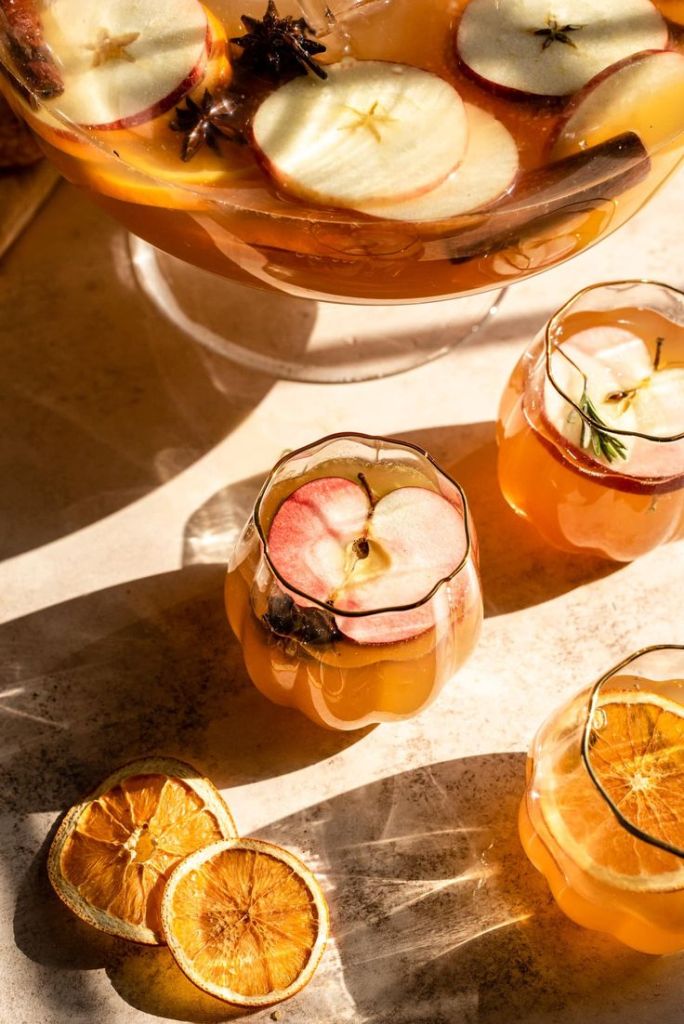
You can pair this one with the one above, but I thought it was only right to give it it’s own feature spot. Apple cider is an Autumnal staple, some drink it cold (weirdos), while us normal people drink it piping hot. And some even like to spice it up a bit by making a Hot Toddy for a little extra warmth on a cool night. But no matter how you like to enjoy your cider, we can all agree it is a staple in Autumn and there is something both cozy and refreshing about drinking an apple cider a the orchard, around a bonfire, or cozied up on your couch in the evening with a good movie or book.

5. Baking An Autumnal Recipe

There are so many options to choose from, just pick your favorite! Pumpkin, apple, zucchini, molasses, maple, cranberry, and the list goes on. Choose your favorite flavors and spend some time in the kitchen with a candle, a cup of coffee or cider, and bake a delicious Autumnal recipe for your family and friends (or eat it all yourself, there is no judgement here.) Pumpkin loaf with cream cheese frosting. Apple pie with maple ice cream. Chocolate chip zucchini bread. Molasses cookies. Maple brown butter cookies. White chocolate and cranberry scones. Pick your favorite and start baking!

6. Decorate You Home For Autumn

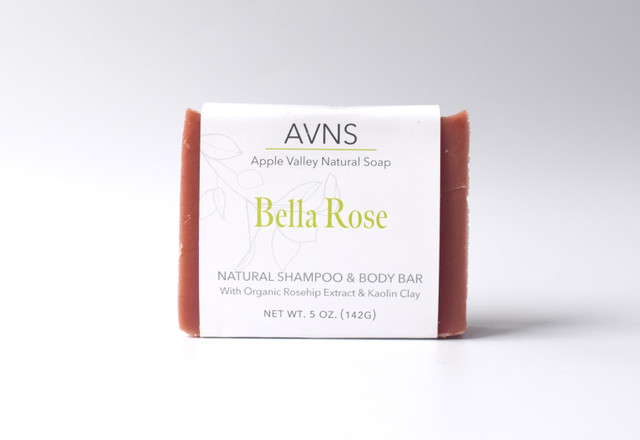
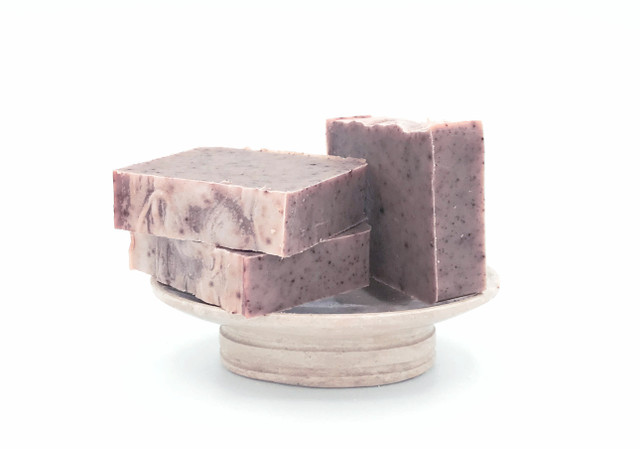
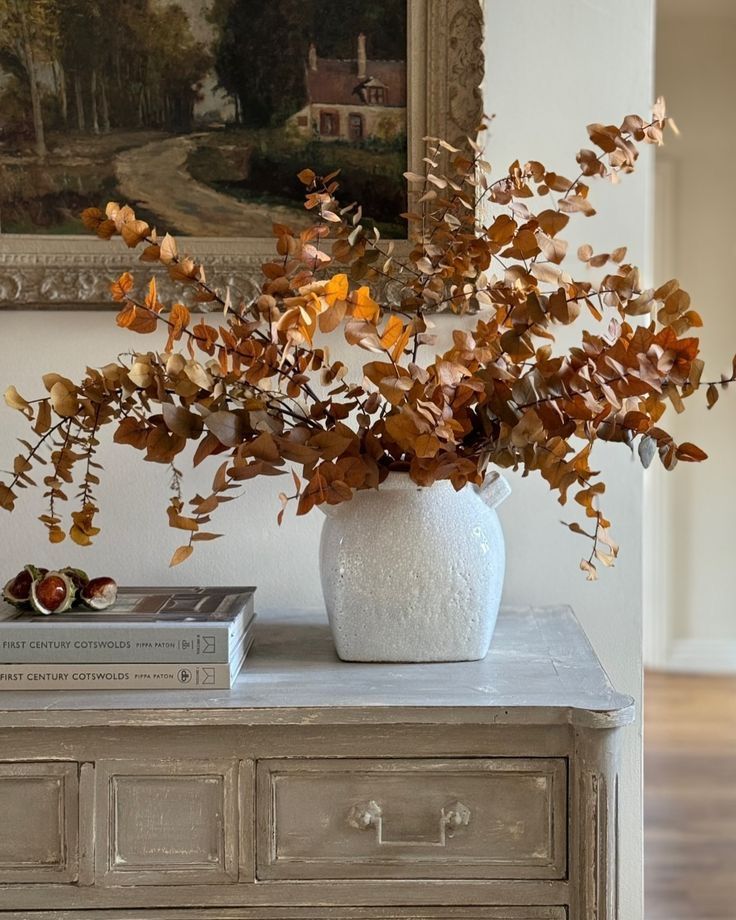
This might be one of my favorite ways to embrace the changing season. I love a fresh space that welcomes the season and brings a bit of newness into my home. And the fun part is, there isn’t just one way to decorate your home! That is entirely up to you and your personal style. You can take inspiration from Pinterest, seasonal home magazines, or home decor shops. Or you can go entirely off the vision in your head! Have fun with it, bring your favorite parts of the season into your home, wether that is pumpkins, oak branches, or wheat. Oranges, greens, or golden yellows. Get creative and have fun! You can also bring Autumn into your home with scents through candles and soaps. Stock your bathrooms and kitchen with Apple Valley Natural Soap Seasonal Fall Soaps like Pumpkin Spice, Spice Cake, and Black Licorice.
Wether you already love the Autumn season or this is a season of dread for you, I hope this blog gave you some inspiration on ways you can embrace the change in season and enjoy it for what it is. A new season, a fresh start, full of new possibilities, and ready for you to make new memories. I hope I was able to help you embrace the change in season for all it can be and you were able to find some good take-aways from my top tips for embracing the Autumn months and finding joy in the changing seasons.

Do you have a favorite way to celebrate the changing seasons, specially this autumn? Share with us in the comments below and let’s start a conversation!

If you found this post interesting, learned something new, or think of someone who might enjoy reading it, please share this blog post with your family and friends. It means the world to us! You can also leave us a comment to let us know what you learned or share one of your favorite autumn hair care or skin care tips with us. We would love to hear from you!

All my love and have a happy week,

Amanda

How to Make Your Own Essential Oil Blends at Home

Image by Mareefe from Pixabay
Guest post by Megan Allen

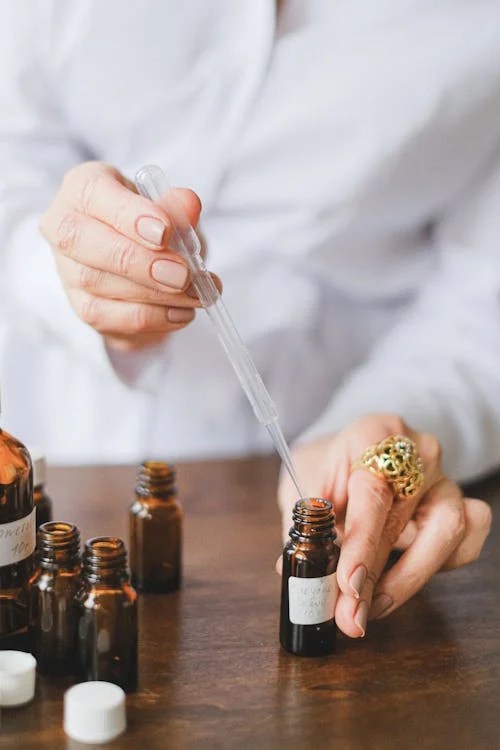
Creating homemade essential oil blends can be a satisfying and aromatic experience. Not only can you customize scents to suit your preferences, but you can also tailor blends for specific benefits, from relaxation to energy boosts. This guide will walk you through the essentials of blending and the tools needed. In addition, provide recipes using popular oils and blends.

Essential Oil Basics

Concentrated extracts from plants, which are known for their aromatic and therapeutic properties, are called essential oils. They capture the essence of fragrance and beneficial compounds, derived from different parts of plants like leaves, flowers, and roots.

Common uses of essential oils include aromatherapy, where you inhale them for their calming or invigorating effects, and topical applications, where they alleviate skin conditions, pain, and inflammation. Additionally, essential oils can enhance mood, improve sleep, and support overall well-being, making them a versatile addition to daily routines.

Essential oils come in two main types: single oils and blends.

Single essential oils are pure extracts from specific plants, capturing their distinct fragrance and therapeutic properties. 

Popular examples include Lavender, renowned for its calming and sleep-enhancing effects, and Peppermint, known for its refreshing aroma and ability to relieve headaches and improve focus. Eucalyptus is frequently used for respiratory support, while Tea Tree oil is a powerful antiseptic and antifungal agent.

Blended essential oils combine multiple single oils to create synergistic effects that enhance their individual benefits. For instance, combining Lavender and Peppermint can offer relaxation and mental clarity, making such blends versatile for various applications.

When choosing the essential oils mix, it’s important to consider which carrier oil to use in the blend. Carrier oils, such as coconut, jojoba, and almond oil, dilute essential oils before topical application. Dilution is necessary because essential oils are highly concentrated and can cause skin irritation if applied directly. These carrier oils also help with the absorption into the skin, ensuring efficient delivery of therapeutic properties.

Tools and Materials Needed

To create your essential oil blends at home, you will need the following tools and materials:

Necessary Tools

  • Droppers: For precise measurement
  • Dark Glass Bottles: Protect oils from light and extend their shelf life.
  • Mixing Bowls or Beakers: For the blending process
  • Measuring Spoons: To ensure accurate ratios

Ingredients

  • Essential Oils: A variety of single essential oils for different purposes (e.g., Lavender, Peppermint, Eucalyptus)
  • Carrier Oils: Some examples are coconut oil, jojoba oil, and almond oil.

Optional Tools

Besides the basic tools previously mentioned, there are additional accessories that can improve your experience of blending essential oils. For instance, a Nugsmasher can assist in extracting essential oils by applying heat and pressure when you don’t have pre-extracted oils. This tool introduces a new aspect to blending oils at home. You can get yours at Green Thumb Depot if you want to extract oils this way.

Other optional tools include the following:

  • Aromatherapy Diffusers: Disperse your blends into the air.
  • Roller Bottles: Make application easy and convenient.
  • Labels: To mark and identify your blends.
  • Funnels: For transferring oils into bottles without spills.
  • Pipettes: To add small amounts of oils precisely.

Steps to Creating Your Blends

Step 1: Decide on Your Purpose

Identify the purpose of your essential oil blend by considering what you want to achieve, such as relaxation, an energy boost, improved focus, mood enhancement, or respiratory support.

For relaxation, select oils like Lavender and Chamomile, which promote calmness. Invigorating oils like Peppermint and Lemon are suitable if your goal is an energy boost. Defining your goal will guide you in selecting the best oils to create a personalized blend.

Step 2: Determine the Ratios

Understand basic blending ratios, focusing on top, middle, and base notes. Top notes, like Lemon or Peppermint, are light and evaporate quickly, providing an initial burst of scent. Middle notes, such as Lavender or Eucalyptus, are more balanced and last longer, forming the core of your blend. 

Base notes, like Sandalwood or Patchouli, are heavy and linger, grounding the blend. The commonly used ratio is three parts for the top note, five parts for the middle note, and two parts for the base note. Adjust these ratios to balance the overall scent and effectiveness.

Step 3: Mix the Oils

Combine the measured oils in a clean mixing bowl or beaker, ensuring you mix them thoroughly by stirring gently. This step is crucial to achieve a well-balanced blend where all the different oils harmonize effectively.

Step 4: Test Your Blend

Evaluate your blend by performing a scent test and a skin test. For the scent test, apply a drop of the blend to a blotter or cotton ball and smell it at intervals—immediately, after 30 minutes, and after an hour—to understand how the scent evolves.

For the skin test, dilute a small amount of the blend in a carrier oil and apply it to a small patch of your skin to check for any adverse reactions. Following these tests, adjust the blend as necessary by modifying the quantities of specific oils.

Step 5: Store Your Blend

Ensure your blend retains its potency by transferring it into dark glass bottles, which protect the oils from light. Label each bottle clearly with the name of the new blend and its creation date. Store the bottles in a cool, dark place away from heat and direct sunlight, which can degrade the oils over time.

Popular Blends You Can Consider

Lavender Bliss Blend

This blend combines the soothing scents of lavender, sweet orange, and cedarwood. It can help create a relaxing atmosphere, reduce stress, and promote restful sleep. The floral and woody notes work harmoniously to calm the mind and body, making it ideal for use in diffusers, bedtime routines, or as a calming massage oil.

Citrus Fresh Blend

A vibrant mix of lemon, grapefruit, and lime essential oils, this blend is designed to uplift and energize. The refreshing citrus aroma is perfect for boosting mood and revitalizing your space. In order to create a fresh, clean scent, use it in a diffuser or add a small amount to your cleaning solutions.

Peppermint Eucalyptus Blend

This blend is great for clearing nasal passages and improving concentration, combining the benefits of peppermint, eucalyptus, and rosemary. It is ideal for use during the cold season or when you need a mental boost. Apply it in a steam inhalation or use it in a diffuser to breathe easier and think clearer.

Calming Harmony Blend

This blend features bergamot, ylang-ylang, and patchouli, creating a balanced and tranquil atmosphere. It is perfect for reducing anxiety and promoting relaxation. The sweet, floral, and earthy notes make it suitable for meditation or unwinding after a long day. Use it in a diffuser or as a soothing body oil.

Immune Support Blend

A powerful combination of tea tree, lemon, clove, and eucalyptus, this blend is designed to boost immunity and fight off colds. Its antiseptic properties make it ideal for disinfecting and purifying the air. Use it in a diffuser during flu season, or add it to your homemade cleaning solutions for an extra germ-fighting boost.

Conclusion

Creating your essential oil blends at home is simple and enjoyable. With a wide range of essential oils available, such as Lavender, Peppermint, Eucalyptus, and more, you can craft blends tailored to your specific needs, whether for relaxation, energy, or immune support.

The process involves understanding scent profiles, experimenting with combinations, and making adjustments based on your preferences. Making your blends ensures natural, suitable solutions for various wellness goals. 

Thanks for reading!


DIY Vanilla Inspired Spa Day!

Apple Valley Natural Soap loves using vanilla in products like our Sweet Vanilla Body Polish or Vanilla Bean Lip Balm to give them a warm, dreamy scent, but did you know that vanilla has multiple beauty benefits for your skin? Vanilla is full of skin-protecting, skin-perfecting antioxidants and may help reduce fine lines and help clear up acne! Vanilla is the perfect spa-inspo for the fall season, so enjoy these three vanilla related projects that are fun to make and enjoy!

DIY VANILLA EXTRACT RECIPIE

Once you’ve tried homemade vanilla extract you won’t go back! This delicious vanilla extract tastes great in baked goods and saves you money!

This vanilla extract recipe comes straight from Natasha’s Kitchen, to turn this recipe into a cute gift check out the original post for more details!

Ingredients for DIY Vanilla Extract

Vanilla Extract Ingredients (makes 12 (4oz) jars):

Tools you’ll need for Homemade Vanilla Extract:

  • Small funnel or measuring cup with pouring lip
  • 12 4oz clear bottles with lids (avoid cork lids)
  • Labels click here to save and print the labels
  • Kitchen scissors or sharp knife

Instructions

  1. Wash and sanitize bottles and lids: Wash with mild soapy water, rinse, then carefully swirl with boiling hot water to sanitize them.
  2. Cut beans in half then Split beans (it’s easiest with kitchen scissors), cutting them about halfway down the stem. If the beans are too dry to split, cut them into 1″ pieces. Place a total of 1 1/2 whole beans in each jar (or 3 split halves).
  3. Use a funnel to pour vodka to the top of jar. Cover tightly with lid and let them brew for 2 months, shaking occasionally.

DIY VANILLA BATH SALTS

There is nothing like filling your tub with vanilla! These naturally scented vanilla bath salts are here for you and your “me time”!

This bath salt recipe is from Real Housemoms, this project also makes a fast and easy gift or favor in a pinch, read more about it here! Check out the website for more recipes and Holiday ideas!

Ingredients for DIY Vanilla Bath Salts

Vanilla Bath Salt Ingredients

Instructions

  • Add the epsom salts and baking soda to a small bowl.
  • Top with 5 drops of vanilla essential oil (or more if desired) and stir until salt, baking soda and oils are combined.
  • Add food coloring if desired to tint the salts; this may be preferred if you are gifting but is not necessary if you’re creating for your own bath.

At this point, if you’re using at home, transfer the salts to a jar and seal to keep fresh until use. You’ll want to use about a half cup of salts for a full bath. If you’re looking to gift these DIY Vanilla Bath Salts, you might want to add a little brown food coloring like I did here to give the salts a little color.

DIY VANILLA LATTE FACIAL MASK

This mask promises a youthening, brightening, moisturizing treat for your skin! I love how unique this mask from Gigi’s Adventures is…and you can find more unique face masks here too!

Ingredients For DIY Cinnamon Vanilla Latte Face Mask

  • 1 cup of Milk (whichever you like)
  • 2-3 Cinnamon Sticks or 1-2 teaspoons of Cinnamon Powder
  • 1 teaspoon of Vanilla Extract or 1 Vanilla Bean
  • 1 Tablespoon of Cornstarch

Instructions

The first thing you want to do is heat up your milk, and keep going until it reaches a simmering point.

Once it’s there, add the cinnamon sticks or powder and the vanilla bean or extract; if you decided to go for the sticks and beans, it would be great to let them infuse for a bit and then take them out.

As soon as the milk is boiling and the ingredients are perfectly infused into it, it’s time to take about 3 tablespoons out of it and mix them with cornstarch.

Apple Valley Natural Soap Vanilla Products

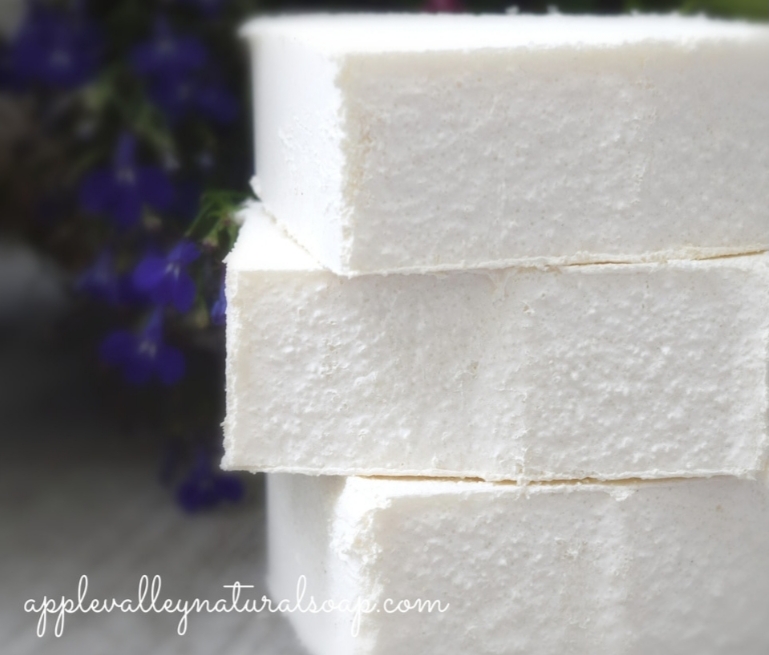
If you still haven’t had enough vanilla you can always top off your spa day with a sudsy lather of our gentle and uber-moisturizing Cocoa Butter and Vanilla Bean Face and Body Bar!

Much Love,

Nora 


Essential Oils That Repel Bugs

For outdoor enthusiasts who want to enjoy hiking, camping, and gardening without being constantly attacked by flies and mosquitoes…here is a list of essential oils known to repel bugs, some of our recommended natural soaps that include these essential oils, and a natural bug spray recipe.

5 Essential Oils That Repel Bugs

  1. Lemon Eucalyptus: known to keep mosquitoes at bay for a few hours after application.
  2. Peppermint: supposedly keeps spiders away.
  3. Citronella: used in the making of many “bug repellant” candles, this essential oil is helpful for keeping mosquitoes away when correctly prepared.
  4. Cinnamon: known for keeping wasps and spiders away. According to One Essential Community, “use cinnamon bark in addition to powdered cinnamon to get rid of ants! It messes up their pheromones and they get lost. So they lose their way and don’t infest further.”
  5. Lavender: this common essential oil works on common household bugs such as fruit flies and lice.

Apple Valley Natural Soaps Made With Bug Repellant Essential Oils

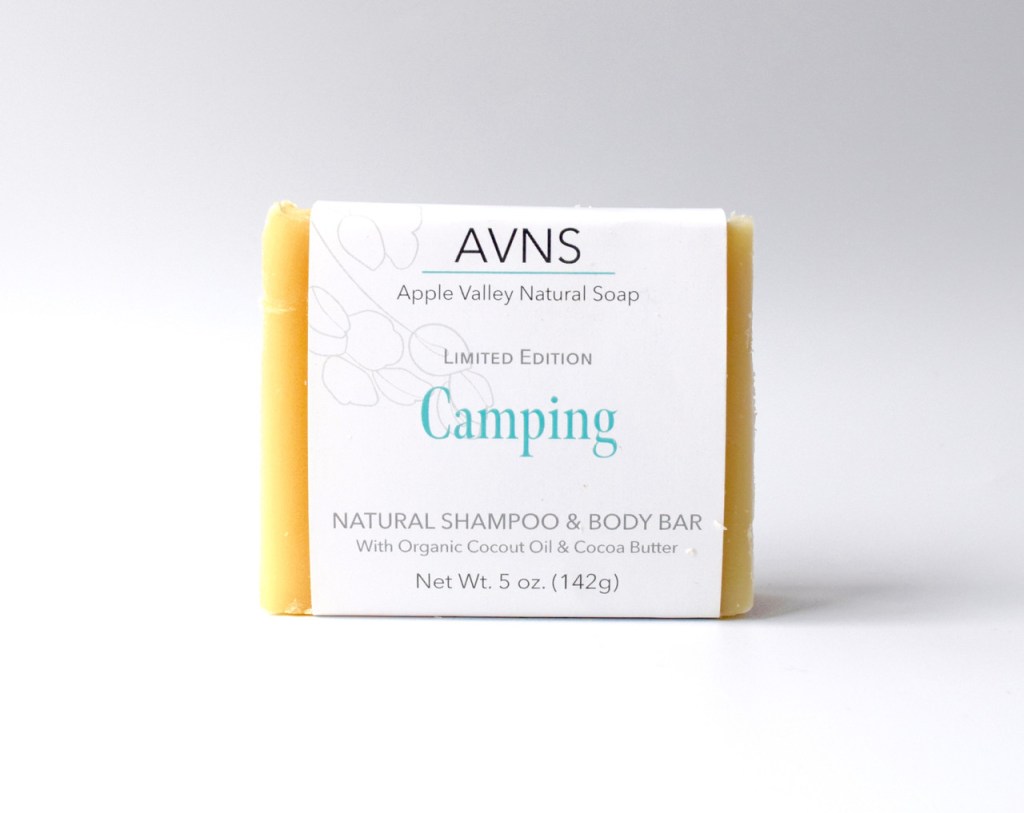
Camping Shampoo Bar Limited Edition

This one is for all you outdoorsy, adventuresome folks who like to go camping and fishing, but still want an all over clean right there at the campsite. Our Camping Shampoo/Body bar will clean you from head to toe, is biodegradable and safe to use at campsites near bodies of water. Please note that I said “near” not in!  The “Leave No Trace” guidelines state that even with biodegradable soap, the earth is needed to filter the soapy water, so it is strongly recommended that you shower or wash up 200 feet away from any body of water. You can read more about LNT here.

When you go camping with this bar, you can rest assured that you are using a product which is safe for the environment and good for you! Plus, as it’s also made with fantastic bug repelling essential oils, there’s the added benefit of an extra layer of protection from little pests.

We make limited quantities of our Limited Edition soaps, so once they are sold out, they are gone for the season.

 Ingredients: saponified oils of organic coconut, organic sustainable palm, organic olive, organic sunflower, organic shea nut butter, castor bean, and organic jojoba, rosemary oil extract, and essential oils of lemon eucalyptus, lavender, organic peppermint, organic rosemary, cedarwood, citronella, and organic lemongrass.

Lavender Lemon Salt Bar

An itch-fighting, bacteria-fighting, bug-fighting bar for the books.

This salt bar, plus our Lavender Rosemary Salt bar make a wonderful shampoo for those with itchy scalps who have tried everything under the sun (including a wide range of our products) to alleviate the itch. Even some of our team members who periodically get itchy scalps, find relief with these 2 salt bars. If you do choose to try a salt bar as a shampoo, try a sample or half bar first as this bar won’t be for everyone. If you have a lot of hair, you may find that it doesn’t lather as much as our regular shampoo bars. A suggestion for this to still get the anti itch benefits from the salt bar, but also get a rich lather, is to use the salt bar gently against the scalp and lather as much as possible, do not rinse but follow with a shampoo bar. Use the Lavender Lemon shampoo bar until you have a think lather and then rinse with water. Follow with an acidic rinse if needed.

Ingredients: saponified oils of organic coconut, organic shea nut butter, and castor bean, European spa salt, and essential oils of lavender and lemon.

Peppermint Tea Tree Shampoo Bar

This bar is so much more than just a spider repellant.

Even though our Peppermint Tea Tree shampoo bar feels great on scalp and skin, the main benefit of this bar is the health it can help restore to both hair and scalp. Nourishment and restorative properties from the specifically chosen carrier oils plus added healing from the essential oil blend.

Some of the benefits, but not limited to, are with ingredients such as Coconut oil which is a super-oil full of naturally present antioxidants, it is an excellent anti-fungal, anti-inflammatory and antibacterial. Olive oil which is packed with anti-aging antioxidants and hydrating squalene, making it superb for hair, skin, and nails. Jojoba oil is a natural anti-fungal, antibacterial and anti-inflammatory, its properties keep the scalp clean and healthy. It can also prevent hair loss and thinning caused by the clogged hair follicles as it dissolves and clears these blockages and promotes the development of new hair cells, which can lead to hair growth. Shea butter strengthens your skin by stimulating the production of collagen, it helps make your skin more supple, more alive, nourished and radiant. We could keep going, but you probably get the idea.

For the essential oils, both peppermint and tea tree essential oils have antibacterial, antiviral, anti-inflammatory properties. Peppermint adds a cooling effect which can help eliminate the urge to scratch, while tea tree, thanks to it’s fantastic anti-fungal properties, is great for fighting dandruff. Tea tree oil is a wildly popular remedy for acne and fights the fungus that causes dandruff without drying out the scalp, it can also serve as a natural conditioner and eliminate problems that lead the scalp to flake.

Ingredients: saponified oils of organic coconut, organic olive, castor bean, organic sunflower, organic sustainable palm, organic jojoba, organic shea nut butter, and mango seed butter, rosemary oil extract, and essential oils of organic peppermint and organic tea tree.

Bug Spray Recipe For Home and Yard

This recipe came from Healthline, for more bug spray recipes including one safe for skin and plants you can check out their original article!

For a DIY indoor/outdoor bug spray, you’ll need the following:

  • glass spray bottle
  • lavender essential oil
  • oil of lemon eucalyptus
  • citronella essential oil
  • distilled water
  • white vinegar

Then follow these steps:

  • Mix 10 to 20 drops of each essential oil with 2 ounces distilled water and 2 ounces of white vinegar.
  • Shake gently to mix.
  • Spray to use.

Well, we can hope that the bugs will die down in August, there’s nothing wrong with being prepared for next summer! Do you have a favorite homemade or natural bug spray you enjoy using?

Feel free to email me at nora@applevalleynaturalsoap.com with any questions or comments you may have!

Much Love,

Nora


3 Amazing DIY Face Masks

3 Do-it-yourself face mask ideas for glowing, hydrated, smooth skin

We’ve all been working so hard to mask-up everywhere we go that I thought we’d take a week to celebrate the coming of spring and give our skin a break with a different kind of face mask. Finding face masks that actually work can be difficult, but these face mask ideas use natural ingredients that will be gentle and non-irritating on skin. These masks are meant to hydrate tired skin, clear your complexion, and may even help with acne! They are easy to make with simple ingredients! It’s a spa in your own house!

Avocado Honey Face Mask

Avocados are a superfood for your skin and body. They have beneficial fats, protein, and vitamins that will help restore your skin’s suppleness by strengthening, protecting, and rejuvenating the tissue. Honey is an added hydrating bonus!

Ingredients:

1 ride avocado

2 tablespoons raw honey

1 teaspoon fresh squeezed lemon juice

Directions

  1. Peel and mash the avocado
  2. Mix avocado, honey, and lemon juice in a bowl
  3. Apply to face and let sit for 30 minutes
  4. Rinse off gently with warm water

For a bonus, you can always halve this recipe when all three ingredients have been combined and use half on your face and half as a hair mask!

Banana and Yogurt Face Mask

Is this a face mask or a breakfast parfait?! I’d totally recommend this face mask for breakfast if there wasn’t one key additional ingredient involved…apple cider vinegar! Banana is a hydrating agent for your skin, while the lactic acid in greek yogurt will brighten and smooth skin by way of exfoliation. The apple cider vinegar is a natural cleanser and additional toner that may even help fight acne!

Photo by Any Lane on Pexels.com

Ingredients

1 unripe banana

6 tablespoons of plain greek yogurt

2 tablespoons raw, organic apple cider vinegar

Directions

  1. Peels and mash the banana
  2. Mix banana, yogurt, and apple cider vinegar
  3. Apply to face and let sit for 10 minutes
  4. Rinse off gently with warm water

Again, I made this recipe large enough for you to halve it and use half on your hair and half on your face. These ingredients make for a great clarifying and hydrating hair mask!

Charcoal and Aloe Face Mask

This last mask might require some ingredients that aren’t typically  already in your cupboard, but once you own these ingredients you can do so much with them! I’m including this mask because the ingredients it uses make up a powerhouse to help combat acne!  This mask came from Hello Glow, which says, “Charcoal absorbs excess oil, while aloe is soothing and anti-inflammatory, making it an ideal ingredient to add to any acne mask.” Tea tree essential oil is known for its antimicrobial and anti inflammatory properties.

Photo by Madison Inouye on Pexels.com

Ingredients

1 tablespoon activated charcoal

1 tablespoon aloe vera gel

1 drop of tea tree essential oil

Directions

  1. Mix ingredients together in a small bowl and use your finger to mix together before applying to the skin. 
  2. Apply the charcoal mask in circular motions around your face for 1 minute.
  3. Let the mask sit for 10–15 minutes. 
  4. Rinse thoroughly and gently with warm water.

Do You Have Face Masks That Work For You?

What I love most about face masks is that there are endless combinations you can make to tailor to what it is your skin needs, for a great glycolic peel recipe click here, for more DIYs click here! ! It is very likely that you have a face mask recipe that you can’t live without. If so, we’d really love to hear about it…we may even add it to this blog!

Much Love,

Nora


Beer Rinse For Your Hair: Does it Work???

Beer = Perfect Hair?

I wish my hair was this long!

Is rinsing your hair with beer the long awaited miracle secret to long, shiny hair? Or just a hoax-y trend with no real results? I guess we’ll find out because I tried rinsing my hair with beer to see if it would truly improve my naturally textured hair (before and after pictures included). 

I’m pretty fearless when it comes to hair-related DIYs. I’ve cut my hair, I’ve highlighted my hair, I’ve even rubbed all kinds of mashed up fruits and veggies into my hair (DIY banana avocado hair mask…anyone?) but when I came across a DIY recipe for a beer rinse my first thought was, “um, ew.”

What Are The Benefits of Rinsing Your Hair With Beer?

Photo by Tembela Bohle on Pexels.com

I have never understood the appeal of beer and the thought of saturating my curly hair with it seemed even less appealing. However, I couldn’t help my curiosity…if people are willing to risk having hair that smells like beer, the benefits of a beer soak must be pretty amazing and totally worth-while. So what are the supposed benefits of rinsing your hair with beer?

From what I’ve found, beer is the secret hair tonic we’ve all been searching for. Apparently, rinsing your hair with beer will make it: thicker, stronger, healthier, shinier, curlier (if you have curly hair), and can promote hair growth…phew…that is a lonnnng list. But what’s the science backing all of these amazing benefits?

Malts and Hops for Hair

Most of the sites promoting beer rinses credit the malt and hops in beer as an intense source of protein. While it’s definitely true that properly protein balanced hair is just as important as properly moisturized hair, if you’re like me you’re probably wondering what ice cream drinks and a bunny’s preferred method of movement have to do with beer or great hair.

Malt and hops are actually two important components of a beer’s structure. Many of the sites with DIY beer rinse recipes are a bit lacking in detail, when it comes to why a beer rinse is effective, but thankfully artisan beer brewers passionate about the craft are abundant online. 

What is Malt?

Photo by Tetyana Kovyrina on Pexels.com

I’d like to start by thanking The Brew Enthusiast for this detailed definition of Malt

“Malt is essentially the toasted version of any cereal grain. This includes barley, wheat, oat, rye, etc. The full name would be “Malted Barley” or “Malted Wheat”, if we chose to say it that way. We don’t choose to say it that way, so in beer vernacular we just say “Malt”. In most beer styles, the “malt” is barley, because it’s relatively high enzyme content makes it conducive for brewing. Pretty easy so far.

 We toast the cereal grain because we need to access the lovely sugars and enzymes within the grain. These sugars and enzymes form the sugary, substantive backbone of all beer. In their raw version (picked straight from the field), the starches in these cereal grains are not very accessible. Brewers sometimes use unmalted grain in their beer, but it’s a small percentage of the total grain used. We won’t get too far into the specific enzymes and chemicals we’re trying to create in this process, but suffice it to say that it’s important.”

– The Brew Enthusiast

If you’re still curious about malt I would highly recommend reading the rest of the article.

Why is Malt Good For Hair?

Even after knowing what malt was, I still didn’t understand how malt’s protein contribution worked so I had to spend some time on Brew Chatter to figure it out. To the best of my understanding, protein in grain aids the enzyme process during malting. As proteins break down during this process they become part of the malt base solution (the malt factor in beer). When protein interacts with hair it bonds to the hair shaft and fills in gaps, leaving hair strong and able to maintain its shape.

Did you know that some of our natural shampoo bars have natural sources of protein from grain? It’s true! Our Wheat and Honey Almond Shampoo Bar contains wheat germ (this bar also smells absolutely heavenly)

What are Hops?

“Hops are the flowers (also called seed cones or strobiles) of the hop plant Humulus lupulus,[1] a member of the Cannabaceae family of flowering plants.[2] They are used primarily as a bittering, flavouring, and stability agent in beer, to which, in addition to bitterness, they impart floral, fruity, or citrus flavours and aromas.[3] Hops are also used for various purposes in other beverages and herbal medicine.”

Wikipedia

Hops have an astringent property that acts similarly to how apple cider vinegar or a citric acid hair rinse works and supposedly produces the same benefits of fighting dandruff and promoting shine. Hops do have a protein content, which means they could potentially strengthen the hair shaft while also smoothing it down (what makes hair shiny). 

Putting The Beer Rinse To The Test

I knew a beer rinse was too crazy not to write about, but it was so outlandish that I decided I wouldn’t write about it without giving it a go first. A couple of recipes called for non-alcoholic beer, claiming any alcohol content would simply overpower any results by drying the hair out. I decided not to follow this instruction, why? I honestly feel like most DIY adventures happen on a whim, so unless you already have non-alcoholic beer on hand, you’re not going to drive all the way to the store when you’ve got alcoholic beer in the fridge (C’mon people, we want results and we want them now!)

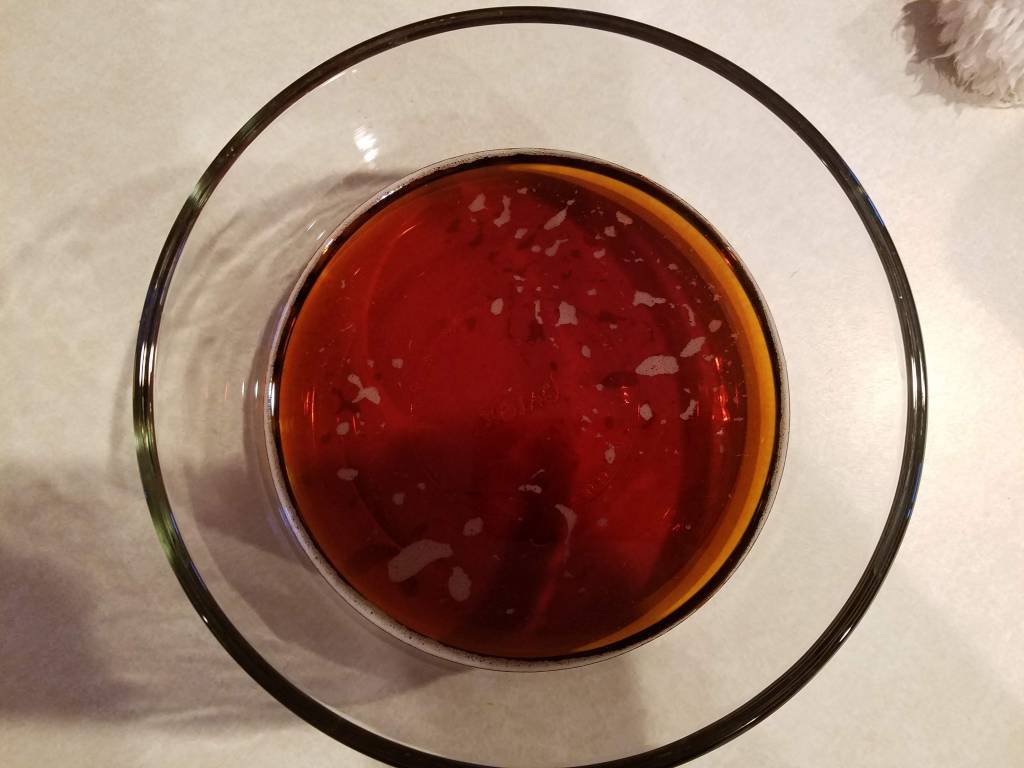
Letting my beer get flat.

I happened to have a bottle of Leinenkiugel’s Toasted Bock (a name I would never remember or be able to spell if I wasn’t holding the bottle in front of my face) left over from when I made Corned Beef. I did pour the beer into a container and let it sit for a couple of hours to flatten in. Apparently when the carbon dioxide in beer mixes with water it makes it hard…and as we all know…hard water makes hair washing…hard. 

There are many different methods for beer rinses online. Some say the rinse should be after shampoo, some call for leaving the beer in the hair, I found another experiment in which beer was the shampoo! With so many methods, I decided that coming up with my own wouldn’t mess too much with any results. I wet my hair with water, soaked my hair (scalp to ends) in beer, waited a couple minutes, rinsed with water, and then shampooed and conditioned as usual. Just as I did with my Winter Skin Saver Bar experiment, I did not use additional product in my hair because I wanted few variables for a clear outcome.

Results of my Beer Hair Rinse

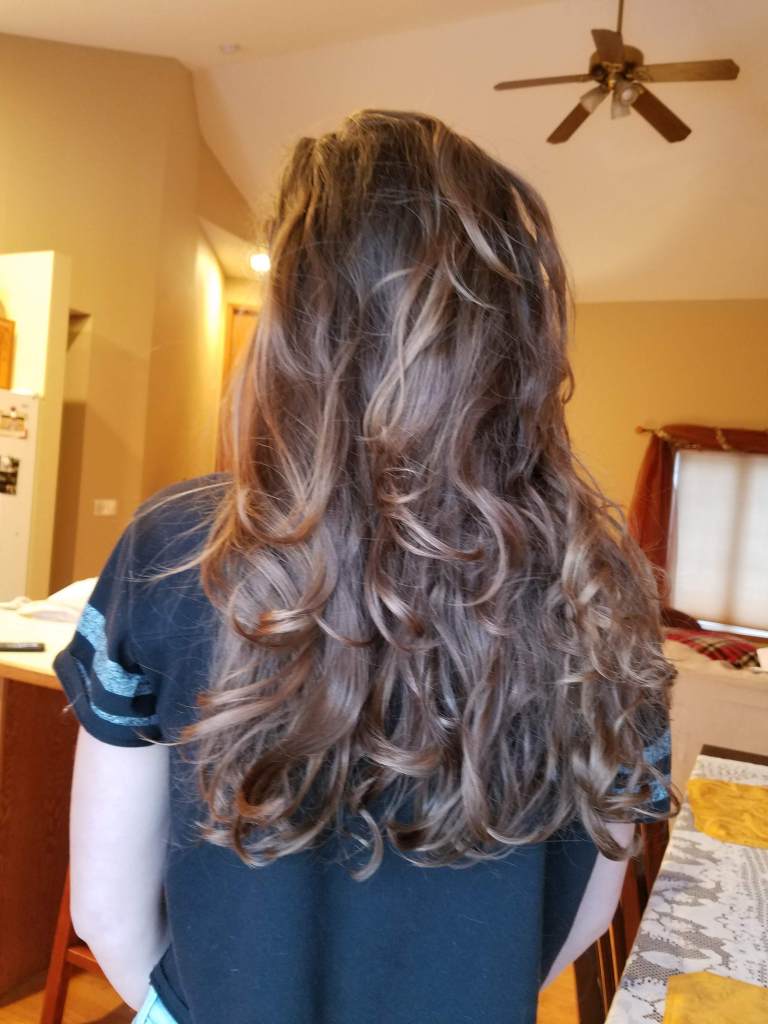
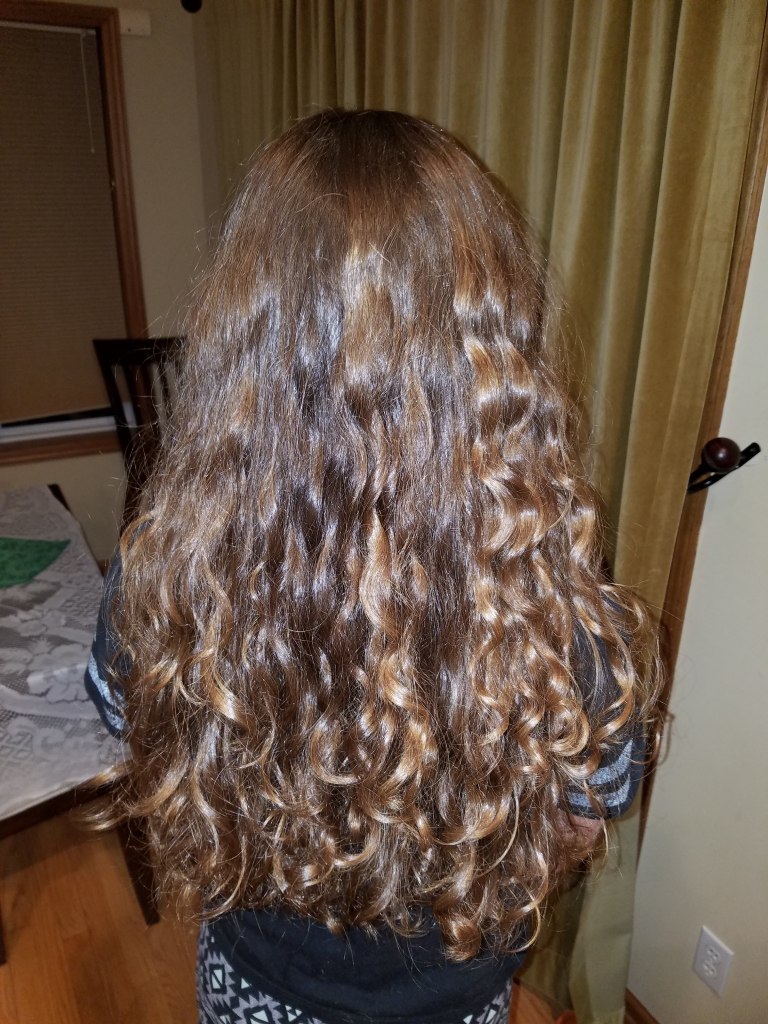
My second day hair before the beer rinse (natural lighting)

I was disappointed. As my hair dried not only was it frizzy, but my curls were limp. Limp, frizzy curls were far from the bouncy, shiny ones I’d been hoping for. On the plus side, there was no lingering smell because I rinsed before I shampooed.

The first photo is my hair before the rinse. My curls don’t hold up past wash day even with a sleep with my hair in a loose bun my curls still get pulled out which is what you can see from this photo.

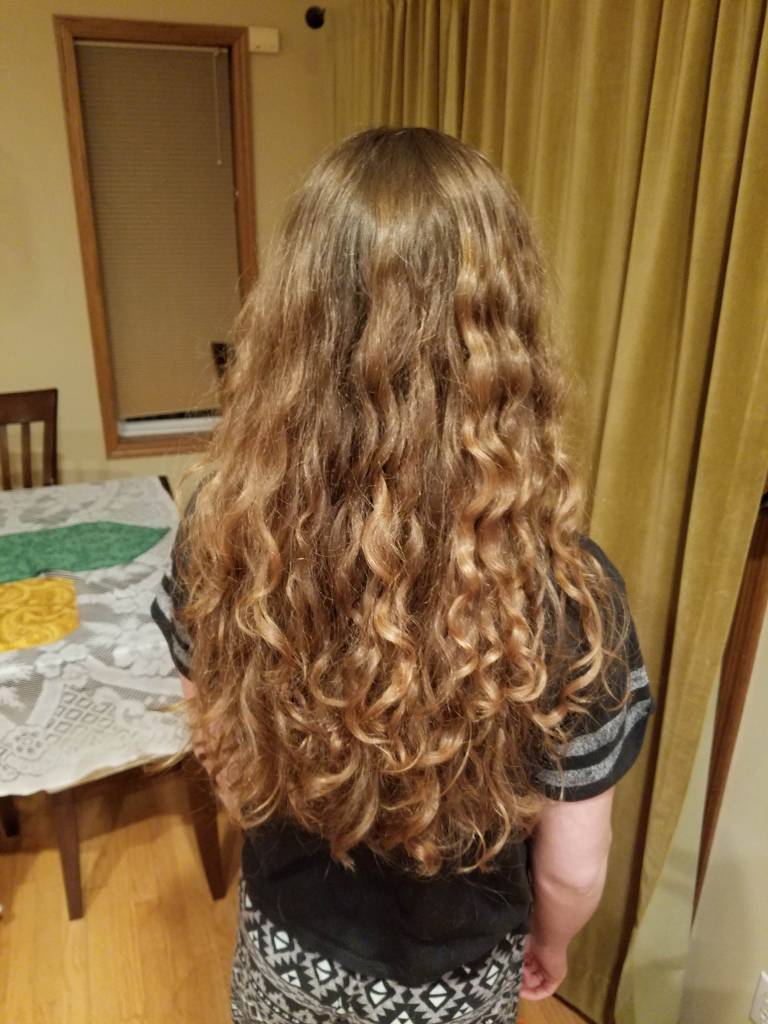
My hair after the beer rinse (artificial lighting)

As you can see, the results of the beer rinse look dramatic compared to my second day hair. It makes it seem as though the beer rinse made my hair go from wavy to curly when in reality this happens every time I wash my hair. What I was really focusing on was the quality of my curls.

If you look at the second picture, you can see how the curls start as waves, you can also see how loose the ends of my hair are. In order to call it a good wash day, I’m looking for more curl at the top and bottom and less “floofy” curls. To see what my hair looks like on a good wash day you can check out my blog on how I discovered my naturally curly hair, or my popular blog on the benefits of natural oils for your hair.

My hair after the beer rinse (used camera flash)

I took one last picture with flash because sometimes indoor lighting makes for grainier photos. Yes, my hair looks shinier, but that is simply because of the lighting. You can still see how loose the curls are.

Would the results have been different if I had used non-alcoholic beer, followed a recipe more closely, or used a styling product? Maybe. One thing’s for sure, a beer rinse will not be replacing my weekly Herbal Hair Rinse.

Much Love,

Nora


3 DIY Tea Bath ideas

Photo by Taryn Elliott on Pexels.com

Look out bubble baths, these three DIY tea bath ideas are looking like huge game changers. Why try a tea bath or tea soak? Because teas have so many amazing topical benefits from detoxifying to skin-softening. I’m bringing you three different tea bath ideas each targeting a certain area of skincare that will prove for a relaxing and effective bath (plus if you get thirsty in the bathtub you’ve got the biggest cup of tea right there…just kidding…ew…

Chamomile Tea Facial With Honey

Chamomile is extremely gentle, making it the perfect tea for sensitive facial skin. Chamomile is known for its anti-inflammatory and soothing properties, making it useful as a natural remedy for acne. Brew a pot of Chamomile Tea and let it steep for 10-15 minutes. Why steep? Steeping allows the hot water to extract not only the flavor, but any nutrients still contained in the plant material. Stir in a tablespoon of raw honey. Why raw? Raw honey contains antibacterial properties which could help fight acne, Manuka honey is highly recommended as a high grade honey and you can read more about its benefits in Marianne’s blog on Glycolic Peels . Honey is also a humectant, meaning it draws in moisture without making your skin oily. We use honey in a few of our soaps for this exact reason! Once your tea is ready, soak a face cloth or small towel in the brew and then let it sit on your face for 5-10 minutes. Rinse with warm water and pat your skin dry. Your skin should feel soft and fresh! Check out this list of best chamomile teas for 2020 by Sleepopolis!

Green Tea Bath with Lavender

Photo by Thought Catalog on Pexels.com

Drinking green tea is known in the health community as a phenomenal health-promoting drink with countless benefits including weight loss, but did you know that a full body soak in a green tea bath is a phenomenal way to deeply rejuvenate your skin? Green tea contains catechins, a powerful antioxidant that promotes beautiful, youthful skin. You can either prepare a strong pot of green tea, or if you like taking shortcuts like me, just toss 5-6 bags of green tea right into a hot bath like one giant cup of tea. You can wait a while and take the tea bags out, or if you’re impatient like me you can just climb on in and steep with the bags (for a list of the best green tea brands check out this list by Delish) ! There are so many topical benefits when it comes to green tea including its performance as a natural anti-aging remedy to helping with skin conditions such as acne and rosacea. For more information on the topical benefits of green tea check out this extensive Healthline article that provided me with the info mentioned above! Adding a couple drops of Lavender essential oil will give this bath a relaxing aroma; earthy and herbal. As you detoxify, don’t forget to keep a cold glass of water next to you so you can stay hydrated! Why is this important? As your body sweats out waste and toxins you are helping it by replenishing it with a pure substance. To read more about the importance of drinking water check out this blog!

Black Tea Foot Soak with Epsom Salts

Photo by Burst on Pexels.com

Black Tea has many of the same benefits as green tea, including its ability to improve skin conditions (including those caused by bacteria). For a foot bath you’ll need a container that fits both feet (or at least one). Make sure you have enough water to cover those footsies and then turn that water into tea! Add about a cup of Epsom salts and let it dissolve into the water. You can soak your feet as long as you want to. This is the perfect soak for feet that have been on the move all day long and are sore, this soak is also great for stinky feet that need a little cleanse because Epsom salts are also antibacterial and anti-fungal

Any of these tea soaks can be full body baths if you want them to be, or, if you want the tea experience but not the hassle you can try our Green Tea and Nettles Bar or Masala Chai Shampoo Bar. Both are rich in scent and amazing ingredients for your skin/hair!

What’s your favorite kind of tea?

Much Love,

Nora


5 DIY Ways to Relax During the Holiday Season

Feeling Stressed this Year?

Photo by Ketut Subiyanto on Pexels.com

Spending quality time with family, honoring important historical and religious events, participating in the season of giving, and eating delicious food are all reasons to look forward to the holidays in November and December. Unfortunately, the holiday season(s) is also a sad and stressful time for many. It’s easy to get caught up in the holiday hustle and bustle, so this week I’m reminding you to take a step back when you feel overwhelmed: when the turkey isn’t done in time, when you remember those who are no longer with you, when your kids decide they’d rather kick and scream than participate in the annual family Christmas photo, and all those little stressors that build-up over time and make you want to lock yourself in the closet with all the Christmas presents that still need to be wrapped…

Take a step back? When there’s so much to be done? Easier said than done, right? I totally understand. Which is why I’ve got 5 simple, natural relaxation ideas for you to pick from or, golly, why not try them all? Seriously. Aunt Ruth and Uncle Phil are arriving in two days and the guest-room is still a mess from being turned into a work-from-home office, not to mention the bake sale coming up…whoa, deep breath. You’ve got this.

1) Breathe

Photo by Karolina Grabowska on Pexels.com

(Like I just said, right?) It seems too simple to be so effective, but focused breathing is actually the first technique listed in an article published in Harvard Health Publishing on relaxation techniques. Deep, even breaths will help calm and regulate your body and mind. You want to take deep breaths that draw all the way into your stomach. If you place one hand on your chest and one on your stomach as you breathe you can feel where the breath is engaging. Movement should be in your stomach and not in your chest in order to provide the benefits breathing offers. To stay focused, you can use a visual to time your breath like this Youtube Video.

2) Exercise

Photo by Andrea Piacquadio on Pexels.com

Exercise is awesome. Why? According to Mayo Clinic, “Physical activity may help bump up the production of your brain’s feel-good neurotransmitters, called endorphins.” Aerobic exercise such as biking, running, or continuous dancing is designed to increase your blood oxygen levels. When the amount of oxygen in your blood increases it makes you feel more alert and less groggy. Not super confident about your exercising skills? Don’t worry, a simple kitchen dance party is something the whole family can participate in and all you need to do is move your body around! *If you have a history of health concerns, exercise caution when exercising and know your limits.

3) Take a Warm Bath

Not only does a hot bath help loosen tight muscles, it also gets you some much needed alone time. We know how much a bathing experience can improve your quality of life, which is why Marianne builds AVNS around this concept each and every day.

“For me, Apple Valley Natural Soap is more than a business. It’s a mission. My goal is to glorify God through this business and help you find the joys of rejuvenating and nourishing your body naturally from head to toe. Through your sense of sight, touch and smell, hopefully you’ll be reminded that it’s the simple pleasures of life that make that life memorable.”

-Marianne

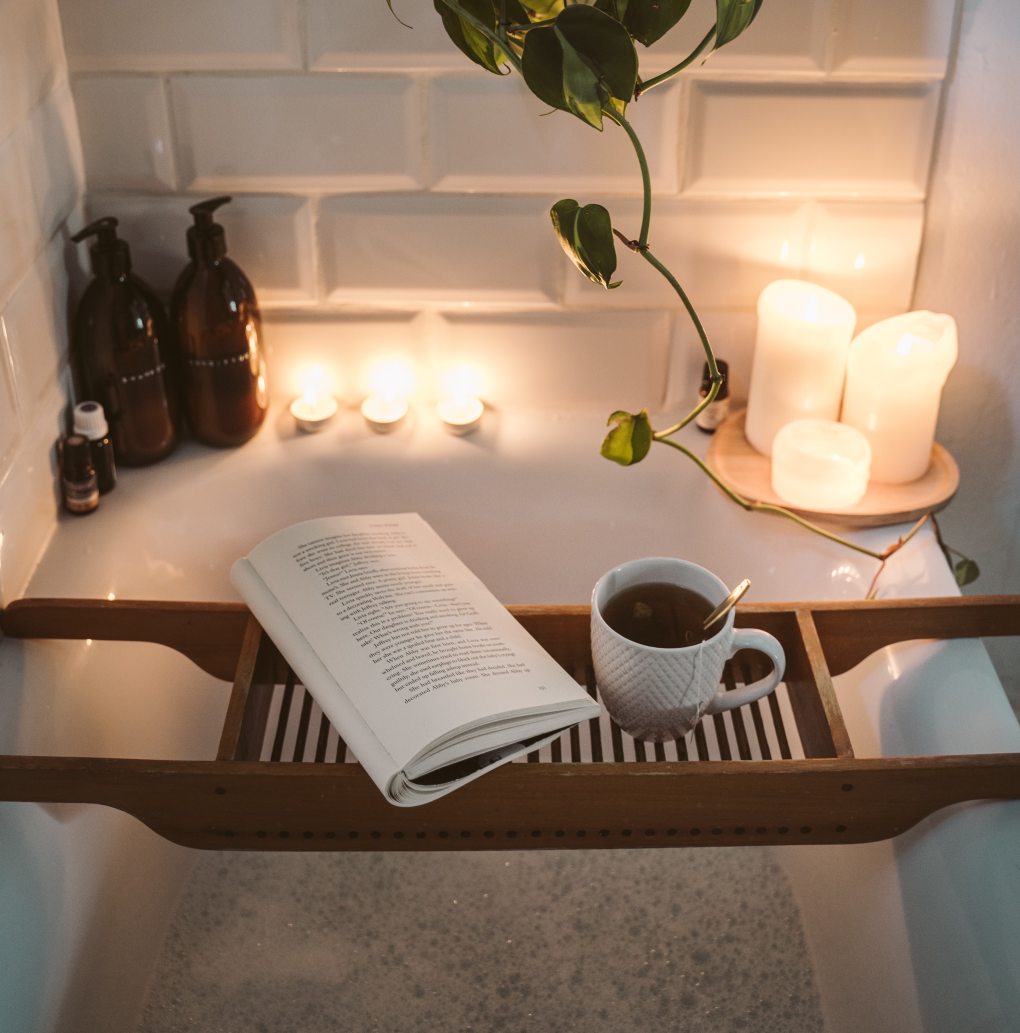
So get some amazingly festive-smelling candles, a good book or your favorite playlist, some Sweet Rosehips Body Polish, A bar of your favorite Christmas Soap (COMING SOON!) a few drops of your favorite essential oil, and reemerge from your steamy oasis feeling like the natural, relaxed beauty you are.

4) Repetitive Prayer or Journaling

Photo by Bich Tran on Pexels.com

Sometimes the people in your life may not get it, but your God does. A quiet place and some time with God may be just what you need. Repeating a prayer or even a bible verse over and over again may be a comfort. If your head feels too full, you can also try journaling. Letting all your thoughts, worries and questions out can be extremely therapeutic and a helpful way to navigate confusing or emotional situations. You can write to God, or a loved one, or even your future self. Whatever puts you at ease.

5) Connection through Creating

Photo by Lina Kivaka on Pexels.com

Aka…is anyone else a stress baker? The title of this technique is a bit vague, but that’s because everyone is unique! There is nothing more relaxing to me than whipping out that sack of flour in the dead of night and quietly measuring the correct amount of sugar as I frantically try to make as many chocolate chip cookies as I can before someone comes out and asks me what I’m doing or even worse…offers to help. If Batman works alone, I bake alone. I love the preciseness and repetition baking requires. I love the sensory progress of baking and the delicious outcome. Getting your hands dirty and immersing yourself in a project can be wildly satisfying. Whether you enjoy painting, carving, or coloring, let your creativeness flow and feel the stress flow out of your body too…scone anyone?

Keep An Eye Out For Amazing Deals

I hope one or all of these techniques are helpful to you as you try to navigate this holiday season. I can’t wait to take a nice long bubble bath after finishing this blog! Speaking of bubbles, AVNS has some awesome things in store for you this holiday season. Marianne has been hard at work prepping Black Friday and Cyber Monday Sales, as well as a fantastic Thanksgiving give-away…not to mention the fact that our Christmas Soap release is RIGHT around the corner! During the next couple weeks you’ll want to stay updated through our blog, newsletter, and social media for amazing deals that will basically ensure that all your Christmas-gift shopping is a breeze.

Much Love,

Nora


What is Hair porosity and why does it matter?

Hair Porosity

Photo by Rony Stephen Chowdhury on Pexels.com

Porosity refers to your hair’s ability to soak up and retain moisture (imagine trying to soak up a puddle of water with a sponge versus a sheet of plastic). Your hair’s porosity is determined by genetics, but can also be affected by external factors such as heat processing and chemical treatments. Knowing your hair’s porosity will help you choose the right products for your hair to keep it healthy, strong, and radiant. Today we’ll talk about the different types of hair porosity, how to determine your hair’s porosity, and what kind of ingredients and products work best for different hair porosities.

Why Porosity Matters

Each strand of hair on your head has an outer layer called a cuticle. Cuticles are made up of overlapping dead cells that form a protective barrier around the strand’s cortex (the inner core of your hair strand that determines your hair’s color). The cuticle’s composition is like the scales on a fish or the bark on a coniferous tree. Porosity refers to how flat and tight those scales are. 

Low Porosity Hair

Photo by Pixabay on Pexels.com

Low porosity hair is made up of strands on which the cuticles are composed of tightly bound, flat-laying scales. Low porosity hair is often shiny and repels the penetration of chemicals and moisture. 

Medium Porosity Hair

Medium porosity hair has a slightly looser cuticle than low porosity hair, allowing the perfect amount of moisture into the hair strand. Medium hair is easily manageable and holds up to heat and color manipulation. However, overuse of color, heat, and chemical treatments can disrupt and damage the cuticles, which ups the porosity.

High Porosity Hair

Photo by Todd Trapani on Pexels.com

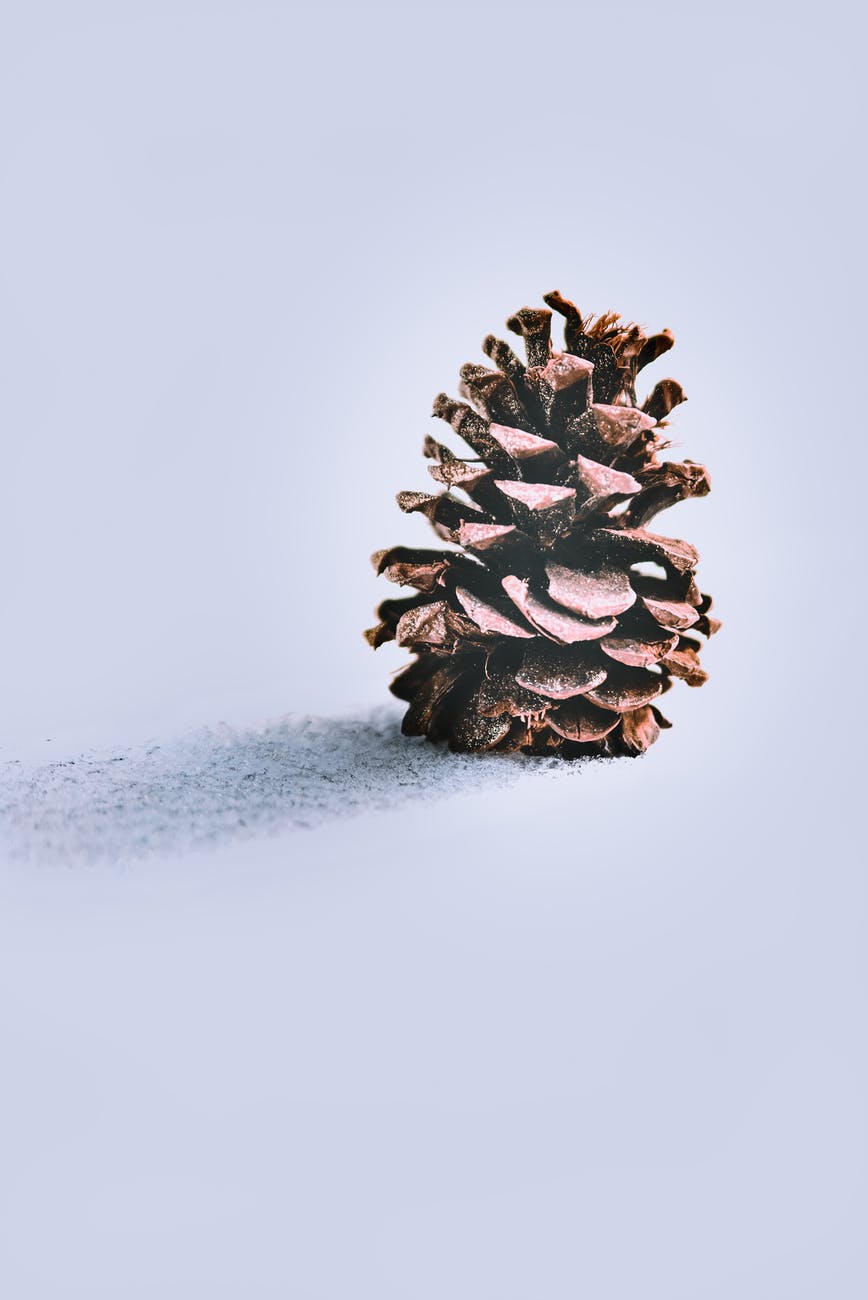
High porosity hair has the loosest cuticle formation, leaving it vulnerable to too much moisture which can lead to breakage and frizz. I imagine the structure of porous strands of hair as fully matured pinecones. The scales of a baby pinecone are pressed flat but fan out as the pinecone matures. Once the scales are splayed, they are prone to catching and tearing. If it rains, the water collects inside of the pinecone instead of running off the outside and overtime the standing water will rot the pinecone’s core. Similarly, high porosity hair retains a higher water percentage than low porosity hair and too much water can cause weakening and elongation of your strands.

How to Test Your Hair’s Porosity

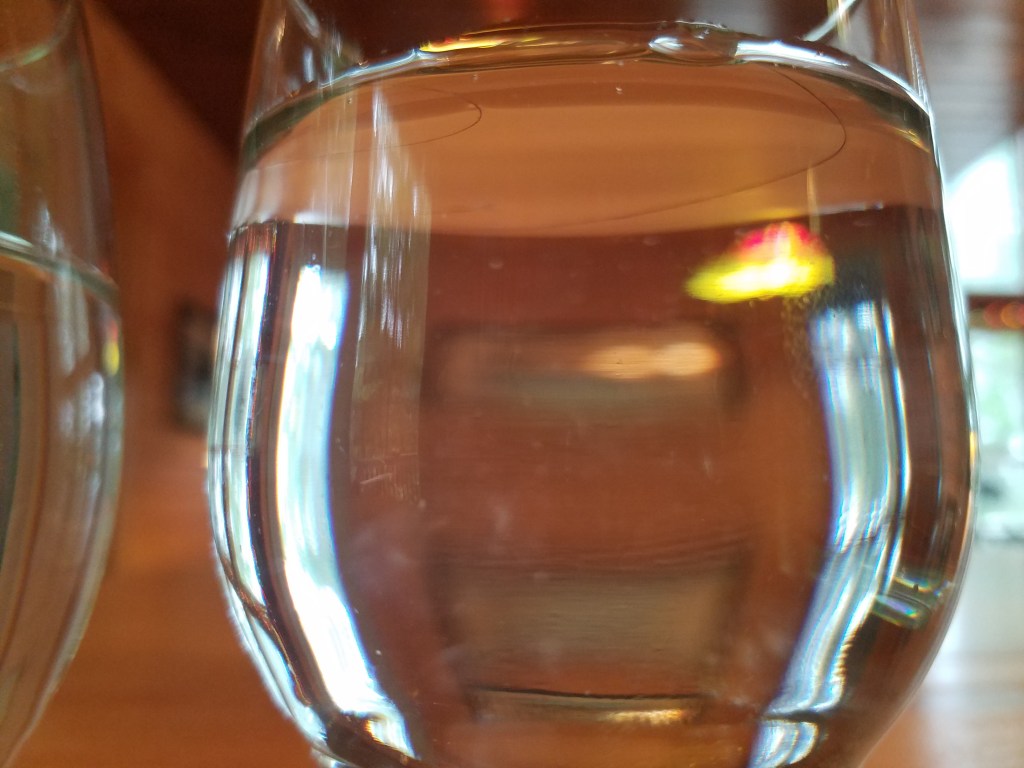
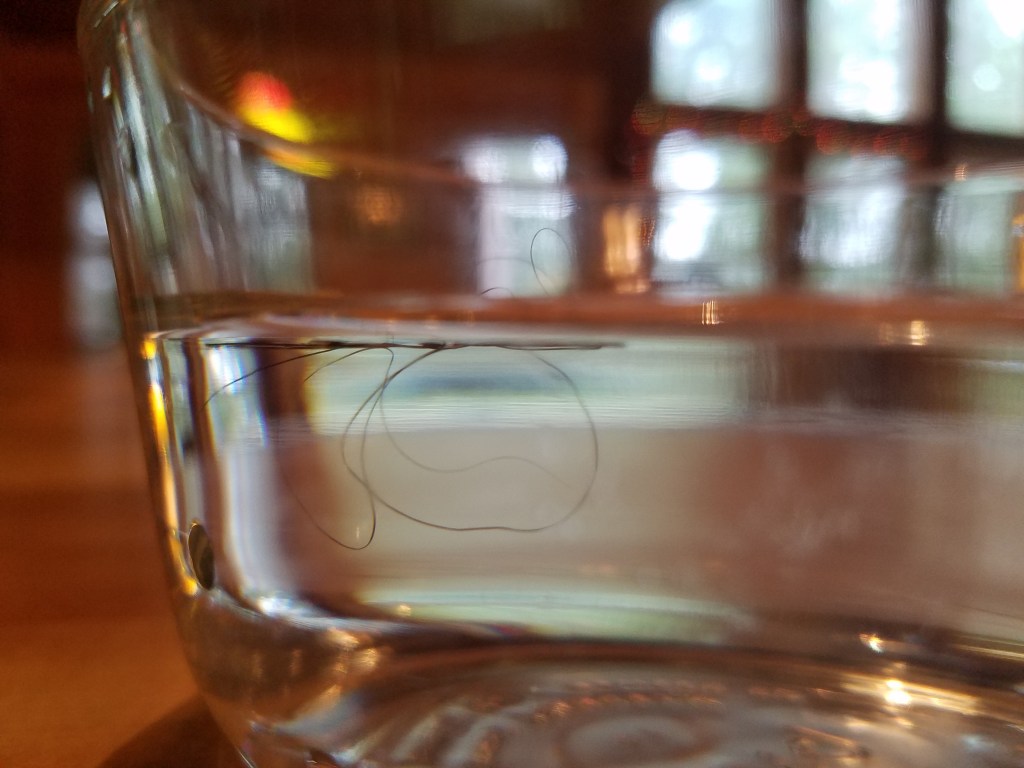
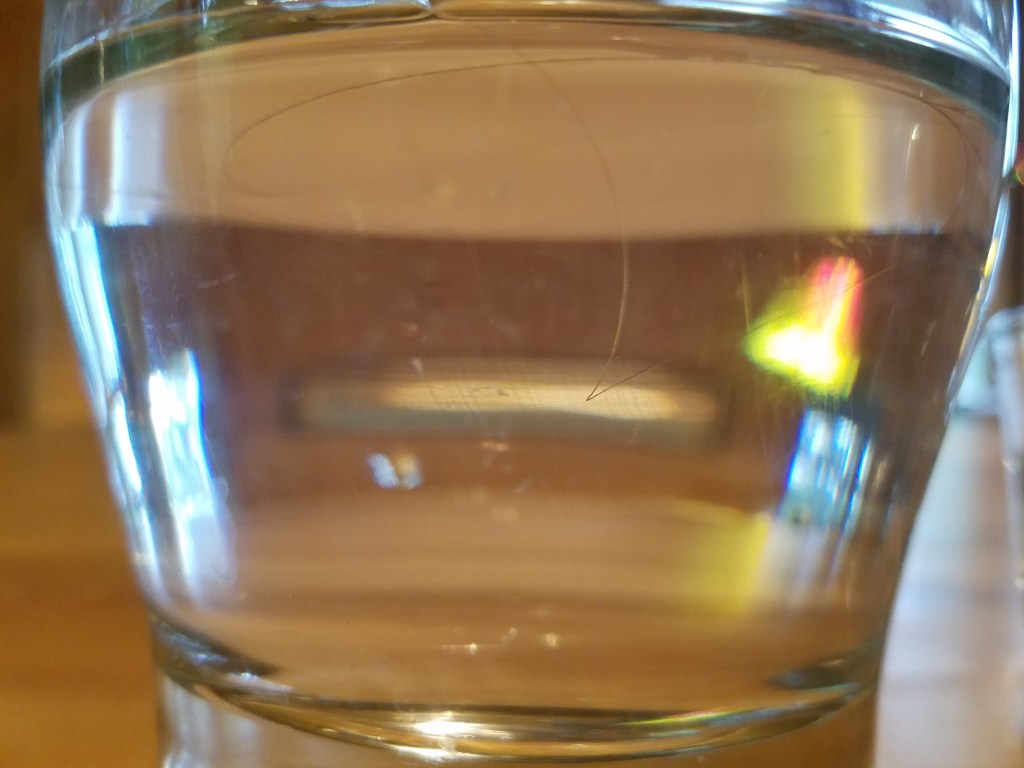
The most popular method of testing your hair’s porosity is by observing how a strand of hair interacts with water (often known as: the float test). To prep for this test, shampoo your hair and let it air-dry. Once your hair is clean and dry take a couple strands and drop them into a cup of water. Watch them for the next 15 minutes. If they float, your hair has a low porosity. If they quickly sink to the bottom your hair has high porosity. If they sink a bit and then hover in the middle your hair has medium porosity. You can always run this test with a few friends to have other hair to compare yours to. Depending on your determined porosity, you can adjust your hair routine to benefit your hair’s health. 

Both of these hairs are from my head! The curlier, coarser strand is from the back and the looser, thinner strand is from the front!

My Results From the Float Test

I was curious as the whether this test really works (you know I love DIYs), so of course I had to try it out. I selected two different strands of my hair from my head because as you’ll see from the photos I took: I have a diverse head of hair. I also used a strand of my mother’s hair because why not? According to the results, my hair is low to medium porosity and my mother’s hair is low porosity. If you’re going to run this test I suggest using a bowl with a wide opening because the hair strands kept clinging to the edge of the glasses with narrow openings.

If You Have Low Porosity Hair

Rhassoul and Avocado Shampoo Bar

Product will tend to sit on your hair instead of being absorbed. You’ll need to clarify frequently to control build up. Clay is a great way to do this. Our Rhassoul and Avocado Shampoo Bar and White China Silk Shampoo Bar are both made with clay: an excellent natural clarifier. Acidic hair rinses are also extremely helpful for getting rid of build up.

If You have Medium Porosity Hair

You’re really going to want to balance moisture and protein in your hair care routine. Hemp seed oil is perfect because it is an oil that will lock in moisture while also providing protein. I love the Hemp and Honey 2.0 Shampoo Bar for my curly hair.

If You Have High Porosity Hair

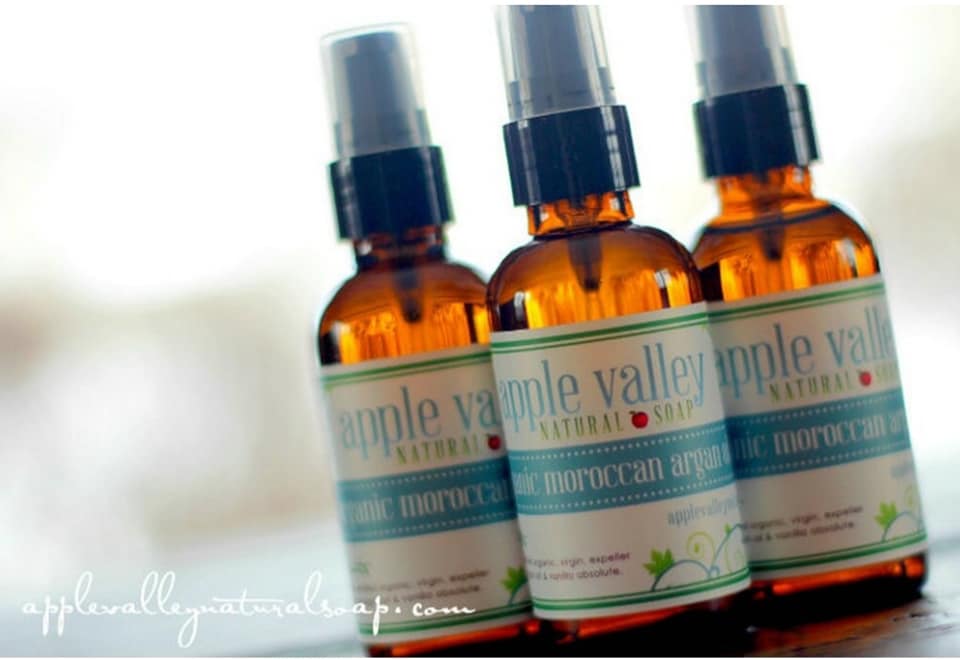
Organic Argan Oil

Trap in that moisture with oils. Coconut oil is great for locking in moisture and is a key ingredient in many of our shampoo bars. The Coconut Milk and Citrus Shampoo Bar and Key Lime Shampoo Bar are made with coconut milk, a natural beauty treatment used in many hair and skin products to hydrate and repair skin cells as well as to add shine, silkiness, and softness to hair and skin. Using oils when you style is also essential. Argan oil will lock in additional moisture and promote shine!

What’s you hair’s porosity?

Much Love,

Nora


How to Achieve the Perfect DIY Spa Day

In my opinion, there is nothing better than the perfect spa session. 

Correction.

There is nothing better than the perfect DIY spa session. In fact, I’ve perfected the art of the DIY spa so, well, perfectly…that I’ve never felt the need to go to a professional spa.

I love a DIY spa day because you get to pick:

Photo by cottonbro on Pexels.com
Who’s Invited

You can make it a fun project for the kids, a surprise gift for a friend or family member, or a romantic occasion with your significant other. 

What’s on the Spa Menu

You get to pick your spa treatments (hot wax treatment…but skip the intense leg massage? You got it!) 

The Products

And you get to use products you already know and love. Annnnnnnnd when you love Apple Valley Natural Soap you also know every ingredient that goes into your favorite soaps, lotions and scrubs.

Okay. So now that I’ve convinced you that a DIY spa day is the way to go, I’m sure you’re wondering where to start.

Don’t worry, we might be about to go all-natural with our products, but I’ve got you covered.

The Importance of Self-Care

Before we get lost in the excitement of sugary body scrubs and scrumptious body butters I want to say this: behind every amazing spa day is a source of meaningful motivation. Planning a spa day is a fantastic way to be intentional about self-care.

What is self-care?

Photo by Tirachard Kumtanom on Pexels.com

This quote on Active Minds, the nation’s top non-profit for support and education on mental health, beautifully sums up what self-care is and why it matters, “Self-care is important to maintaining a healthy relationship with yourself. It means doing things to take care of our minds, bodies, and souls by engaging in activities that promote well-being and reduce stress. Doing so enhances our ability to live fully, vibrantly, and effectively. The practice of self-care also reminds both you and others that your needs are valid and a priority.”

If this year has thrown some unexpected challenges your way, raise your hands (mine are already up).

If you raised your hand you are a top candidate for self-care, and if you didn’t raise your hand you are too.

Self-Care Spa Day

The number one reason why I love a DIY spa day is because it allows me to transform my daily maintenance tasks from obligations to occasions. If I’m going to clean my body I might as well do it in style and comfort.

Exfoliate with Salt Bars or Body Polish

I love the way my skin feels after I exfoliate. Both salt and sugar make great natural exfoliants and the essential oils added to our salt bars and sugar scrubs are known for their additional health and beauty benefits. 

Salt Bars

A salt bar is a fantastic way to exfoliate and clean at the same time, so it is a great option for DIY pedicures (just scrub, pat dry, and follow with a little argan oil). The Lavender Rosemary Salt Bar is on my top ten AVNS list because it smells amazing, feels amazing, and also works as an amazing shampoo.

Sugar Scrubs

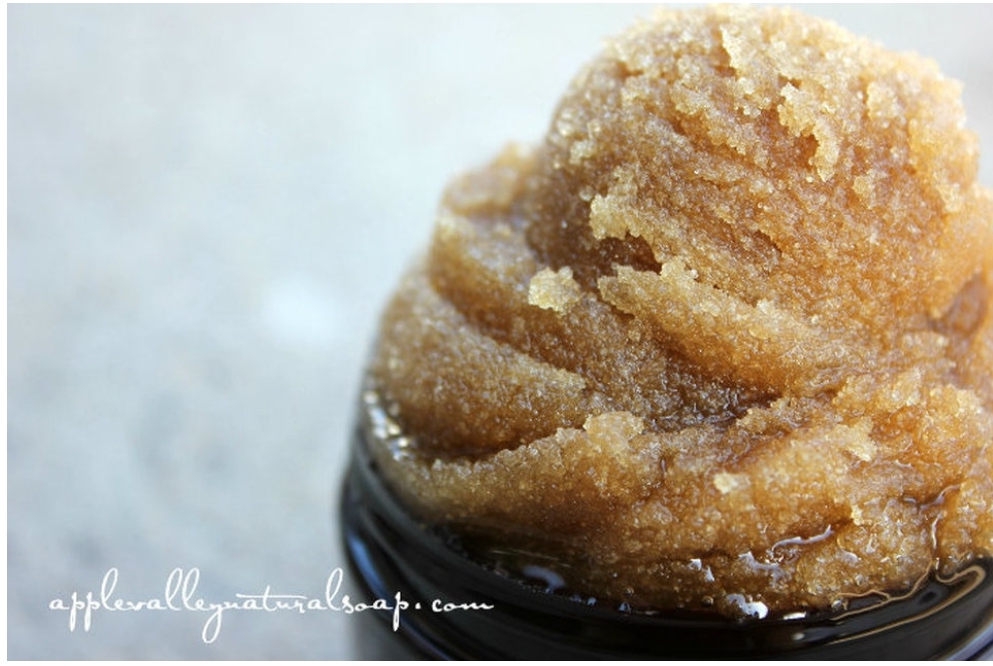
A sugar scrub is my go to for a perfect pre-shave exfoliation because sugar is a natural, gentle exfoliant and the moisturizing oils add an extra layer of protection for my skin when I shave. Our Body Polish is so moisturizing that after using it you may find you don’t even need to apply lotion! It comes in four delicious scents: Citrus Sugar, Matcha Mint, Sweet Vanilla, and Sweet Rosehips (my personal recommendation).

Shave with Coconut Bars

Shaving gets tedious, but with a Virgin Pina Colada nearby it can be wayyyy more enjoyable!

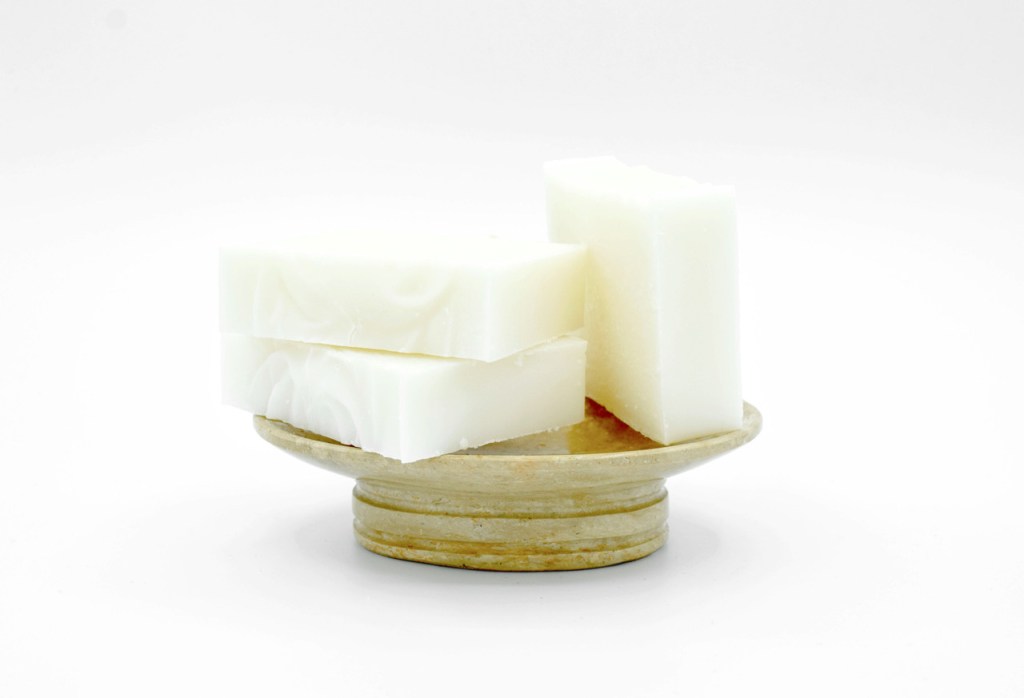
After exfoliating you’ll need to lather up and I’m going to promise you something. Using one of our coconut soap bars as shaving soap will change your life. I had been using shaving cream since I first started shaving and I was super skeptical about using bar soap, but after that first lather…whoa. Coconut Bars lather up so luxuriously, you’ll feel like the King or Queen of shaving.

Massage

While I wish a massage was part of my daily routine, it’s definitely a great way to ease the pain of sore, stiff muscles after a long day of work or play. Our Organic Virgin Jojoba Oil is the perfect massage oil and you can get it CUSTOM MADE with any of our soap scents. If you’re curious about what jojoba oil is you can read more about it here.

DIY Self-Care Massage (feet)

Photo by Breakingpic on Pexels.com

As a dancer I spent a lot of my time walking around with sore feet. I wish I had this Youtube tutorial by PsycheTruth on how to give myself a foot-massage back then, but oh well.

DIY Couples Massage

It’s important to make sure you are in a good place before you start lifting those around you and a DIY couples massage may be the perfect way to lift as you rise! Check out Cleverly’s short, simple instructional video for an upper back massage!

Remember to Relax!

You’ve earned the right to relax this year, and we hope our products will help you achieve the pampering you deserve. For more DIYs, follow our blog. I’d love to know how you use our products to unwind after a busy day, so always feel free to comment below!

Much Love,

Nora