You Can Benefit From Vegan Natural Soap (Even if You Aren’t a Vegan)

Veganism. What is it?

Photo of vegetables by Lisa Fotios on Pexels.com

A vegan’s lifestyle centers around the refusal to use animal products. 

Vegan vs Vegetarian

Veganism differs from vegetarianism in that a vegan avoids all animal-sourced products including, but not limited to meat. From vegan soup to vegan soap this means vegan diets, vegan clothes, and even vegan cosmetics must be void of all animal products. 

Why Go Vegan?

Photo Vegan by Daria Shevtsova on Pexels.com

The benefits of a vegan lifestyle extend past simply contributing to the increased quality of animal life. According to an article in Medical News Today, Health benefits of a vegan diet include better heart health, lower cancer risk, and weight loss. Planning a vegan diet also enforces the practice of being conscious about what you put into your body…but what about what you put on your body?

The Benefits of Vegan Natural Soap

All Apple Valley Natural Soaps are cruelty-free certified, this means that none of our ingredients or products have been tested on animals (unless hand-crafted for animals). Just because a product is cruelty-free does not mean it does not contain animal products. While some of our soaps do contain ethically sourced animal products such as silk and honey (read more about how we obtain these ingredients here), we also offer a variety of vegan options. Vegan natural soaps are gentle, nourishing alternatives to vegan soaps that still use harsh chemicals. 

5 Vegan Natural Soaps You Have to Try

Photo by freestocks.org on Pexels.com

Go Green By Going Orange!

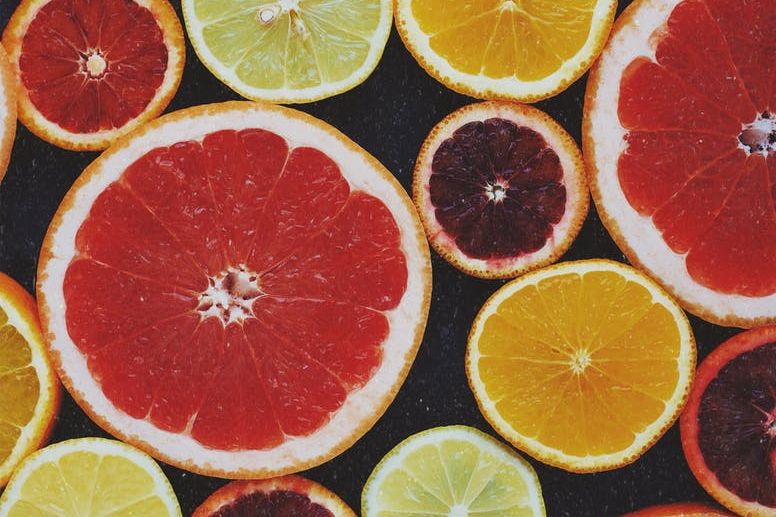
Not only are these five soaps vegan, they also all contain orange essential oils! It’s these hot summer days that have me dreaming about a cup of zesty orange sherbert (vegan recipe PLEASE!!!) and after trying them, I think you’ll agree that these soaps smell just as delicious.

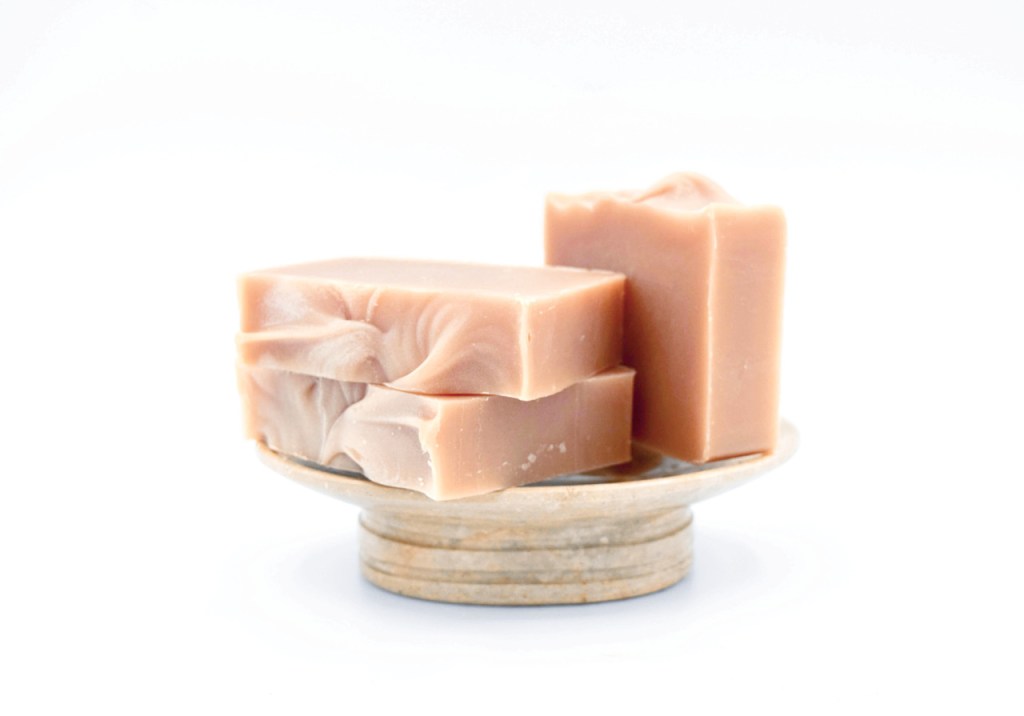
1) Rosemary Orange Shampoo Bar

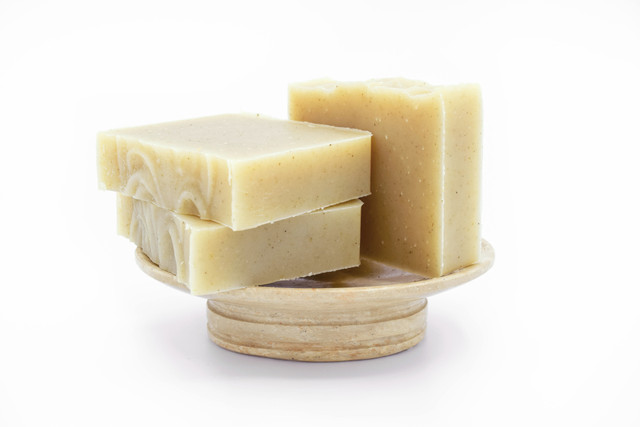
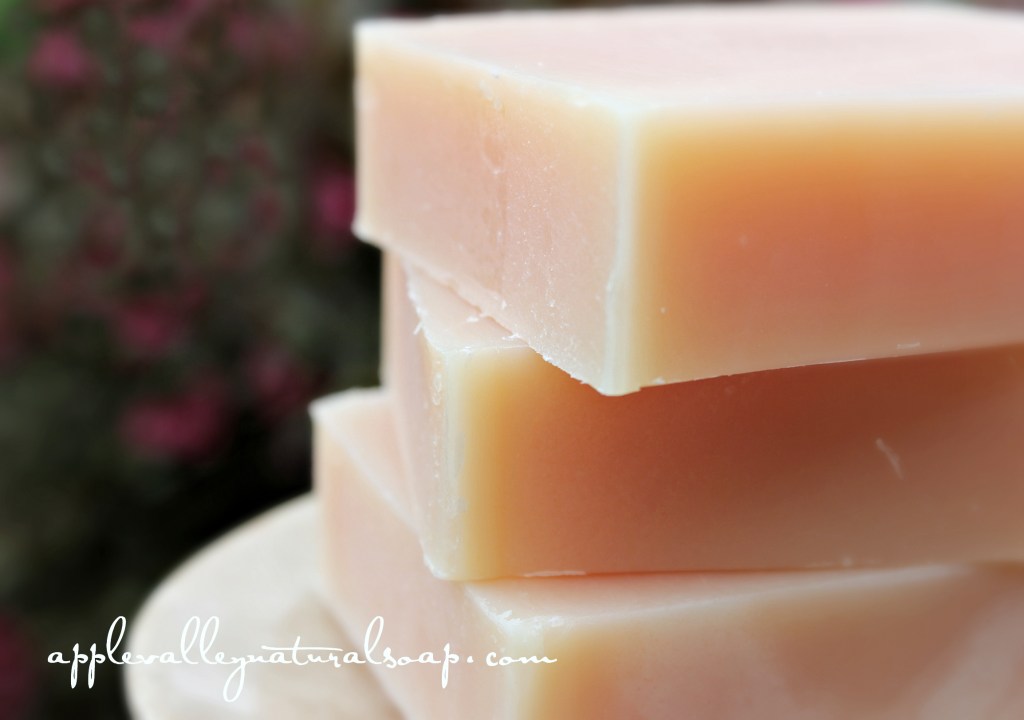
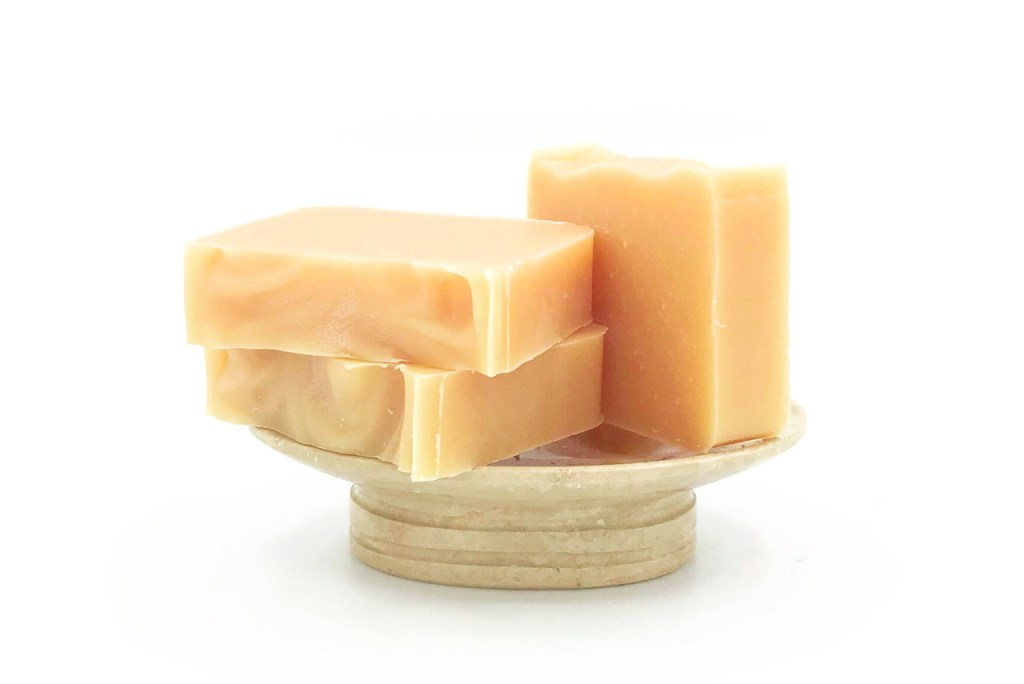
Rosemary Orange Vegan

This is such a sweet, pretty thing. The vegan orange illite clay is peachy pink and has tons of fantastic benefits. Mango butter softens, conditions, and adds antioxidant properties, and the essential oil blend of rosemary and orange is absolutely incredible. It makes you woozy in love. (You think I’m exaggerating? Try one and find out for yourself!)

“This shampoo bar is awesome! I love how it lathers up so nicely and cleans my oily hair so well. I had gone no poo using baking soda for shampoo, but would occasionally use a natural shampoo as well. This bar fits my needs of being natural and keeping away all the nasty chemicals found in regular shampoo. I can still go 2 days without washing my hair just like when using the baking soda. I’m hooked on Apple Valley’s shampoo bars!!”

– Customer Review

2) Orange Anise Salt Bar

Orange Anise Vegan

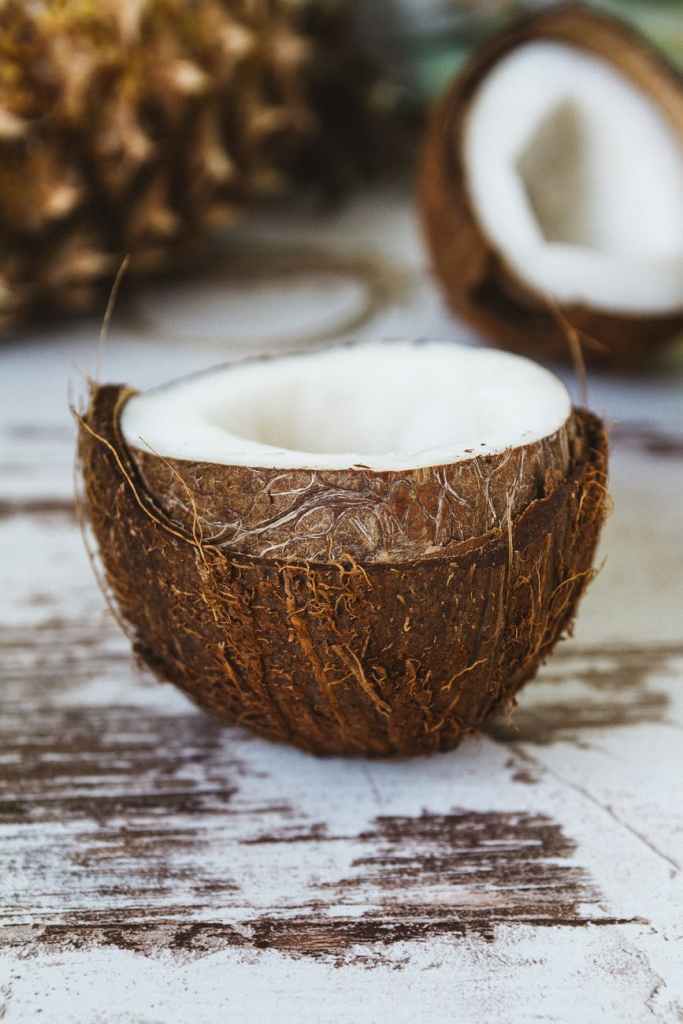
This striking and modern looking vegan salt bar is made with an artisanal blend of european spa salt (you can read all about our skin-nourishing salt here). Activated charcoal made from coconut shells provides a deep clean. The scent is an utterly addicting blend of spicy anise and sweet orange. You’ll be looking for excuses to wash your hands.

“We’re huge fans of the salt bars, but the orange anise bar is my current favorite. It’s amazing on my face, too.”

-Customer Review

3) Lavender Orange Castile Bar

Lavender Orange Vegan

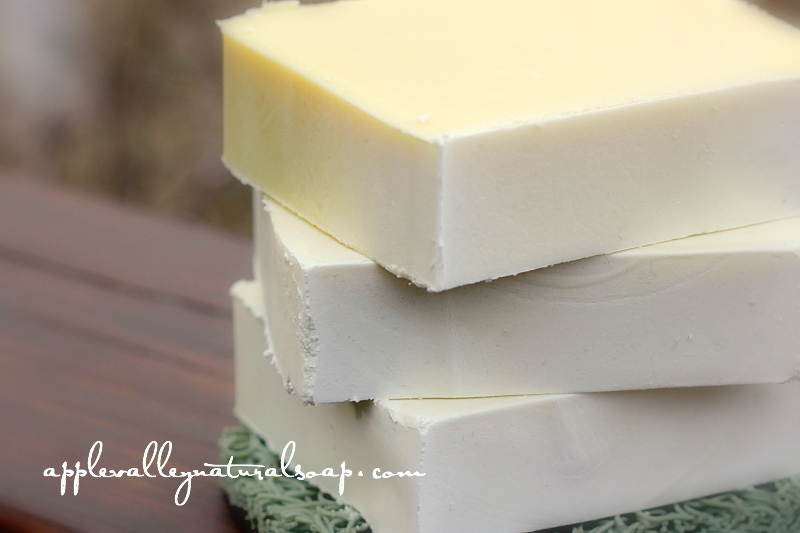
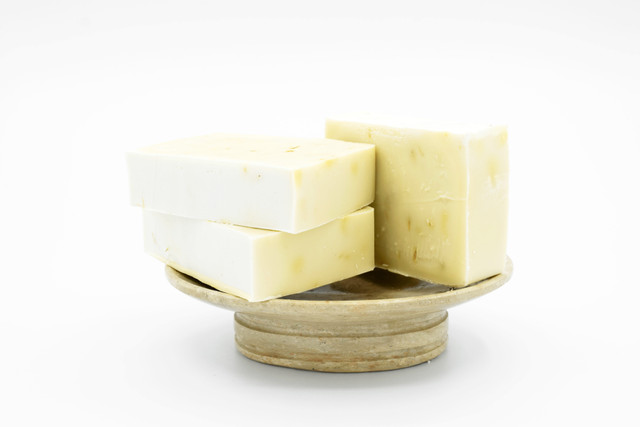
Smooth, relaxing, dreamy. A 100% organic olive oil soap, a true Castile, beautifully scented with lavender and sweet orange essential oils.

A true Castile soap is the most gentle and mild of soaps, safe even for babies and those with ultra-delicate skin. You will not get a bubbly lather from a Castile bar, but rather a rich, thick, creamy highly emollient lather that is perfect for shaving. Castile soaps made with only olive oil are a gentle and effective option for even the most sensitive of skin and may be a great vegan soap for acne!

“Very sudsy soap…and smooth! Very gentle and right amount of oil to really feel like your covered in silk. I will purchase this again. The smell is just right.”

-Customer Review

4) Chamomile and Orange Blossom Shampoo Bar

Chamomile and Orange Vegan

Fishing for a clean, vegan start to your day? The lure is an organic chamomile and calendula infused oil blend to which we’ve added generous portions of coconut, mango butter and organic jojoba to cleanse, nourish and moisturize your scalp and skin. The scent in this shampoo bar will captivate you.

“This shampoo is absolutely AMAZING! My hair has never felt so nice! It also didn’t cause any breakouts for me, which is amazing since I’m almost allergic to everything on the planet. The scent isn’t overpowering and is so light and airy. I’m definitely going to buy more soon!”

-Customer Review

5) Mango Citrus Shampoo Bar

Mango Citrus Vegan

Soft citrus with a hint of floral, this bar is super rich in Mango Butter! This totally vegan mango butter has high levels of antioxidants, vitamins, saturated and monounsaturated fatty acids which makes it a moisture rich food for skin and hair. It reportedly aids in the slowing of hair loss through the treatment of scalp conditions such as dandruff, eczema, or psoriasis. Mango butter is readily absorbed into skin and hair, supporting cell regeneration of the scalp, which ultimately promotes hair growth as well as helping to strengthen the overall structure. It is also known to help repair split ends and help add volume to hair.

Thinking About Going Vegan?

Whoa, with soaps like those even a hardcore carnivore might be convinced to go vegan (What’s that Mr. T-Rex? You’d like to place an order for all five bars? Sounds good, we’ll be on that as soon as we get the time machine up and running).

I hope you’ve enjoyed reading all about the benefits of vegan natural soap. If you enjoy reading about the benefits of natural ingredients you can follow our blog to receive updates on future posts. Share this post on social media to keep your friends in the natural beauty loop! If there’s a specific ingredient you’d like information on, or just a question in general feel free to comment below and your suggestion could become a future post!

Much Love,

Nora


Can You Get Rid of Sunburn Overnight Naturally? Here’s How I Do It

Photo by Big Bear Vacations on Pexels.com

July is coming in Hot Hot Hot. With the 4th of July right around the corner we want to look and feel our best when we celebrate our country’s independence (and if you don’t live in America you can probably still relate to a quality day of fun in the sun). There’s only one problem with a sunny day…

Sunburn 

Photo by Sarah Schorer on Pexels.com

Sunburned skin is hot, painful, and embarrassing. As someone who loves being outside during the summer I’m always careful to wear sunscreen, but even after applying sunscreen I sometimes still end the day with a painful sunburn. No one wants a painful sunburn. Which is why I developed a method to get rid of sunburn. And fast. Today I’ll be walking you through my post-sunburn process. My sunburned skin healing method isn’t backed by rocket-science, but it works for me and it hopefully works for you too. I’m serious. If I’m ever famous for something it would be this method.

Picture This:

Photo by Jonathan Borba on Pexels.com

It’s the day before the 4th of July. You’ve got the day off and you wake up early for some last minute gardening because it’s your turn to host the 11th annual backyard BBQ. As you bend down to pull your first weeds you remember that you forgot to put on sunscreen. The sun glows gently in a blue, cloudless sky and you think, I’ll be fine. The rest of the day passes in a blur, early neighborhood parades, an afternoon on the lake. You laugh and chat while the sun blazes in the sky and then while it dips softly out of sight. It isn’t until you look in the mirror and feel the heat rising off your shoulders as you’re getting ready for bed. You’ve made a terrible mistake. You are no longer a human being but a painful, human blister. You forgot to wear sunscreen. What will you do now? Especially with your big event only hours away?

The Importance of Hydration for Healthy Skin and Sunburned Skin

Photo by Retha Ferguson on Pexels.com

Regardless of whether sunburn turns you into a temporary lobster *points at self* we all need to protect our skin from the sun’s rays. This method is not an alternative to sunscreen. I repeat. Not an alternative to wearing sunscreen. Wear sunscreen with healthy & safe ingredients. As you’ll see in a moment, a major part of my method involves hydration. Hydration keeps your body stable and regulated. Hydrated skin is healthy skin and when you’re dehydrated your body is at a disadvantage. Read more about the dangers of dehydration here

How to Hydrate Sunburned Skin: My Personal Method

Start Drinking Water

Photo by Arnie Watkins on Pexels.com

As soon as you realize you’ve sizzled in the sun for a little too long start drinking water. You have to stay hydrated inside if you want to stay hydrated on the outside. According to Mayo Clinic, drinking 11-15 cups of water a day has a ton of benefits aside from keeping your skin bright and supple.

Use Your Shower to Lock in Skin’s Moisture

Nothing feels better than a shower at the end of a long, hot day, but sunburn can make showering an unpleasant experience (in my experience). Can anyone else attest to the claim that hot water on sunburned skin BURNS??? It took me years to discover a shower that would lock in the moisture without boiling me alive.

Shower with Warm Water

Start with a temperature that your sunburned skin can handle and then as your skin adjusts you can gradually increase to a warm temperature your unburned skin is comfortable at. 

Natural Soap Keeps Skin Hydrated

One of my greatest obstacles when trying to keep my skin hydrated, especially when sunburned, was using soap that only contributed to dry skin. All those harsh chemicals may have kept me clean in the moment, but they put my skin at risk for future damage. Natural soap gently cleans skin while locking in moisture. For a gentle, skin protecting shower, a Calendula Castile Bar will treat your skin like a baby.

Our Marshmallow And Aloe Shampoo Bar may also do wonders for sunburned skin. Aloe vera contains something called proteolytic enzymes which repairs dead skin cells on the scalp. It’s fabulous for skin because it’s rich in vitamin C, E and beta carotene which nourishes skin and scalp deeply. Also, due to its anti fungal and antiviral properties, it prevents itching and reduces dandruff and flaking, it also has very potent anti-inflammatory properties which help reduce redness and inflammation. If that isn’t enough, it also acts as a great conditioner and leaves your hair all smooth and shiny, plus it promotes hair growth. What more could you want?

Cold Water Rinse on Sunburned Skin

Photo by Ketut Subiyanto on Pexels.com

While there is controversy on whether rinsing with cold water actually makes your hair shinier (potential future blog?) There is no doubt that cold water on sunburned skin feels like instant relief. At the end of my shower I take a brave breath and turn the water to cold. Let the cold water run all over your body until the skin feels cold to the touch and your insides are starting to feel like an icicle. 

Pat Skin Dry with Your Towel

Rubbing yourself dry will only irritate the inflamed skin.

Apply a Quality Lotion

Our Lotion Bars Have been Upgraded to Eco-Friendly Cardboard Containers!

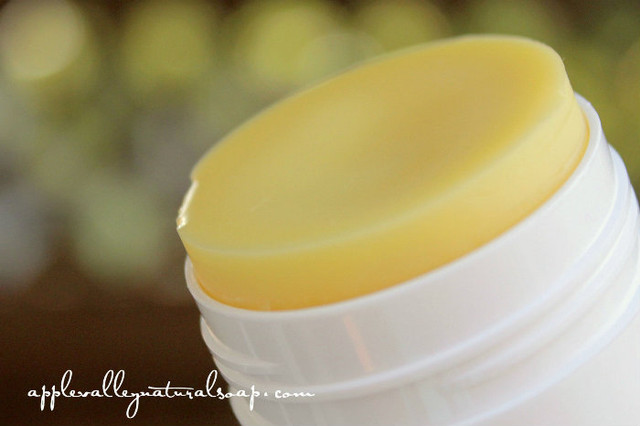
I always apply the thickest lotion on hand. We have some awesome, ultra-hydrating lotion bars that are just perfect for this (in unscented and oooooh my favorite: lavender). If lotion isn’t your thing we make a Organic Herbal Salve (with stellar reviews) which is chock full of soothing, certified organic herbs infused in a base of organic, extra virgin olive oil and unrefined beeswax, this salve is amazingly multi-purpose and economical. Apply it to rashes, bug bites, sun burn, wounds, dry, cracked skin, bruises, diaper rash and more! We also offer an Organic Hemp Seed Oil that you can read about here.

Repeat Every Night or Morning

I hope this works as well for you as it does for me. Comment with your results below if you try it out or share your own personal sunburn banning routine! We love to stay connected with you, so follow us on Instagram and Facebook to stay updated on all the exciting news (Limited Edition Summer Skin Saver Soap will be available mid-July!) including sales and new releases!

Much Love,

Nora


Hard Water Effects on Hair and What You Can Do About it

Hard Water Giving Your Hair a Hard Time?

If your hair seems lackluster you might blame it on your products, but your hair products might not be the problem. If your water supply comes from a hard water source you may be experiencing effects of hard water. In this blog we’ll cover everything you need to know about the harmful effects of hard water on hair. Read to the end to learn about treatments for hard water. Before we get into everything and explain the relationship between hard water and hair we have to look at Dihydrogen Monoxide.

Have You Heard of Dihydrogen Monoxide?

Photo by Chokniti Khongchum on Pexels.com

According to the Dihydrogen Monoxide Research Division, Dihydrogen Monoxide (DHMO) is a colorless and odorless chemical compound, also referred to by some as Dihydrogen Oxide, Hydrogen Hydroxide, Hydronium Hydroxide, or simply Hydric acid.

Dangers of Dihydrogen Monoxide According to DMRD:

Photo by Liam Ortiz on Pexels.com

“Death due to accidental inhalation of DHMO, even in small quantities.”

“Prolonged exposure to solid DHMO causes severe tissue damage.”

“DHMO is a major component of acid rain.”

“Leads to corrosion and oxidation of many metals.”

“Contamination of electrical systems often causes short-circuits.”

The Most Crucial Thing to Know about Dihydrogen Monoxide

It’s also known as water.

Dihydrogen Monoxide is Water?

Photo by Bri Schneiter on Pexels.com

Yes, DHMO is water. The Dihydrogen Monoxide Parody is used as a way to highlight how a lack of scientific literacy and misleading wording can create misplaced fear. My tenth grade chemistry teacher actually made us write a paper on why or why not we should ban DHMO and then used it as a prank to teach us that not everything you read online is trustworthy (and made all of us feel super silly. Thanks, Mr. Shipway.)

While anyone would argue that the pros of water outweigh the cons, there is some truth to the idea that water isn’t always beneficial…in fact, hard water can wreak havoc on your hair. 

Today we’re going to talk about hard water vs soft water, how you determine your water’s hardness, the effects of hard water on your hair, and how you can protect your hair from hard water. 

So, without further ado…Mr. Shipway, this one’s for you.

What is Hard Water?

According to USGS, Hard water is water with a high content of dissolved minerals, specifically calcium and magnesium. 

What is Soft Water?

Soft water is treated water with a low concentration of dissolved minerals and as APEC water explains, the only ion in soft water is sodium.

How Hard is My Water?

Photo by Anna Shvets on Pexels.com

Water hardness is measured on a scale and is dependent on where you live and where you get your water from.

An easy way to determine if you have hard water is to pay attention to whether your skin or glassware maintains a film/residue after using your water. If your hands still feel slimy like you’ve been playing pattycake with a fish…or your glasses have white traces then you may have harder water. 

Like I said, water hardness depends on where your water comes from and where you live.

If you live in a city that gets its water supply from a river, then you will likely have soft water. If you live in a city (or rural area) that gets its water from wells, then you will likely have hard water.

According to Premier Water Technologies, where I live, the water hardness is 22-24 gpg (grains per gallon). That’s about five times harder than the average. 

Trust me, I don’t need a bunch of fancy research to confirm this fact because I wash my hair with it all the time.

The Effects of Hard Water on Your Hair

Photo by Pixabay on Pexels.com

All of the extra minerals in hard water interact with the hair shaft, rubbing up against them in such a way that causes the hair scales to stand up instead of laying smoothly. This puts hair strands at risk for being more vulnerable to breakage, but also leaves them exposed to soap residue. 

While we want the nutrients in soap to penetrate our hair, we also want to be able to rinse out the excess. When the hair shaft is rough, soap gets stuck in the cracks, leaving a residue that leaves hair dull and weighed down. 

As you can imagine, our super moisturizing shampoo bars do not like hard water.

Solutions for Washing Your Hair with Hard Water

Photo by Pixabay on Pexels.com

If you’re bummed because it seems like your hard water situation may prevent you from using Apple Valley Natural Soap Shampoo Bars, you might be in luck. We have some hard water solutions that will allow you to keep sudsing away with our shampoo bars.

  1. Filtered Shower-head
    • A filtered shower-head will filter out chemicals and leave you with softer water. A previous customer had great success with a Culligan Filtered Showerhead. Although Marianne has soft water and has never had the need for a filtered shower-head, she’s heard positive reviews from people who use an Aquasauna filter as well.
  2. Baking Soda
    • Another possible solution which some customers have had success with both at home when hard water is present, and when traveling, is with baking soda. Baking soda may help with hard water and even transitioning to shampoo bars as it counteracts the buildup from hard water minerals. There are two ways that people have found works well using baking soda:
      • One: take your damp shampoo bar and dip into a little baking soda and then lather the bar up on your head. Rinse and then follow with an acidic rinse which will pH balance your hair and scalp. Using a hair rinse changed my curl game. You can read about the importance of hair rinses here.
      • Two: mix 1 tablespoon of baking soda with 8 ounces of water, shake well and saturate hair with this mixture before shampooing. Rinse, and then finish with an acidic rinse which will pH balance your hair and scalp. I’ve used this method with happy results.
  3. Distilled Water: 
    • If you’d prefer not to use baking soda, there is always the option of using distilled water to saturate your hair before shampooing and then again afterwards to rinse. Distilled water contains no minerals, so once hair is saturated, shampooing with a natural shampoo bar will be a breeze.

Mr.Shipway may have tricked me, but he taught me a valuable lesson, too. Now that you know the truth about hard water, you’ll be ready the next time someone tries to pull one over on you with the old “Dihydrogen Monoxide Scare. ” Just teach them all about the effects of hard water, see who’s scared then (but don’t let them worry too much, because you have a solution for that!)

Much Love,

Nora


Three Unique Father’s Day Gift Ideas for 2020 that were Inspired by Natural Soap

I don’t mean to brag, but I’m a fantastic gift giver.

I Love Gift Giving for a Number of Reasons

Of course, I enjoy counting all the money I saved in the process because I’m thriving on thrifty, but the best part of gift giving is finding the perfect gift for the perfect person. It’s realizing that taking the time to put together a quality gift for someone you love is more than an obligation. It’s an act of art, love, and acknowledgment. 

Photo by Negative Space on Pexels.com

This being said, I’ve always been stumped when it comes to Father’s Day.

Dads, husbands, brothers, sons, son-in-laws, uncles, nephews, grandpas, great-grandpas and all the men who have made a difference in your life deserve a day of recognition, but is there ever a way to truly show the tremendous amount of appreciation you have for them?

Photo by Pixabay on Pexels.com

In the time I’ve been with AVNS I’ve come to believe that we have a bar for every occasion. 

Finding the Perfect Father’s Day Gift

So this Father’s Day I turned to some amazing bars for inspiration and came up with three, simple, special Father’s Day gifts that won’t break the bank, but are sure to make the father-figures in your life feel irreplaceable.

Photo by Gustavo Fring on Pexels.com

Now, I personally love giving and receiving multipart/themed gifts because I think they show the time and creativity that went into the process. These bars make for great gifts just on their own, but can also be paired with the three inclusive and customizable Father’s Day experiences they inspired for a personal touch. 

*All of these ideas can be accomplished with social distancing in mind

1) Cook a 5-Star Meal with the Man 2.0 Body, Shampoo, and Shaving Bar

Photo by ELEVATE on Pexels.com

Turn your kitchen into your own personal 5-star restaurant with the help of our Man 2.0 Body, Shampoo, and Shaving Bar. Every great chef needs clean hands before they get to chopping. This multipurpose shampoo bar’s woodsy scent will make him feel like he just spent the afternoon trekking through the forest, making it the perfect scent-appetizer. As a bonus, organic olive oil will leave his skin super moisturized. Make it a romantic evening, or get the whole family involved for a night of culinary creativity. This is the perfect indoor Father’s Day gift for a relaxing night in the comfort of your own home. 

A Soap Inspired Father’s Day Menu

Photo by Harry Dona on Pexels.com

Let our soap be the opening and closing act for a fantastically themed meal. I was inspired by this shampoo bar’s orange and rosemary essential oil blend and came up with a complementing menu. Try this Orange Rosemary Chicken grilled to juicy perfection and complemented with a show-stealing citrus side salad.

Vegan? So is a Lot of Our Soap!

Instead of meat, try this Creamy Mushroom Risotto. The depth of flavor is out of this world!

2) Un-cramp with a Customized Camping Trip with the Limited Edition Camping Bar

Photo by Cliford Mervil on Pexels.com

He’s itching to get out of the house, but if swarms of bugs and “doing your business in the woods” are the only images that come to mind when you think about camping I can see why you’d be hesitant to venture into the deep woods.

The thing is, camping doesn’t have to be all about roughing it. With the right planning and the right soap, camping can be more fun than you’d think! Not only is our Camping Bar biodegradable, it’s also packed with pest-repelling essential oils. This bar can be used as shampoo when used with soft water (lake or river water) and can be used as a body bar with hard water.

You can camp anywhere, allowing you to tailor your Father’s Day trip to perfection.

Glamping (Glamour Camping)

Photo by Gustavo Fring on Pexels.com

Celebrate the fantastic father of your children with a childless romantic getaway into the deep woods. Pitch a tent under the stars or have someone else do it for you.

Bamping (Backyard Camping)

Photo by Skitterphoto on Pexels.com

Get the kids involved with a fun night in the backyard! Have a father themed sing-along and get the grill going for a cookout…the ideas are endless. 

3) Horseback Ride with the Cowboy Bar

Photo by willsantt on Pexels.com

Feel the thrill of the Old West with a trail ride. Never ridden a horse? No problem! Many trail riding companies will tell you everything you need to know and will help you find a horse matched to your riding abilities.

Nothing feeds his sense of adventure more than sitting astride a mighty steed as you spend a day on the trail. He’ll feel like a true cowboy when he dismounts with newly stiff legs and covered in some authentic cowboy dirt. 

Don’t like the sound of cowboy dirt? No worries! 

A scrub with our Cowboy Bar will keep him clean and smelling like a fresh man with the smokey scent of vetiver and spicy black pepper.

Making Father’s Day Special

Whatever you plan to do, make this Father’s Day count by letting Dad know you care. You’d be surprised just how much a handmade card and a bar of natural soap can brighten his day.

Much Love,

Nora


Do You Need to Use a pH Balanced Soap? Here’s What We Think.

What is Ph?

Photo by Pixabay on Pexels.com

According to the U.S Geological Survey, “pH is a measure of how acidic/basic [alkaline] water is. The range goes from 0 to 14, with 7 being neutral. pHs of less than 7 indicate acidity, whereas a pH of greater than 7 indicates a base. The pH of water is a very important measurement concerning water quality.” 

This means that everything with an aqueous solution has a pH that can range from 0 (acidic) to 14 (alkaline). For example, baking soda is 9 on the pH scale, making it more alkaline. Tomato juice is a 4, putting it on the more acidic side. 

What is pH Balanced Soap?

pH balanced soap is soap made with ingredients to bring its pH to the same level as skin’s natural pH (which isn’t as neutral as you might expect). However, before talking about the pH of your skin there is an important distinction we have to make which includes the term acid mantle.

Acid Mantle

Photo by Apex 360 on Pexels.com

Your skin doesn’t actually have a pH, but a thin, protective layer on the surface of your skin does. This is called the acid mantle. The acid mantle is a combination of sweat and sebum that accumulates on the surface of your skin and its main purpose is to prevent bacteria from penetrating the skin.

pH of Your Skin

As you may have guessed from the “acid” part of the term “acid mantle,” the pH of skin is slightly acidic. A study published in the National Library of Medicine estimated that the average pH of natural skin is typically below five.

The Importance of pH Balanced Skin

Photo by nicollazzi xiong on Pexels.com

Your skin’s pH is naturally balanced for a reason. Has overuse or even standard use of a product given you either crazy acne or extremely dry skin? It could be the result of unbalanced pH.

In response to this problem, many companies have produced “pH balanced products” with the promise of a gentle and effective cleanse, but soaps with a balanced pH may come at a cost.

In order to create a soap that is pH balanced, large companies may use synthetic chemicals to achieve this balance. However, these chemicals come with a number of potential risks. Methylisothiazolinone is one chemical widely used in commercial soaps, including those marketed as pH balanced. on EWG’s Skin Deep, Methylisothiazolinone is shown to have high allergy and immunotoxicity risks.

We’re Skeptical of the Need for pH Balanced Soap and Here’s Why:

Photo by Andrea Piacquadio on Pexels.com

Remember how we defined pH at the beginning of this blog? If you recall, pH’s sole job is to define the basic or acidic quality of water. This implies that the pH of water varies.

This means that every time you swim, shower, bathe, or even wash your hands you potentially increase or decrease your skin’s pH. If you want pH balanced skin all of the time you might as well stop washing, but that doesn’t sound very appealing, does it?

The thing is, your skin is resilient. Our bodies are made to heal and that means that your skin will quickly rebalance itself unless there is an underlying condition that prevents it from doing so. With this being said, we believe that soap fortified with natural ingredients to bolster your hair and skin is much more beneficial than any pH balancing soap on the market (one of the many reasons why we make natural soap.) 

Can Natural Soap Be pH balanced?

Photo by Alexander Mils on Pexels.com

The short answer is no. Some soap makers will say that they have achieved a pH balanced in their natural soap, but in order to bring a natural soap down from it’s usual 7.5 – 10 pH, an acidic of some type needs to be added. When soap becomes acidic (below a pH of 7) it ceases to be soap and instead transforms into free fatty acids. In other words, by adding enough acid to your soap to balance it’s pH, it can cause the soap to loose its ability to act as soap, instead you have soft mushy goop which isn’t soap. However, as previously mentioned, soap can achieve an acidic pH with the use of added synthetics, but Apple Valley Natural Soap has chosen not to go that route due to the potential risks. According to Marianne, the woman behind our fantastic soap, “To naturally lower the pH of cold processed soap, we have to allow for more free oils within our soap. This is done by either adding an acid to the soap which will “eat” up some of the lye so it is not used to saponify all the oils, or we adjust our lye content to allow for our bar to have a higher superfat which gives the bar more free oils floating around while still remaining as soap. At Apple Valley Natural Soap our soap bars vary in pH due to the natural additives and oils used. But in order to make sure the pH of our bars is as low as possible, we superfat each and every one while also allowing them to cure for 6-8 weeks, as this has also been seen to lower the pH slightly.”

Additionally, Marianne recommends the use of our herbal hair rinse or citric acid rinse following the use a shampoo bar as it will help restore natural pH to both skin and hair. Find out further benefits of an acidic hair rinse Here.

Natural Soap for Healthy Skin

Photo by mali maeder on Pexels.com

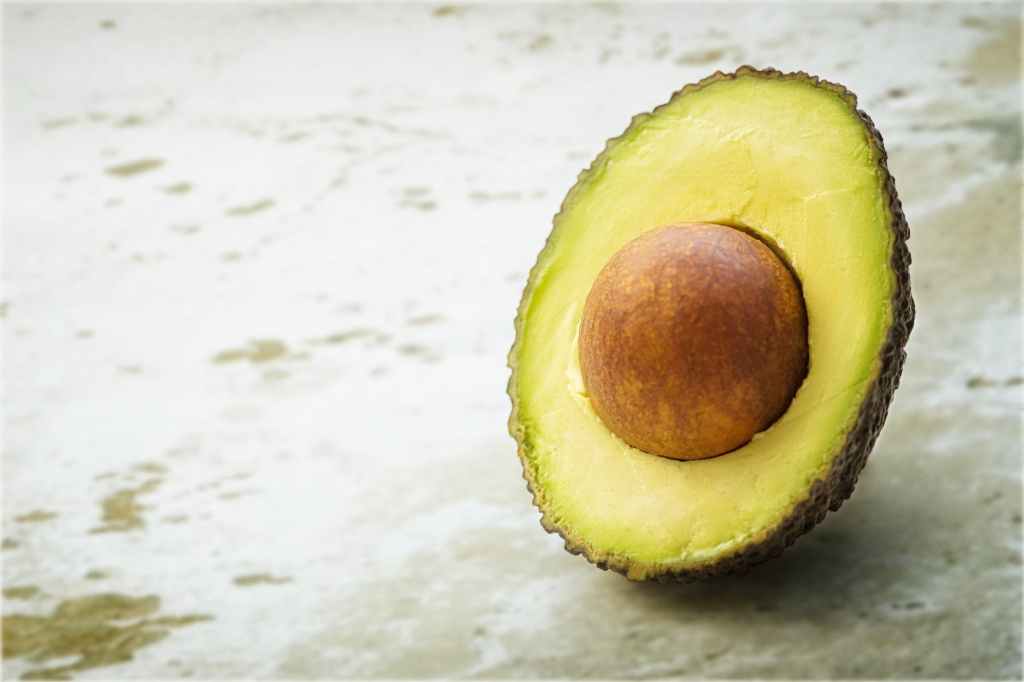
The natural ingredients we use in our products work to soften, clean, brighten, strengthen, restore and nurture your skin and hair…without the help of synthetic chemicals. Because we use natural ingredients, they carry with them many of the vitamins your skin needs to be healthy and happy. According to a medically reviewed article in Healthline, “Vitamin E is a nutrient your body needs to support your immune system and help your cells to regenerate. It also has antioxidant and anti-inflammatory properties that make getting enough essential to your everyday health.” Vitamin E can be found in many foods you eat (like avocado and mango), and it has also been shown to benefit the skin and hair via topical application. Our Rhassoul & Avocado Shampoo and Mango Citrus Shampoo bars are some of our soaps packed with vitamin E benefits.

We hope we’ve helped you gain a better understanding of pH and how it affects your skin!

Much Love,

Nora


You Should Try THIS Instead of Cutting or Coloring Your Own Hair

In the last three weeks have you:

Thought about cutting your own bangs?

Helped someone you know and love resist the temptation to cut their bangs?

Noticed your roots showing?

Felt the compulsion to dye your own hair?

Spent at least five minutes distracted by your split ends?

Looked up DIY hair dyes or haircuts on the internet?

The Problem with Coloring or Cutting Your Own Hair

Photo by Element5 Digital on Pexels.com

If you said yes to any of the following questions, you’re not the only one. Homemade hair coloring and cutting trends are currently dominating social media. I’ll even be the first to admit that I’ve already attempted to give myself a few face framing layers (thank goodness curly hair is forgiving). 

I’m sure you’ve got enough tough decisions on your plate, which is why I’ve written this blog as a guide to help you determine if you should color or cut your own hair and to offer an easy and alternative solution to damaging box dye and messy natural, DIY dye.

Photo by cottonbro on Pexels.com

Messing with your haircut or hair color is risky business, especially if you’re planning on cutting or dyeing it yourself. Cutting and dyeing your hair are long term changes that can’t always be fixed and although box dye seems like a simple solution, chemical dyes and bleach may result in extreme hair damage that can last for years.

Should you Color or Cut Your Own Hair?

Ideally you’d hightail any problem hair straight to a salon, but the unique circumstances of our world right now make this difficult so the questions you have to ask are not how to cut or color your hair, when to cut and color your hair, or where to cut or color your hair…the questions you need to ask yourself are:

What do I want to do to my hair…and why?

Yes. If you want to dye your hair fire engine red or cut off ten inches then you need to determine why

Here’s my advice: if you want to dye or cut your own hair because you are bored, restless, or stressed you should allow yourself to take a moment to reflect on the non-hair-related root of your feelings because changing your hair may not be the answer you are looking for. 

The Root of the Problem 

Photo by Andrea Piacquadio on Pexels.com

Humans are motivated by visible progress and right now that kind of progress may be more difficult to achieve. If we feel like we aren’t making progress, we turn to other areas of our lives in hopes of fulfillment. Taking our stress out on our hair is tempting because it’s right there on our heads. According to The Harvard Business Review, “Of all the things that can boost emotions, motivation, and perceptions during a workday, the single most important thing is making progress in meaningful work.”

I would not considering drastically changing my hair to be meaningful work and here’s why: 

I love my hair, but at the end of the day my hair does not take care of me, I take care of my hair.

Giving myself face framing layers or highlights with hydrogen peroxide and baking soda won’t nourish my body. A healthy scalp will.

Which is why if the changes you want to make are less about drastic change and more about keeping your hair healthy and beautiful there is something you can do.

Dyeing Your Hair Naturally

Your search to maintain your hair’s vibrancy has probably led you to a box dye alternative: coloring your hair naturally. Natural methods of hair coloring include plants with a strong, natural pigment to darken and tint hair or oxidizing properties to lighten hair.

Photo by Steve Johnson on Pexels.com

The prospect of dyeing your hair with natural ingredients may seem exciting, but I can tell you from experience that the tedious process to find and prepare a recipe is not worth the results unless you are using a natural dye like henna.

I have seen so many videos of young women with brown streaks running down their faces and necks as they try to massage coffee grounds into their scalps after simmering said coffee mixture for four hours straight only to come out with hair the exact same shade as it was before. 

Natural, DIY hair dyes are messy, confusing, and time consuming…if only it was as simple as hopping into your shower with a shampoo bar…

Well, guess what. It is!

Photo by Gratisography on Pexels.com

We’d eventually love to offer a more permanent hair dye product, which is why we’re currently looking at henna as a potential ingredient for future Shampoo Bars and possibly dyes, but until that time comes (and trust me, I’ll make sure you’ll be the first to know when that is) we’ve got some fantastic shampoo bars that may be just what your hair needs right now.

While our shampoo bars are not meant to replace hair dye treatments, we’ve crafted several of our bars with natural ingredients that are shown to boost and maintain color.

With our shampoo bars you won’t have to go out of your way by prepping your hair, keeping track of a schedule, or waiting for a leave-in to work. It’s as simple as washing your hair!

Coloring your hair requires you to start with clean hair, which means you waste time and water. Our shampoo bars are already made to clean! Safely coloring your hair requires you to not over-use bleach or chemicals, but our shampoo bars’ natural ingredients are gentle enough for daily use! Coloring your hair can take hours, but our shampoo bars can be added to your routine without taking up any extra time. 

Our Color-Friendly Shampoo Bars Prioritize the Health of Your Hair and Scalp

Dark Hair — Coffee

Photo by Chevanon Photography on Pexels.com

Coffee is a pigmented ingredient that is shown to provide a rich, deep hue in dark hair so we brewed up a Latte Brunette Shampoo Bar with organic coffee!

Blonde Hair — Lemon Essential Oil

Photo by Lena Khrupina on Pexels.com

Lemon is the perfect natural lightening agent for hair because it contains citric acid (lightener) and vitamin C (for hair strengthening) and we’ve packed our Coconut Milk and Citrus Bar full of citrus essential oils for this purpose!

Red Hair — Rose Hips

Rose Hips are those tiny, tomato like fruits you see on your rose bush. Like the flowers they produce, rose hips have a vibrant red pigment and we’ve put them in our Bella Rose Bar so you can literally shower yourself with roses (this is a personal favorite of mine.)

Photo by Stanley Morales from Pexels

Now, don’t get me wrong…if you’ve been “dyeing” to dye your hair fire engine red for the past year then I don’t want to stop you from achieving your dreams, but if the next family photo is coming up sooner than you thought then you might want to play it safe (I know I was thanking my lucky stars that I decided to wait on the DIY bangs as I took my graduation photos today).

Much Love,

Nora

The Uses and Benefits of CBD

With so many CBD producers on the market, how do you know who to trust? This is a tough question, but one that must be asked and answered. In this blog, we hope to answer this plus many other details about CBD including what it is, and what it can do for the body.

What is CBD and What Does it Do?

Photo by Andrea Piacquadio on Pexels.com

Have you been in a conversation where CBD was mentioned but weren’t sure how to contribute or react because of all the rumors you’ve heard? With so many questions floating around it can be difficult to distinguish fact from fiction.

 Is it a drug? 

Can you get high off of it?

 Is it marijuana?

CBD is a new topic increasingly gaining popularity, but it’s very misunderstood. This blog will help you gain a basic understanding of CBD and will allow you to distinguish the rumors from facts and science. By the end of this you’ll know: where it’s from, how it works, what effects it has on the body, and how to determine whether a company’s CBD products are reliable.

First of all, what is CBD and where does it come from? 

CBD stands for cannabidiol, a compound found naturally in hemp plants. Hemp plants, like marijuana, are both subspecies of the cannabis plant, but are completely different. Marijuana contains CBD and THC, typically 15-20% of THC. THC is psychoactive and gives people a “high,” and is still illegal in the United States. Whereas Hemp plants contain CBD and THC that is less than .03% (which does not get people high). This fact and the medical benefits from CBD prompted the FDA to pass the 2018 Farm Bill making it legal in the United States which gave the ability for companies to produce products with CBD in it.

What does CBD do once it’s in the body? 

Photo by Andrea Piacquadio on Pexels.com

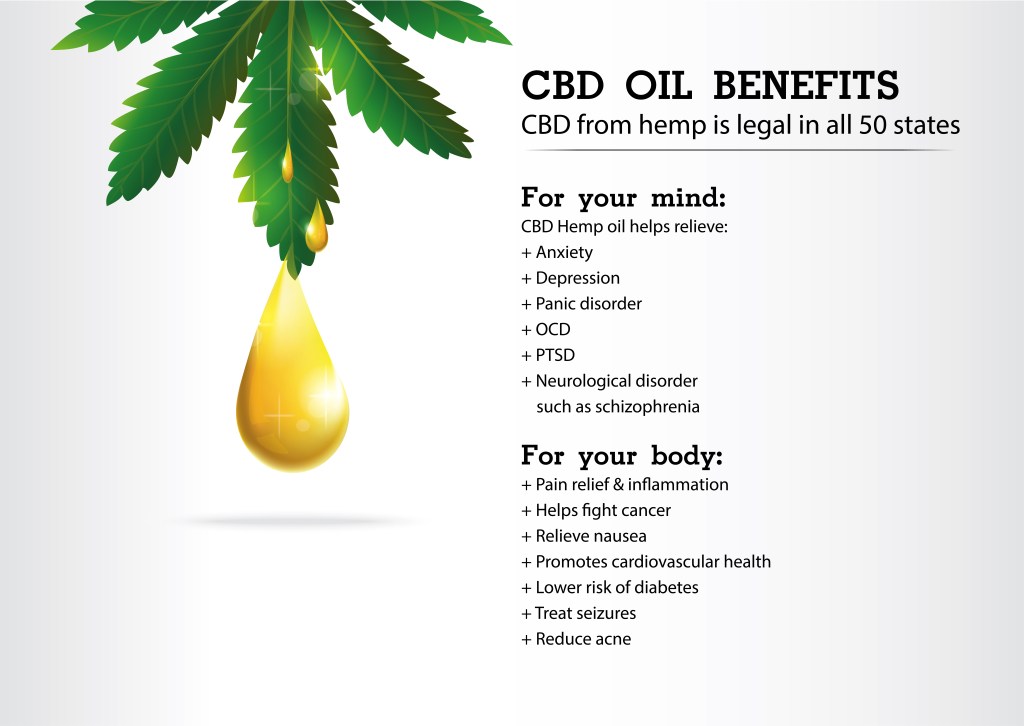
In the bloodstream, cannabinoids work with a series of receptors in your body known as the endocannabinoid system (ECS). The ECS is involved in a lot of important jobs, including regulating your anti-inflammatory response, immune system, appetite, mood, anxiety levels, sleep schedule and more. Endocannabinoids and their receptors exist throughout the body, from the brain to the connective tissue and immune cells. The cannabinoid system’s role changes depending on its location, but is always acting for one goal: homeostasis, also known as the maintenance of a stable internal environment.

What are the effects of CBD? 

There are different methods of using CBD which affect the body differently. There is CBD oil and CBD topical creams and lotions.

CBD Oil

CBD oil goes straight into the bloodstream when taken internally. Many people utilize CBD oil by placing it under the tongue because it bypasses the stomach and enters into the bloodstream more effectively. Here are some of the benefits from taking CBD Oil internally:

* Increases the concentration of cannabinoids in your body leading to a more efficient and effective endocannabinoid system.

* As a powerful antioxidant, CBD protects the body from free radicals and protects or slows cell damage.

* Supports the skin’s natural healing process.

* May help reduce anxiety.

* May help reduce inflammation.

* May help relieve pain.

* May ease the discomfort of headaches.

* May enhance relaxation.

* Has calming and therapeutic benefits.

* Could reduce anxiety and depression.

* Could benefit heart health.

Topically

Photo by Linda Prebreza on Pexels.com

The most effective way for targeting specific areas on the body for aches and pains is applying CBD topically, which can be in the form of an oil, balm or lotion. Here are some of the benefits:

* Has calming and therapeutic benefits.

* May help relieve pain.

* May ease the discomfort of headaches.

* May enhance rrelaxation.

* Treats acne due to its anti-inflammatory and anti-bacterial properties and ability to calm skin and reduce sebum production (see our Hemp Facial Oil).

* Supports the skin’s natural healing process.

* CBD is a powerful antioxidant, meaning it protects the skin from free radicals.

* CBD supports skin cell growth.

* One of the less-known benefits for skin is that it can help prevent and reduce varicose veins. This is because it has blood thinning properties, due to its high omega fatty acid content that helps prevent build up of blood on top of the valve. This build-up is what causes the veins to appear like they are bulging.

What are the side effects of CBD? 

With everything we take, there are always potential side effects, but side effects for CBD are minimal. Some of the side effects could include dry mouth, low blood sugar (if taking a huge intake of CBD), drowsiness, and reduction of Hepatic Drug Digestion.

With so many CBD producers on the market, how do you know who to trust?

Photo by Aphiwat chuangchoem on Pexels.com

Be cautious when buying CBD products from different companies because it’s essential that these products are made correctly. Always look up new companies to make sure they are reliable and provide details about their CBD products. See if they have any lab test results and more information about where the products are formulated.

2024 Update: We used to sell a line of wonderfully moisturizing and highly effective CBD products, but unfortunately we needed to discontinue due to processing costs. However, our supplier (Pure Spectrum CBD) has generously offered 15% OFF to all our customers who order directly through them. All of their products are created in a facility which rigorously evaluates every stage of the process. From soil to oil, the process is standardized and controlled to produce highly rated and effective products. Every batch is tested for potency and purity, and their website provides current third-party lab test results. Their products also use a whole-plant extract which not only includes CBD but many of the other phytocannabinoids, creating the synergistic effect of all the compounds working together. Use coupon code: APPLEVALLEYNATURAL for 15% off your order.
AVNS is now a Pure Spectrum ambassador which means we may earn a commission from qualifying purchases.

So how does the topic of CBD affect me?

CBD is a huge topic and is still being medically tested, but it has helped improve many people’s lives and is changing the medical system. Now that you have a basic understanding of what CBD is and what it can do to the body, you can assess to see if you could benefit from CBD products.


What is Fragrance?

Photo by cottonbro on Pexels.com

Scent is an extremely important and powerful sense. Not only can your sniffer pick up one trillion distinct scents, it can also smell emotion. Our ability to smell affects our wellbeing and our inability to smell is an indication that something in the body is off (recent studies show our noses may even be helpful in determining if we could be showing signs of COVID-19)! Knowing this, it is essential (oils) that we know how what we’re sniffing impacts us. After reading this you’ll be an expert on everything that goes into your stellar smeller. 

What is Fragrance?

The FDA defines Fragrance as a blend of chemicals that gives a product its distinct smell. Ingredients used can be procured from natural and synthetic materials resulting in a customized recipe that is then listed on a product simply as “Fragrance.”

What is in Fragrance?

Photo by Mareefe on Pexels.com

It depends. There are three main means through which a fragrance can be achieved. Essential Oils, Synthetic Fragrance, and Natural Fragrance. We sold some of our essential oil soaps for over four years under the impression that the pre-mixed blends we were using in a few of our bars were pure essential oil blends.  Since that time it was discovered that those blends contained pure essential oils AND a small percentage of phthalate-free fragrance oil to boost the natural scent. We had to decide whether to discontinue those bars and disappoint many of our regular customers, or to continue carrying them and give people the choices they wanted. We made the decision to carry the bars, and let our customers make their own choices in this regard.

All of our scented varieties of soap contain 2% essential oils—to add scent as well as therapeutic value—and 98% other ingredients (oils, water, clays, milks, etc.).  The few soaps that contain the uncertified blends ALSO have therapeutic grade essential oils in them. We did a lot of experimenting because we wanted to make our scents totally unique.  The fact that these soaps contain a mix of the blends in question PLUS our own essential oil additions also drives any percentage of any fragrance oil down even further (less than .5-1% of the entire batch). 

What are the different types of Fragrance?

Essential Oils

Photo by Joyce Toh on Pexels.com

Essential oils are made up of plant compounds that have been distilled and combined with a carrier oil. Essential oils are a pure and concentrated form of fragrance that are believed to possess many different health benefits when introduced to the body through inhalation and topical application. 

Three Top Essential Oils

Peppermint

In addition to its festive smell, peppermint essential oil is used for its super “cool” benefits. Our Peppermint Patchouli Pumice Body Bar is the perfect option for skin that needs rejuvenation.

Tea Tree Oil

Tea Tree oil is thought to have antibacterial and anti fungal properties and is commonly used in the treatment of acne. We recommend the Peppermint Tea Tree Shampoo Bar as the perfect solution for a scalp that needs some TLC.

Lavender

Photo by SHAHBAZ AKRAM on Pexels.com

Lavender is easily my favorite essential oil and AVNS loves it, too. When I was a little girl my mom would add a drop in the bathtub right before bed. Lavender is used to relieve stress and is a perfect natural way to aid sleep. Baths are hard to come by when you’re always pressed for time, but hopping in the shower with a bar of Lavender Silk creates the perfect ten minute stay-cation experience for otherwise busy mornings. 

Natural Fragrance 

Photo by Jill Wellington on Pexels.com

Natural fragrances are plant-based aromatics which are produced using pure essential oils and aromatic isolates derived solely from natural, raw botanical sources. All of these natural fragrances are certified to be free of synthetic ingredients. The benefit of natural fragrance differs from pure essential oils in that it is used mainly for scent quality rather than therapeutic benefit. We have started introducing a natural plant based fragrance alternative to some of our soaps which once had the essential oil & phthalate free fragrance blend. This is ONLY happening to soaps and products where finding a scent match with essential oils is not possible. Our desire would be to only use essential oils as they give benefit to the hair and skin as well as scent, but when this is not possible, we have chosen to use natural plant based fragrances.

Synthetic Fragrance

Photo by Mareefe on Pexels.com

Synthetic fragrance is a blend of lab created chemicals combined to achieve an imitation of a scent or in many cases, a totally unique scent. While synthetic fragrance may be helpful in enhancing nuances in natural scents, there are some concerns about some of the chemicals present in many synthetic fragrances, especially phthalates. Phthalates are found in cosmetics, but they are also used to soften polyvinyl chloride (PVC) plastic . Research has shown that when absorbed in the body, Phthalates may lead to issues in fertility and neurodevelopment. We make sure that any fragrance we use that is NOT an essential oil or a natural fragrance is phthalate-free.

AVNS wants you to know exactly what we put in our products, which is why we list our ingredients under each product. Our essential oils are therapeutic grade because we want you to benefit from every ingredient on our list. Whether the benefits are physical or simply sensory enjoyment, we hope our products improve your quality of life.

Much Love,

Nora


Beauty and Health Benefits of Salt for Your Skin

I challenge you to a friendly contest.

Get a pencil and set your timer for thirty seconds.

Now, on the countdown of three start your timer and write down all the uses of salt that you can think of!

Okay?

Three.

Two.

One.

Go!

Time’s up!

Hopefully you were able to think of a few things. I’ll share my list at the bottom and you can see how yours compares to mine. However, before you scroll down there to competitively evaluate who came up with more answers…I think both of us deserve a freebie (like the Free Space in BINGO) for all of our hard work.

Free Space: Salt Soap Bars

Why put salt in soap?

I know you’re probably wondering if salt is used to flavor soap like it’s used to flavor food (and let me tell you, some of the AVNS soaps do look good enough to eat!). However, that’s not the reason salt bars exist.

The salt in salt bars simultaneously serves as an exfoliant and a natural antibacterial agent. When the larger grains come into contact with your skin they remove the dead skin cells that have accumulated and allow clogged pores to breathe. 

While the AVNS Lime Spa Salt Bar is a great way to prepare for a flawless shave, our Pink Himalayan Salt Bar provides the perfect grit for combating calloused hands and feet. When new skin is exposed, the salt also cleanses it from bacteria (and if you’re ready to relive your high school biology days hang in there and I’ll explain how).

Salt as a natural antibacterial agent

The salt creates a hypertonic solution (meaning it will attract water through osmosis). Because bacteria is mostly composed of water — just like the human body — when it comes into contact with salt, the salt will leech water from the bacteria, leaving it to shrivel and die. 

I took this photo off the quaint coast of the Cinque Terre in Italy during my study abroad trip to Europe this past fall, where are your favorite oceanside travel destinations?

Keeping harmful bacteria off of your skin is important, but many artificial chemicals used in antibacterial soaps have been banned because they were not shown to have any health benefits and in some cases there has been evidence suggesting some chemicals may have dangerous effects

Antibacterial hand sanitizers often contain alcohol that strips the skin of bacteria, but because it is such a harsh substance it makes your skin dry. Salt bars are a natural solution that will fight bacteria, but will also replenish your skin and body with much needed minerals. The European Spa Salt used by Apple Valley Natural Soap is solar evaporated and comes from the pristine waters of the Mediterranean sea.

Apple Valley Natural Soap’s stunning salt bars

AVNS has a striking lineup of beautiful salt bars, I’m actually going to leave a link right here so you can just go look at all of them side by side because the gentle color palate and rich texture of the salt is soooooo aesthetically pleasing. It’s like looking at artisanal blocks of artist’s chalk…except instead of drawing on the sidewalk you get to lather your body! The dove grey Orange Anise Salt Bar is hands(washing)down the most gorgeous bar of soap I’ve ever seen and Marianne recommends pairing it with a white or black soap placemat as a modern finishing touch (just beware that this stylish touch could make people mistake your bathroom for a high-end art gallery!). The best part is — these bars aren’t just for looks! You won’t even need to scratch your head in wonder when I tell you that the glowing white Lavender Rosemary Salt Bar doesn’t just look great on a placemat, it also acts as a Shampoo Bar that relieves itchy scalps.

I guess I ended up with more than one freebie because we’ve now covered salt as: an antibacterial, an exfoliant, and a source of skin-nourishing minerals…but hey, one salt bar will cover all those things, so I guess it’s three freebies in one!

Without further ado: Nora’s 30 second Salt List

  1. Melts snow on roads and sidewalks
  2. Himalayan Salt Rock Lamp
  3. Salt Blocks for horses
  4. Flavors food
  5. Repels leeches
  6. Helps your hair curl?

Everything You Need to Know About Castile Soap

How is my love for acting related to Castile soap?

When I play a character in a show, I not only get to fill their shoes, I also trace their footsteps. 

Here I am with my fellow actor Dah in our production of I Hate Hamlet. I absolutely loved my costumes for this show…I felt like a princess!

Because of this, I’ve travelled through a number of character paths that have taken me around the world: I’ve stolen a Commedia dell’arte romp through the winding canals of Venice, floated through the dreamscape of Charles Dickens’s London, explored the historical and haunted flats that make up the New York City skyline, and washed a peasant’s laundry in (and I think you’ll see where I’m going here) Castile, Spain.

Castile? Wait, isn’t that a type of soap?

You guessed it!

The history of soap

Early soaps were made from combining animal fats and plant oils with salt or ash. This primitive soap was used for cleaning cooking utensils and medicinal purposes rather than for beauty and personal hygiene. As soap making became more refined it also became more expensive because it required both technique and coveted family recipes. Prices only dropped after production became more mainstream when chemicals were introduced to simplify the process.

What is Castile Soap?

Castile soap has been around for quite some time, but unlike the first soaps ever made it does not contain animal fat or ashes. However, a traditional Castile soap is also free from modern chemicals used in most mass-produced soaps.

So if it doesn’t have chemicals or animal byproduct, what exactly is it made of?

Olive oil.

And I’m sure you already guessed where those olives were grown.

Spain exports the world’s majority of olive oil and the production of olive oil in Spain can be traced back about 3,000 years. Although Castile soap got its name from a specific region in Spain, Castile soap can be made with olive oil from anywhere…which has its disadvantages.

The benefits of olive oil in Castile soap

Because Castile soap is generally defined as soap made with olive oil, many companies can get away with using small quantities of low grade olive oil while still labeling the soap as “Castile Soap” This soap will not have the same benefits as a soap composed of high quality olive oil.

Now, the advantage of using olive oil from outside of Castile is that it allows us to pick from the best. In keeping with the origins of the first Castile soaps, our organic virgin olive oil is sourced mainly from the Mediterranean region. Our true Castile soaps provide a gentle cleanse and act as a nourishing moisturizer. Our virgin olive oil is chemical free and retains its vitamin content, the reason behind olive oil’s health benefits (especially vitamin E). Vitamin E protects skin from the damage of free radicals and can help alleviate symptoms of eczema.

We choose to go organic with our virgin olive oil and many of our other products to promote the protection of the earth and water from harmful pesticides and we want our Castile soap to do the same for your skin. Our Calendula Castile Bar is the perfect soothing solution for sensitive skin (babies would highly recommend it…if they could talk). Our Lavender Castile Bar will create a calming, creamy lather…perfect for shaving! I know I’ve got the Lavender Orange Castile Bar on my wish-list and I’ve got an audition for Antigone tomorrow so I’m ready to get into character (Greece likes its olive oil too!)

Wish me Luck!

Nora